-
04-06 2026
How To Evaluate Repeatability And Consistency When Purchasing Hardness Testing Equipment
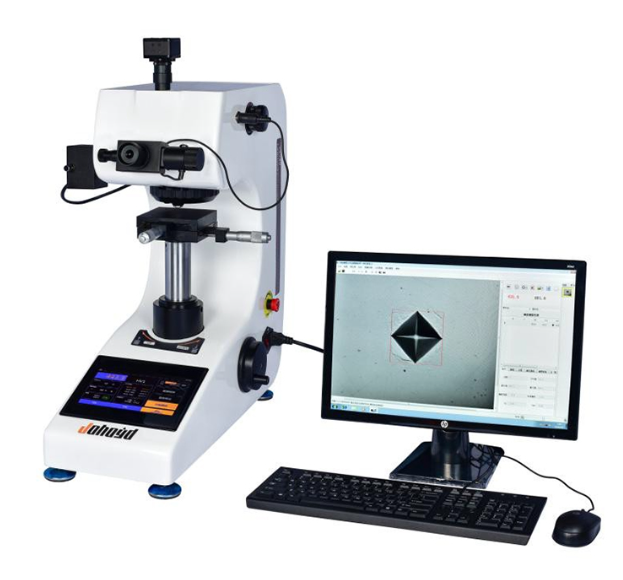
When evaluating hardness testing equipment, repeatability and consistency should be treated as core purchasing criteria, not secondary technical details. Buyers should verify performance on representative samples, identify sources of result variation, compare operator dependence, and confirm calibration and service support for long-term use. In real industrial procurement, a reliable hardness tester is not simply the one that can generate a hardness value. It is the one that can generate the right value again and again, under real working conditions, with confidence that the data will stand up in quality control and customer review.
-
04-05 2026
Why Sample Preparation Capability Matters More Than Just The Microscope In Metallographic Equipment Procurement
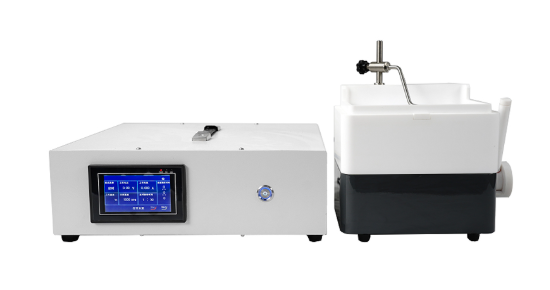
in metallographic equipment procurement, sample preparation capability matters more than just the microscope because preparation quality determines whether the real structure can be revealed, whether results can be repeated, and whether the laboratory can work efficiently in daily practice. A microscope is essential, but it only shows what the specimen allows it to show. For serious buyers, the smarter decision is to choose a complete metallographic solution with strong cutting, mounting, grinding, polishing, consumable support, and application guidance. That is what turns metallography from a beautiful demonstration into a reliable quality-control tool.
-
04-04 2026
How To Match Probes, Standards, And Application Scenarios When Purchasing Surface Roughness Measuring Equipment
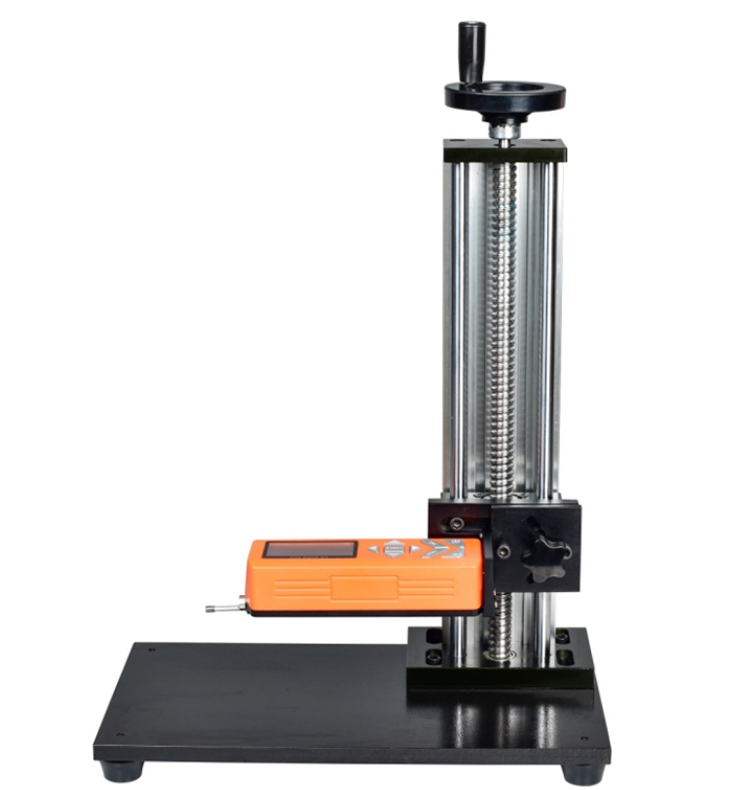
When purchasing surface roughness measuring equipment, probe selection, standard compatibility, and application scenario should always be evaluated together. A suitable probe ensures physical access and stable readings, the right standard ensures meaningful and acceptable data, and the correct application match ensures that the instrument works efficiently in real production or laboratory conditions. For professional buyers, the goal is not simply to buy a tester that can measure roughness, but to choose a complete measuring solution that delivers reliable data, smoother operation, and lower long-term risk.
-
04-03 2026
Why Buyers Focus More On Long-Term Cost Than Unit Price When Purchasing Inspection Equipment In Bulk
When buying inspection equipment in bulk, experienced buyers focus more on long-term cost than on unit price because they understand how quickly hidden expenses can grow after delivery. Stability, calibration, maintenance, service support, standardization, and operational risk all influence the real value of the purchase. A cheaper instrument may lower the initial quotation, but a better-supported and more reliable system often delivers far better results over time. In professional procurement, the smartest decision is rarely the lowest price on paper. It is the solution that protects quality, reduces total ownership cost, and keeps the buyer’s operation running with fewer surprises.
-
04-02 2026
How To Judge Whether Measuring Instruments Can Meet The Standards And Certification Requirements Of Export Projects
To judge whether a measuring instrument can meet the standards and certification requirements of an export project, buyers need to verify three things clearly: what standards actually apply, what evidence the supplier can provide, and whether the supplier can support the project professionally from approval to delivery. A measuring instrument that looks technically qualified is not always project-qualified. The real goal is to choose equipment that fits the destination market, satisfies customer expectations, and can be supported with complete, traceable, and professional documentation. In export procurement, that is what turns a quotation into a truly reliable project solution.
-
04-01 2026
Why Calibration Matters In Industrial Measuring Equipment Procurement
Calibration matters in industrial measuring equipment procurement because it directly influences accuracy, traceability, audit readiness, and long-term ownership cost. It protects daily measurement decisions, strengthens customer confidence, and reduces the risk of costly quality mistakes. For serious buyers, calibration should not be treated as an optional add-on. It should be treated as a core factor in supplier evaluation and equipment selection. In modern industrial sourcing, the value of a measuring instrument is not only in what it can measure, but in how confidently its results can be trusted over time.