


How To Judge Whether Measuring Instruments Can Meet The Standards And Certification Requirements Of Export Projects
In export projects, measuring instruments are not only used for internal inspection. They are often part of a wider quality system that supports customer approval, third-party audits, compliance checks, shipment acceptance, and long-term supply cooperation. That is why international buyers cannot evaluate a measuring instrument only by function, price, or basic accuracy. The more important question is whether the instrument can satisfy the standards, certification expectations, and documentation requirements of the target market and end-use industry. If this point is not confirmed before purchase, buyers may face project delays, failed audits, rejected reports, or costly replacement after delivery.
For professional buyers, this is not a purely technical issue. It is a procurement risk control issue. A measuring instrument may work well in the supplier’s factory, but if its calibration basis, supported standards, certificates, labels, software language, or technical documents do not match the export project requirements, it may still be unsuitable for the real project. Therefore, before making a purchasing decision, buyers need a structured way to verify whether the instrument fits the compliance expectations of the destination market.
Confirm The Applicable Standards And Industry Requirements First
The first step is to identify exactly which standards and compliance rules apply to the export project. Many buyers make the mistake of asking a supplier only whether the instrument is “certified,” but that question is too broad. Different markets and industries expect different things. A measuring instrument used in general industrial inspection may need one set of requirements, while a device used in automotive, aerospace, medical manufacturing, electronics, or laboratory environments may need much stricter standards, traceability, and documentation. Before comparing suppliers, buyers should define the destination country, end-use sector, customer audit expectations, and any industry-specific testing or reporting rules.
Buyers should also distinguish between product performance standards and market-access or compliance requirements. For example, one question is whether the instrument measures according to recognized technical standards such as ISO, DIN, JIS, ASTM, or other relevant methods. Another question is whether the equipment itself meets destination-market expectations for electrical safety, labeling, user documentation, calibration traceability, or conformity declarations. These are related, but they are not the same. A measuring instrument may perform technically well, but still fail to meet export project requirements if the supporting documentation or compliance basis is incomplete.
A strong purchasing process should therefore begin with a standards checklist. Buyers should clearly list the required measurement standards, calibration expectations, certificate types, language requirements, report formats, and any customer-specific approval conditions. Once these are defined, supplier evaluation becomes much more accurate and much less dependent on vague sales promises.

Check Certificates, Calibration Basis, And Technical Documentation In Detail
After defining the required standards, the second step is to verify the supplier’s evidence. Buyers should not rely only on a statement such as “we have CE” or “we can provide certificates.” They should ask what documents are actually available and whether those documents are relevant to the project. Important items may include calibration certificates, certificate of conformity, user manual, test reports, electrical specifications, traceability records, labeling samples, software screenshots, and installation or maintenance instructions. In export projects, documentation quality often matters almost as much as the instrument itself.
Calibration should be checked especially carefully. Buyers should ask whether the instrument can be calibrated against recognized references, whether the certificate shows traceability, what the calibration interval is, and whether re-calibration support is available after export. In many projects, customers do not only want a measuring instrument that works. They want a measuring system that can produce defensible data during production, inspection, and audit. If calibration support is weak, the instrument may create compliance risk later even if it passes initial acceptance.
Technical documents should also be reviewed from the project-user perspective. Is the manual professional and complete? Are the operating interface and report outputs suitable for the target market language or customer expectations? Are model labels, electrical information, and safety markings clear enough for export use? These details may seem secondary during quotation comparison, but in real export projects they often determine whether the equipment can be approved smoothly by customers, auditors, or local installation teams.

Evaluate The Supplier's Project Support Ability, Not Just The Instrument Itself
The third step is to judge whether the supplier can support the instrument throughout the export project lifecycle. Even if the product seems compliant on paper, buyers still need to know whether the supplier understands project-based requirements and can respond professionally when additional documents or clarifications are needed. A capable supplier should be able to explain which standards the instrument follows, which certificates are available, what limitations exist, and what can be customized for the project. This kind of transparency is often a better sign of reliability than simply claiming that the product can meet “all requirements.”
Buyers should also examine how the supplier handles exceptions. Can they provide revised documents quickly if the customer requests a different format? Can they support pre-shipment document review, label confirmation, or project-specific reporting? Can they coordinate between sales, engineering, and quality teams when technical approval is delayed? In export business, approval delays often happen not because the equipment is poor, but because the supplier cannot respond fast enough with the right compliance evidence.
Finally, the best way to reduce risk is to request proof based on the real project scenario. Buyers can ask for sample certificates, manual pages, calibration records, label photos, software screenshots, or previous case references in similar markets. The more closely the verification matches the actual project, the more reliable the judgment will be. In professional procurement, export compliance is not assumed. It is verified.
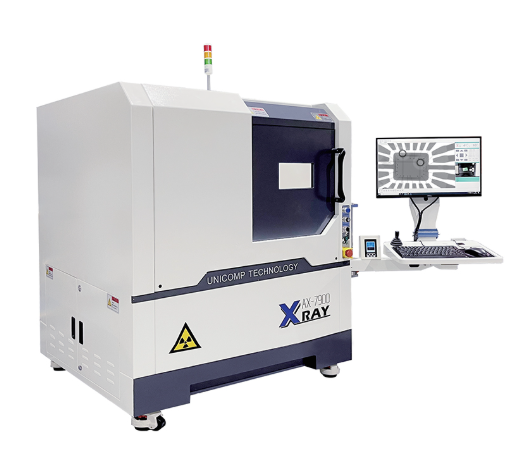
To judge whether a measuring instrument can meet the standards and certification requirements of an export project, buyers need to verify three things clearly: what standards actually apply, what evidence the supplier can provide, and whether the supplier can support the project professionally from approval to delivery. A measuring instrument that looks technically qualified is not always project-qualified. The real goal is to choose equipment that fits the destination market, satisfies customer expectations, and can be supported with complete, traceable, and professional documentation. In export procurement, that is what turns a quotation into a truly reliable project solution.