-
04-12 2026
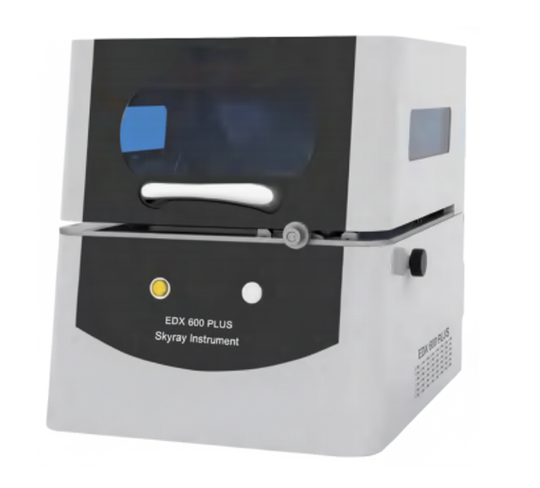
RoHS Testing for Complex Products: How to Deal with Coatings, Alloys, and Multi-Material Assemblies
Ensuring RoHS compliance for complex products demands moving beyond simple surface scans. It requires a sophisticated, multi-stage methodology: deconstructing products into their fundamental homogeneous materials, employing the right analytical tool (XRF for screening, ICP for verification) for each challenge, and interpreting data with a deep understanding of materials science and regulations. This rigorous approach, supported by expert partners like Skyline International, is the only way to achieve true supply chain confidence, mitigate legal and financial risks, and uphold your brand's commitment to environmental compliance and product safety.
-
04-11 2026
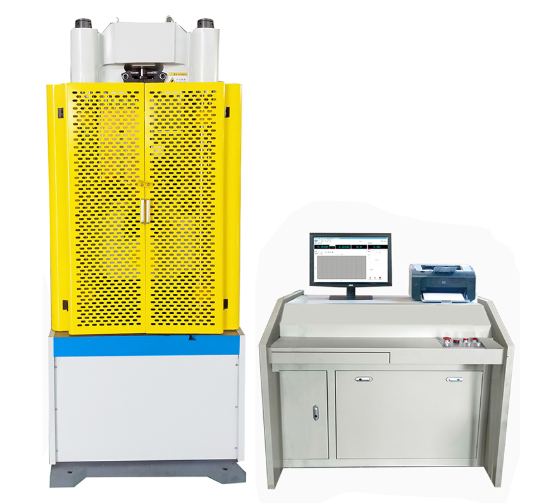
Upgrading Your UTM: Adding Advanced Features like Video Extensometry or High-Temperature Furnaces
Upgrading your UTM with advanced features like Video Extensometry or a High-Temperature Furnace is a strategic investment that transforms a standard testing machine into a sophisticated research and validation powerhouse. It expands your lab’s capabilities into non-contact strain analysis and extreme environment simulation, addressing complex R&D and quality control challenges. The key to success lies in choosing high-performance, compatible modules and partnering with a knowledgeable supplier who offers integrated solutions and robust local support. This approach future-proofs your testing capabilities, drives material innovation, and delivers a superior return on investment by extracting profoundly deeper insights from every test.
-
04-10 2026
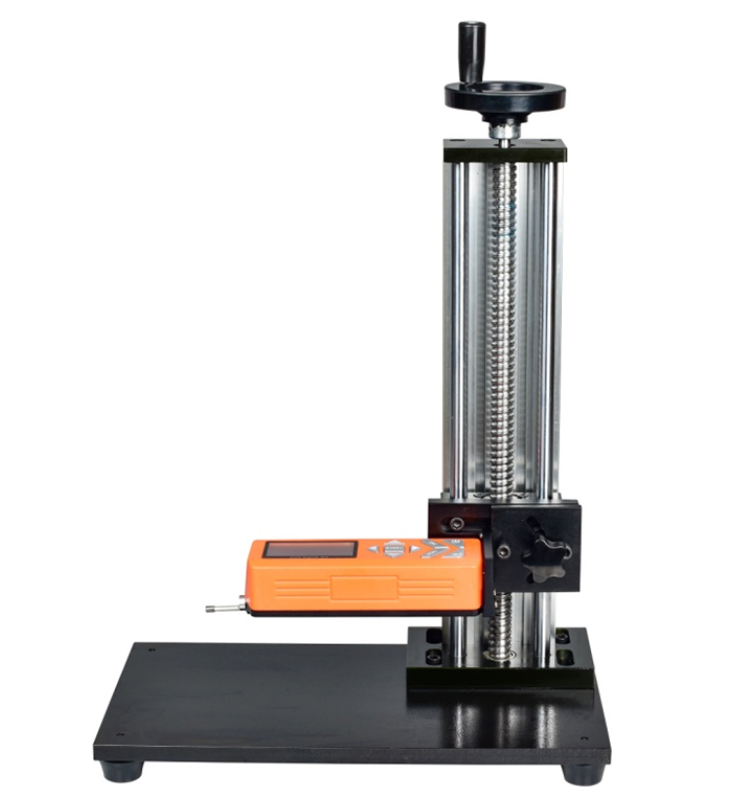
Key Technical Points Buyers Must Confirm Before Purchasing a Surface Roughness Tester
Before purchasing a surface roughness tester, buyers should confirm far more than basic specifications. The real decision should be based on parameter compatibility, workpiece fit, probe accessibility, measurement stability, calibration traceability, and service readiness. When these technical points are clearly verified in advance, buyers can reduce inspection risk, improve internal quality control, and avoid costly mismatches after delivery. In international procurement, the most valuable instrument is not simply the one that can measure surface roughness, but the one that can measure the right surface, in the right way, with stable results over time.
-
04-09 2026
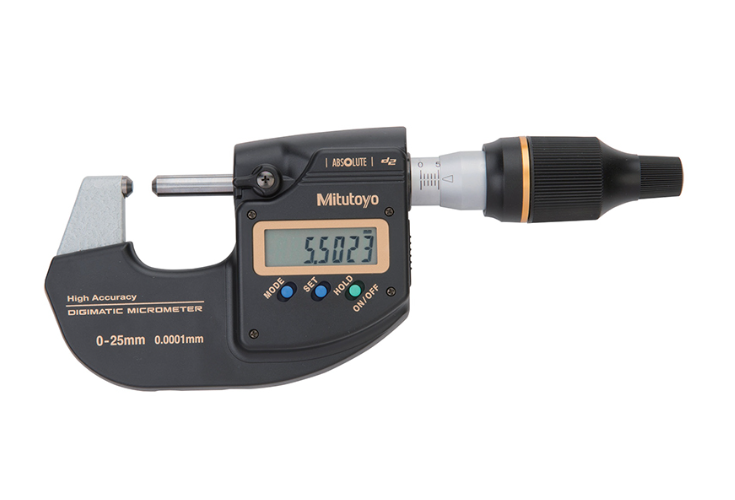
Why More International Buyers Are Paying Attention to Calibration and Traceability in Measuring Equipment
More international buyers are paying attention to calibration and traceability because measurement data now plays a bigger role in product approval, customer trust, audit response, and cost control. In modern procurement, measuring equipment is not judged only by what it can measure, but by how dependable that measurement is over time. Buyers want results they can trust, records they can verify, and systems that support long-term quality stability. That is why calibration and traceability are becoming key decision factors rather than secondary technical details.
-
04-08 2026
How To Compare The Real Overall Strength Of A Measuring Instrument Supplier Beyond Price
Beyond price, the real strength of a measuring instrument supplier lies in technical understanding, product matching, quality control, calibration support, delivery reliability, and long-term service capability. These factors directly affect measurement accuracy, quality stability, audit readiness, and the true cost of ownership. For professional buyers, supplier evaluation is not just about finding a cheaper offer. It is about choosing a partner that can reduce risk, support consistent results, and create more value across the full procurement cycle. In the long run, that is what separates a low-cost purchase from a smart purchasing decision.
-
04-07 2026
How To Evaluate Whether An Inspection Equipment Supplier’s Lead Time Is Real And Reliable
To evaluate whether an inspection equipment supplier’s lead time is real and reliable, buyers should go beyond the quotation and examine the logic behind the schedule. The most important factors include production planning, component control, communication consistency, past delivery performance, final testing readiness, and export coordination. A trustworthy supplier is not simply the one who offers the shortest lead time, but the one who can explain it, support it, and deliver it with fewer surprises. In international procurement, reliable lead time is a sign of operational maturity, and that maturity often matters more than a low price or a fast promise.