


How To Compare The Real Overall Strength Of A Measuring Instrument Supplier Beyond Price
When sourcing measuring instruments, many buyers begin with price because it is the easiest number to compare. However, experienced international buyers know that the cheapest offer is not always the lowest-risk choice. In real procurement, the performance of the supplier often matters more than the initial quotation. A measuring instrument may look competitive on paper, but if the supplier cannot support calibration, maintain quality consistency, respond quickly to technical questions, or deliver stable service after shipment, the real cost of that purchase can become much higher over time. That is why professional buyers compare suppliers not only by product price, but by their overall capability to support long-term quality control, repeat orders, and global business cooperation.
For measuring instruments, supplier strength is especially important because these products are directly connected to inspection accuracy, audit readiness, customer trust, and production decisions. Buyers are not simply purchasing a device. They are choosing a partner whose products and services will influence daily measurement results and the credibility of those results. A strong supplier helps reduce hidden risk, while a weak supplier often creates delays, disputes, and unnecessary internal workload. So, beyond price, what should buyers really compare when evaluating a measuring instrument supplier?
Technical Capability And Product Fit
The first thing buyers should compare is whether the supplier truly understands the application, not just the catalog. A strong measuring instrument supplier should be able to explain which model is suitable for which material, surface, tolerance range, testing environment, or inspection workflow. They should be able to discuss parameters, standards, calibration requirements, and operating limitations in a clear and practical way. If a supplier only repeats generic specifications without understanding the buyer’s actual workpiece or production process, that is a warning sign. In many cases, the right recommendation matters more than the lowest quotation, because a poorly matched instrument creates long-term measurement risk even if the price looks attractive.
Buyers should also look at application experience. Has the supplier worked with customers in machining, automotive parts, metal processing, laboratories, or export manufacturing? Can they provide sample testing, case references, or practical advice about measurement challenges? A supplier with real industry experience can usually identify potential problems before the order is placed, such as probe access issues, parameter mismatch, or reporting format limitations. This kind of pre-sales technical support is one of the clearest signs of real capability, because it shows the supplier is helping the buyer reduce risk rather than simply pushing a sale.
Quality System, Calibration, And Consistency
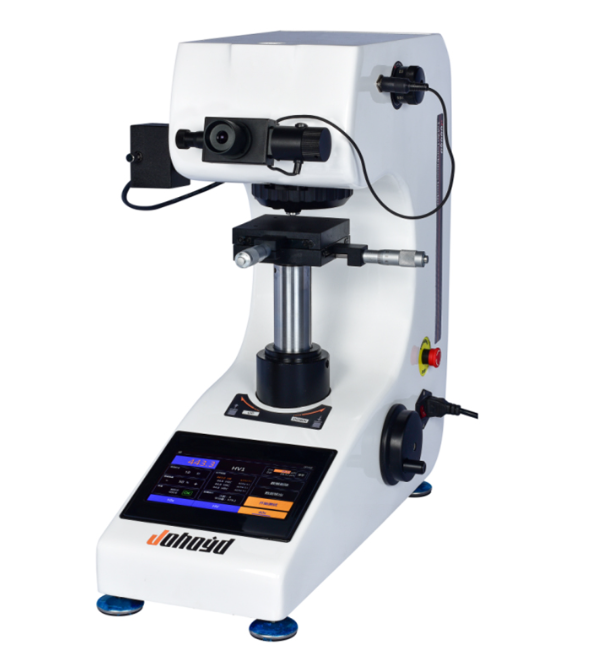
The second key comparison point is the supplier’s quality system. For measuring instruments, buyers should ask more than whether the product “works.” They should ask whether the supplier can provide stable quality across batches, clear calibration support, traceable records, and consistent documentation. Instruments used in inspection and quality control must produce dependable results, so the supplier behind them should have controlled production, incoming inspection, final verification, and documentation procedures. A low price has little value if the buyer later finds that the instrument performs differently from batch to batch or lacks reliable calibration support.
Calibration capability is especially important in international procurement. Buyers should compare whether the supplier can provide calibration certificates, reference standards, re-calibration support, and guidance on maintaining instrument accuracy over time. They should also check whether manuals, reports, labels, and certificates are clear and professional enough for customer audits or internal quality systems. In many industries, the supplier’s ability to support traceability and long-term measurement reliability is a much stronger indicator of value than price alone.
Delivery Reliability, Service Response, And Long-Term Cooperation Value
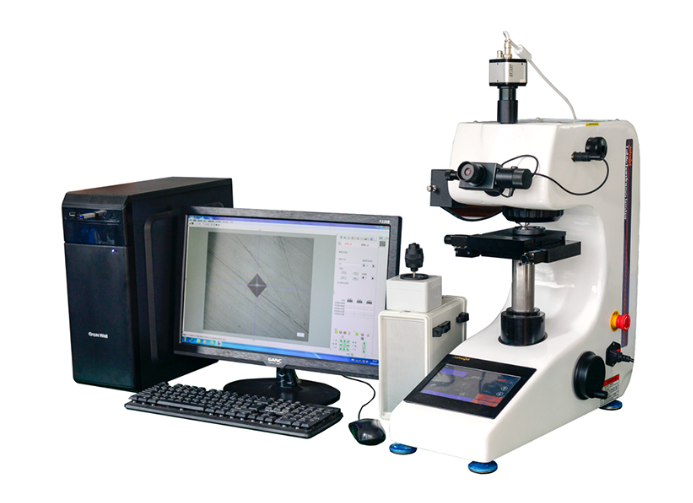
The third factor buyers should compare is whether the supplier is easy and reliable to work with over time. This includes quotation clarity, communication speed, lead time honesty, spare parts support, training, troubleshooting, and after-sales response. A measuring instrument supplier may offer a good price, but if delivery dates keep moving, technical questions go unanswered, or service becomes slow after payment, that low price quickly loses its advantage. In global sourcing, a reliable supplier is one that makes business easier, not one that creates uncertainty after the order is confirmed.
Experienced buyers also compare long-term cooperation value. Can the supplier support repeat orders with the same quality level? Can they adapt to new projects, custom requirements, or changing market needs? Are they professional in documentation, export coordination, and communication with overseas teams? The best measuring instrument suppliers are not always the cheapest. They are the ones who help buyers reduce ownership cost, improve quality confidence, and build a smoother supply relationship over time. When buyers compare suppliers from this broader perspective, they are more likely to choose a partner that supports growth instead of just winning one order on price.
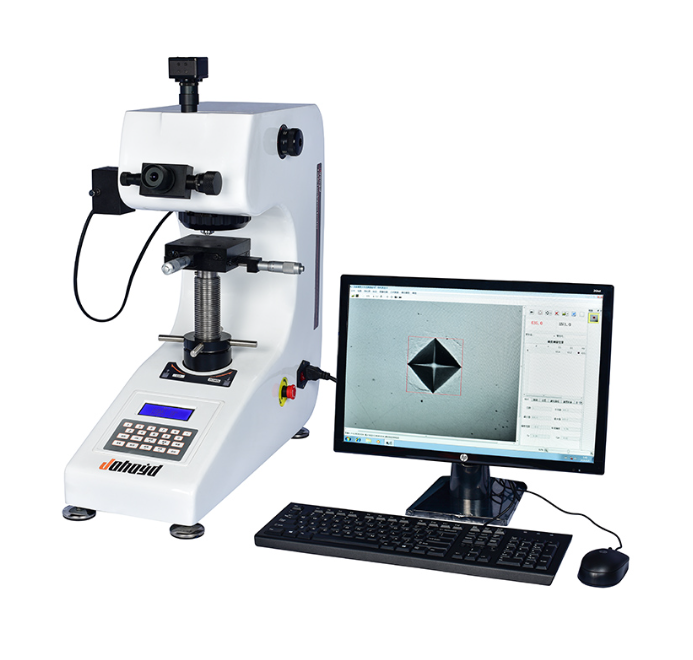
Beyond price, the real strength of a measuring instrument supplier lies in technical understanding, product matching, quality control, calibration support, delivery reliability, and long-term service capability. These factors directly affect measurement accuracy, quality stability, audit readiness, and the true cost of ownership. For professional buyers, supplier evaluation is not just about finding a cheaper offer. It is about choosing a partner that can reduce risk, support consistent results, and create more value across the full procurement cycle. In the long run, that is what separates a low-cost purchase from a smart purchasing decision.