


RoHS Testing for Complex Products: How to Deal with Coatings, Alloys, and Multi-Material Assemblies
The Layer-by-Layer Challenge: Testing Coatings, Platings, and Inks
Many products rely on surface treatments for aesthetics, durability, or function, yet these coatings are hotspots for restricted substances like lead, cadmium, and hexavalent chromium. A simple handheld XRF scan of the surface provides only a composite reading, blending signals from the coating and the underlying substrate, which can mask compliance issues or create false positives. The compliant approach is to conduct a material separation analysis. This involves carefully scraping or dissolving the coating for dedicated testing, often using wet chemistry methods like ICP-OES to accurately quantify hazardous element concentrations. For multilayer coatings or small components, micro-spot XRF analyzers with fine collimators can target specific layers, but expert interpretation of the spectral data is crucial. This layer-specific strategy is essential for electronics with conformal coatings, painted automotive parts, and plated fasteners. Without it, you risk non-compliance due to a tainted coating or incur unnecessary costs by failing a product with a safe coating on a non-compliant base material.

The Homogeneity Hurdle: Analyzing Alloys and Composite Materials
Alloys present a unique challenge because restricted elements are often intentionally added to achieve specific material properties (e.g., lead in brass, cadmium in certain solders). The critical question is not just ifthe element is present, but at what concentrationand in what form. A handheld XRF is an excellent tool for alloy screening and identification, but its reading is an average of the small spot analyzed. If the alloy is not homogeneous, the reading may not be representative. Proper analysis requires taking multiple readings at different points, and for certification, often grinding the sample into a homogeneous powder for laboratory-grade analysis via ICP. For complex composites (e.g., plastic with metal fibers, circuit boards), the approach involves mechanical disassembly and separation of the different material families. Each homogenous material group must then be tested individually to the RoHS thresholds. This rigorous process is the only way to guarantee a truly accurate compliance status for complex material systems.
The Assembly Puzzle: Strategic Sampling of Multi-Material Products
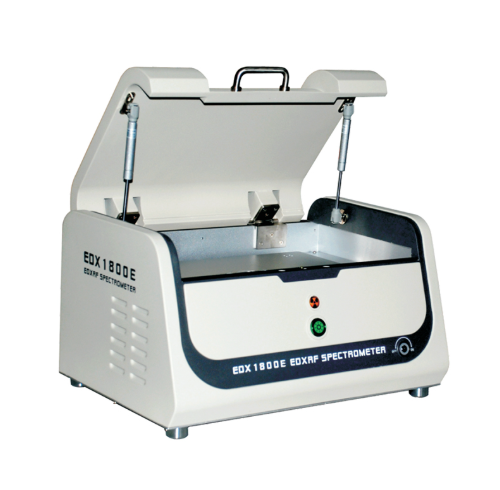
Products like smartphones, appliances, or automotive modules are puzzles of plastics, metals, PCBs, and elastomers. Testing every single component is economically unfeasible. The solution lies in a risk-based, strategic sampling and testing plan. This starts with a Bill of Materials (BOM) review to identify high-risk materials and components based on supplier declarations, historical data, and material knowledge. The principle of "homogeneous material"—the smallest unit that cannot be mechanically disjointed—is your guide. For example, you test the plastic housing itself, not the entire molded assembly with metal inserts. X-ray fluorescence (XRF) screening is invaluable for rapid, non-destructive sorting and identifying hotspots on assembled products. Suspect materials or components identified by XRF are then subjected to definitive lab testing. This two-step process—screening followed by verification—optimizes costs and time while providing auditable, defensible compliance data for the entire product assembly.
Ensuring RoHS compliance for complex products demands moving beyond simple surface scans. It requires a sophisticated, multi-stage methodology: deconstructing products into their fundamental homogeneous materials, employing the right analytical tool (XRF for screening, ICP for verification) for each challenge, and interpreting data with a deep understanding of materials science and regulations. This rigorous approach, supported by expert partners like Skyline International, is the only way to achieve true supply chain confidence, mitigate legal and financial risks, and uphold your brand's commitment to environmental compliance and product safety.