


Upgrading Your UTM: Adding Advanced Features like Video Extensometry or High-Temperature Furnaces
Beyond Basic Measurements: Integrating Video Extensometry for Precision
When a standard contact extensometer reaches its limits, Video Extensometry (Video Ext) emerges as a revolutionary upgrade for your Universal Testing Machine (UTM). This non-contact optical system tracks the deformation of a specimen by following high-contrast marks or natural patterns, eliminating physical contact that can influence delicate materials like thin films, foils, or highly elastic polymers. The key advantage lies in measuring strain over a specific gauge length and across the entire field of view, providing full-field strain maps that reveal localized necking, shear bands, or inhomogeneous deformation invisible to traditional methods. For R&D focused on composites, biomaterials, or advanced alloys, this data is invaluable. Integrating Video Ext with your UTM’s software creates a seamless workflow, synchronizing stress and strain data for comprehensive analysis of true stress-strain curves, Poisson's ratio, and precise modulus calculations. It transforms your tester from a force-displacement recorder into a full-field material behavior analysis system, delivering insights critical for innovation and validating simulation models.
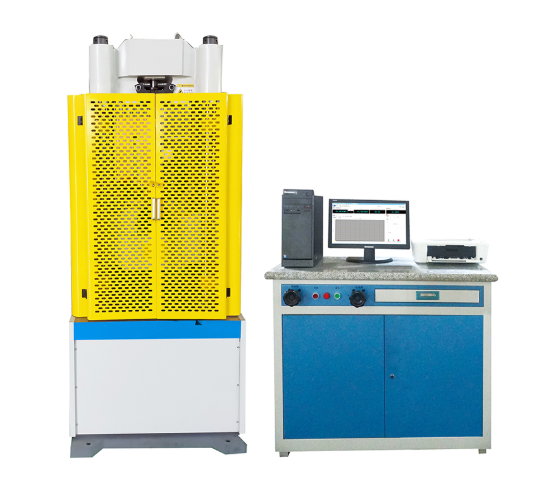
Simulating Extreme Environments: The Power of High-Temperature Furnaces
Material performance at room temperature only tells part of the story. To understand how components behave in real-world applications—such as turbine blades, engine parts, or electronics in operation—integrating a High-Temperature Furnace with your UTM is essential. This upgrade encloses the specimen in a precisely controlled heating chamber, allowing tensile, compression, or creep tests to be conducted at temperatures often exceeding 1000°C. The furnace must ensure exceptional temperature uniformity and stability around the specimen grips to guarantee that failures occur in the gauge section, not at the grip interface. This capability is critical for industries like aerospace, automotive, and energy, where materials are pushed to their thermal limits. It enables the characterization of properties like high-temperature tensile strength, creep resistance, and stress relaxation. When sourcing this upgrade, prioritize systems with precise temperature control, compatibility with your existing UTM frame and controller, and robust safety interlocks. This transforms your lab into a center for simulating and validating material performance under the most demanding thermal conditions.
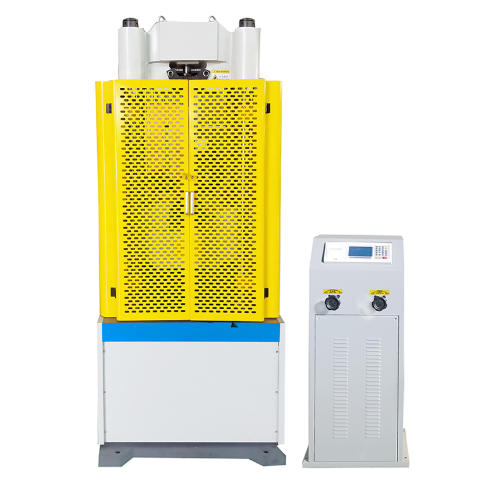
Ensuring a Successful Upgrade: Key Integration and Supplier Considerations
An upgrade is more than just purchasing an accessory; it’s a system integration project. Successful implementation hinges on seamless compatibility between the new module (Video Ext or Furnace), your UTM’s controller, and its software. The ideal solution offers a unified software platform where temperature profiles, test protocols, and data acquisition are synchronized and controlled from a single interface, eliminating the need for separate, disconnected systems. This ensures data integrity, simplifies operator training, and streamlines reporting. Equally critical is the supplier’s expertise. Choose a partner like Skyline International, who provides not just hardware, but comprehensive application support, method development, and on-site calibration services. They should ensure the upgrade complies with relevant standards (e.g., ASTM, ISO) and that their technical team can support the integration from start to finish. Consider future needs: does the system allow for further upgrades? A strategic partner ensures your investment is future-proof, maximizing the longevity and ROI of your UTM.
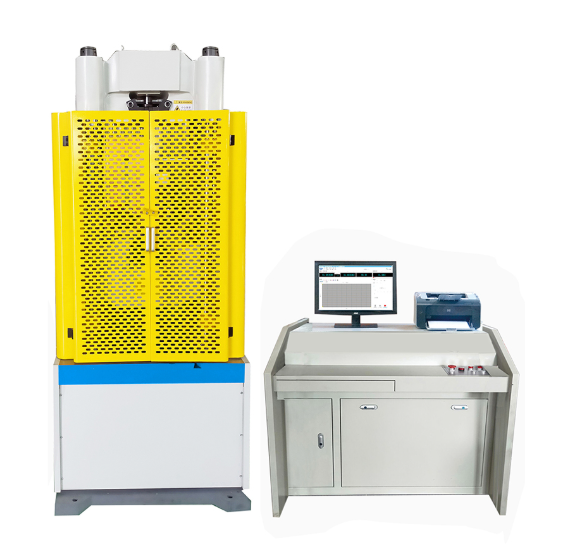
Upgrading your UTM with advanced features like Video Extensometry or a High-Temperature Furnace is a strategic investment that transforms a standard testing machine into a sophisticated research and validation powerhouse. It expands your lab’s capabilities into non-contact strain analysis and extreme environment simulation, addressing complex R&D and quality control challenges. The key to success lies in choosing high-performance, compatible modules and partnering with a knowledgeable supplier who offers integrated solutions and robust local support. This approach future-proofs your testing capabilities, drives material innovation, and delivers a superior return on investment by extracting profoundly deeper insights from every test.