-
02-18 2026
Principles and Advantages of Ultrasonic Welding for Plastics and Metals
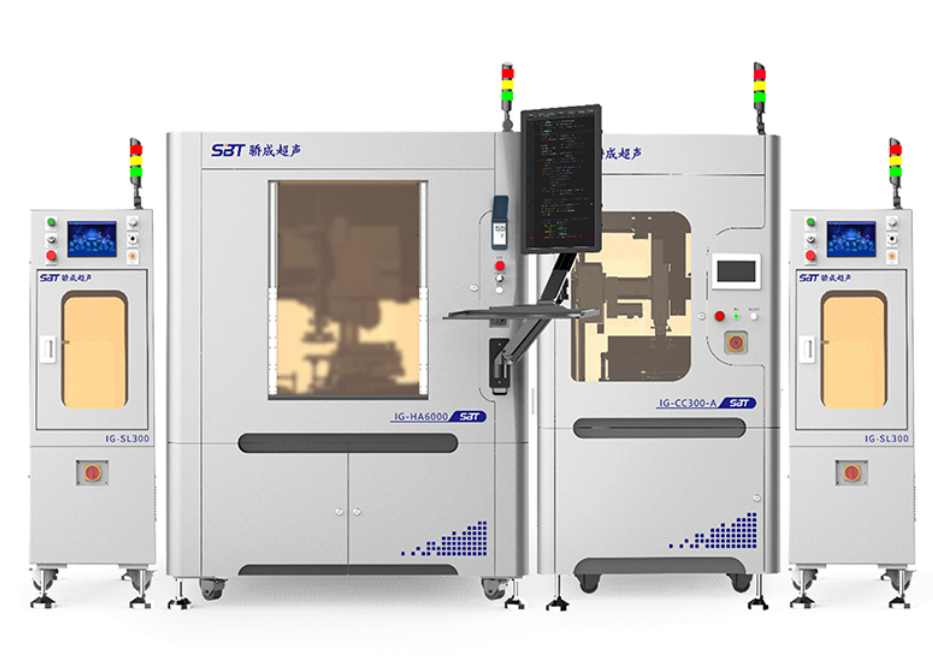
Ultrasonic welding stands as a cornerstone of advanced manufacturing, transforming high-frequency sound into precise, reliable, and efficient bonds. Its principle of localized frictional heating enables strong, clean joints without bulk melting or external consumables. The resultant advantages—unmatched speed, energy economy, automation readiness, and joint integrity—solve critical production challenges. Combined with its exceptional versatility across plastics and metals, ultrasonic welding is not merely a joining method but a strategic enabler for innovation in industries ranging from automotive and electronics to medical devices and clean energy, ensuring products are built faster, better, and more reliably.
-
02-17 2026
How C-SAM Scanning Acoustic Microscopy Detects Hidden Defects in Semiconductor Packages
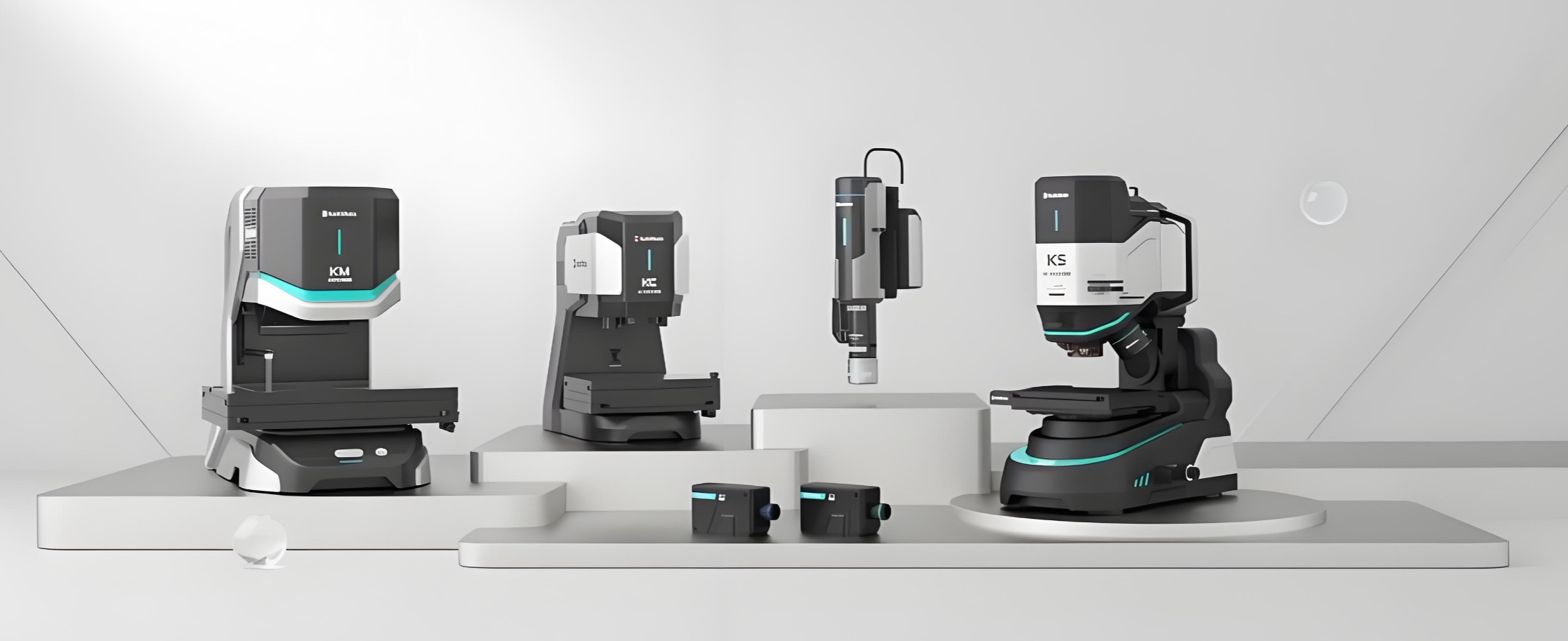
In the era of advanced, miniaturized, and high-reliability semiconductor packages, C-SAM is not merely an inspection tool but a vital insurance policy. It provides the unique ability to detect hidden, latent defects that threaten device integrity long before electrical failure occurs. By enabling non-destructive visualization of internal interfaces, C-SAM empowers manufacturers to improve process yields, validate package designs, ensure long-term reliability, and conduct precise failure analysis. For any company committed to delivering robust semiconductor solutions, integrating C-SAM into their quality and analysis workflow is an essential strategy for mitigating risk and building market trust.
-
02-16 2026
Applications of Universal Testing Machines in Polymer and Plastic Testing
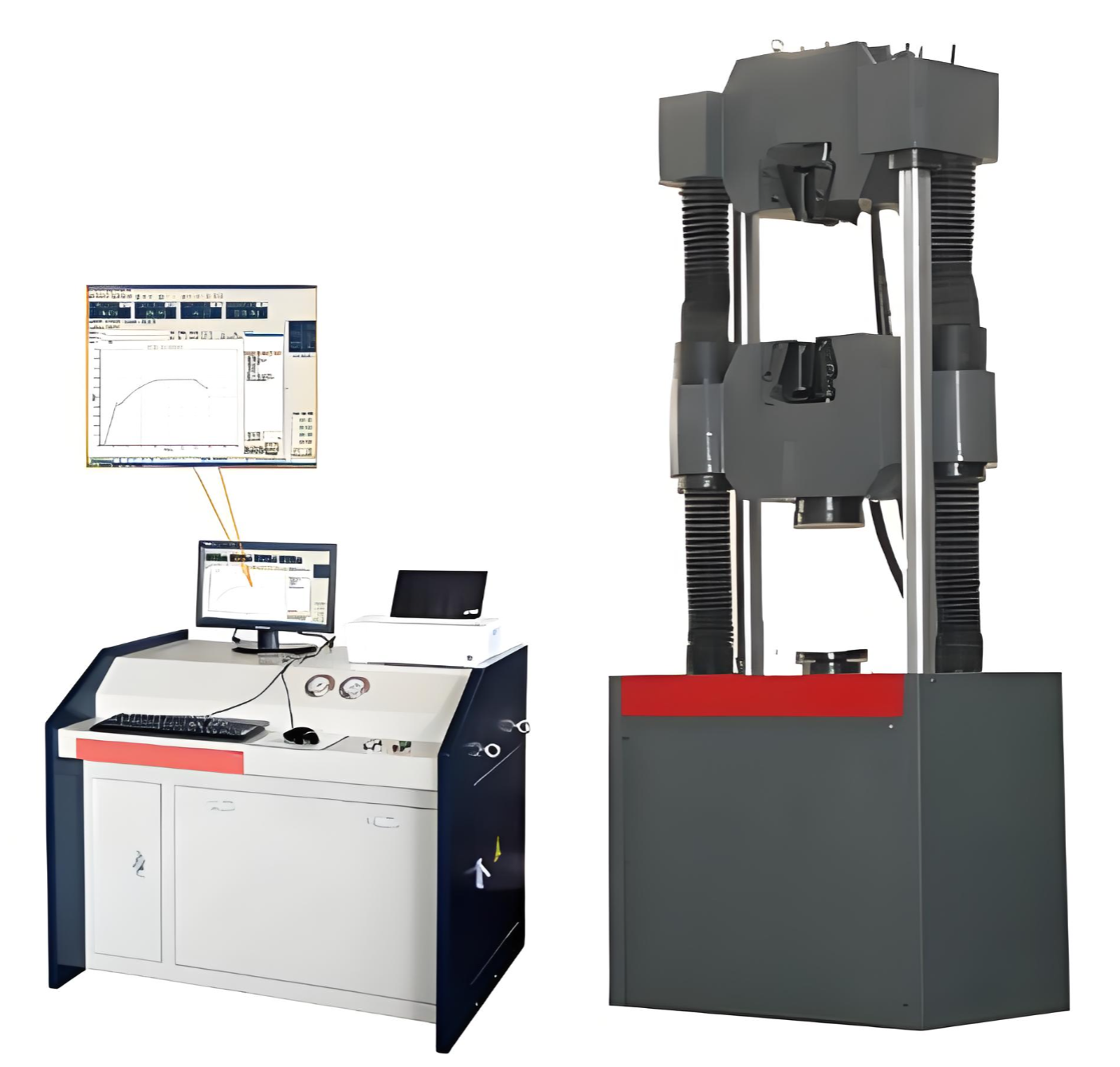
Universal Testing Machines serve as the critical bridge between the molecular design of polymers and their real-world utility. From fundamental property characterization in R&D to rigorous batch-by-batch quality control and specialized performance validation, UTMs generate the essential data that drives innovation, ensures consistency, and mitigates risk in the plastics industry. For companies relying on the predictable performance of polymeric materials, investing in the right UTM solution—and the expertise to leverage it fully—is not merely a laboratory expense but a strategic imperative for product reliability and market competitiveness.
-
02-15 2026
Essential Calibration Equipment for a Mechanical Testing Laboratory
In a mechanical testing laboratory, data is the ultimate deliverable. The integrity of this data is built upon a hidden infrastructure of calibration equipment—from hardness blocks and reference load cells to gauge blocks. This equipment provides the critical link to international measurement standards, transforming instruments from mere tools into sources of trustworthy, defensible, and legally compliant data. Investing in and maintaining a robust calibration program with the right tools is not an expense; it is the fundamental investment that safeguards a laboratory's reputation, ensures product quality for clients, and upholds the very science of material evaluation.
-
02-14 2026
How Industrial Dehumidifiers Protect Pharmaceutical Products and APIs
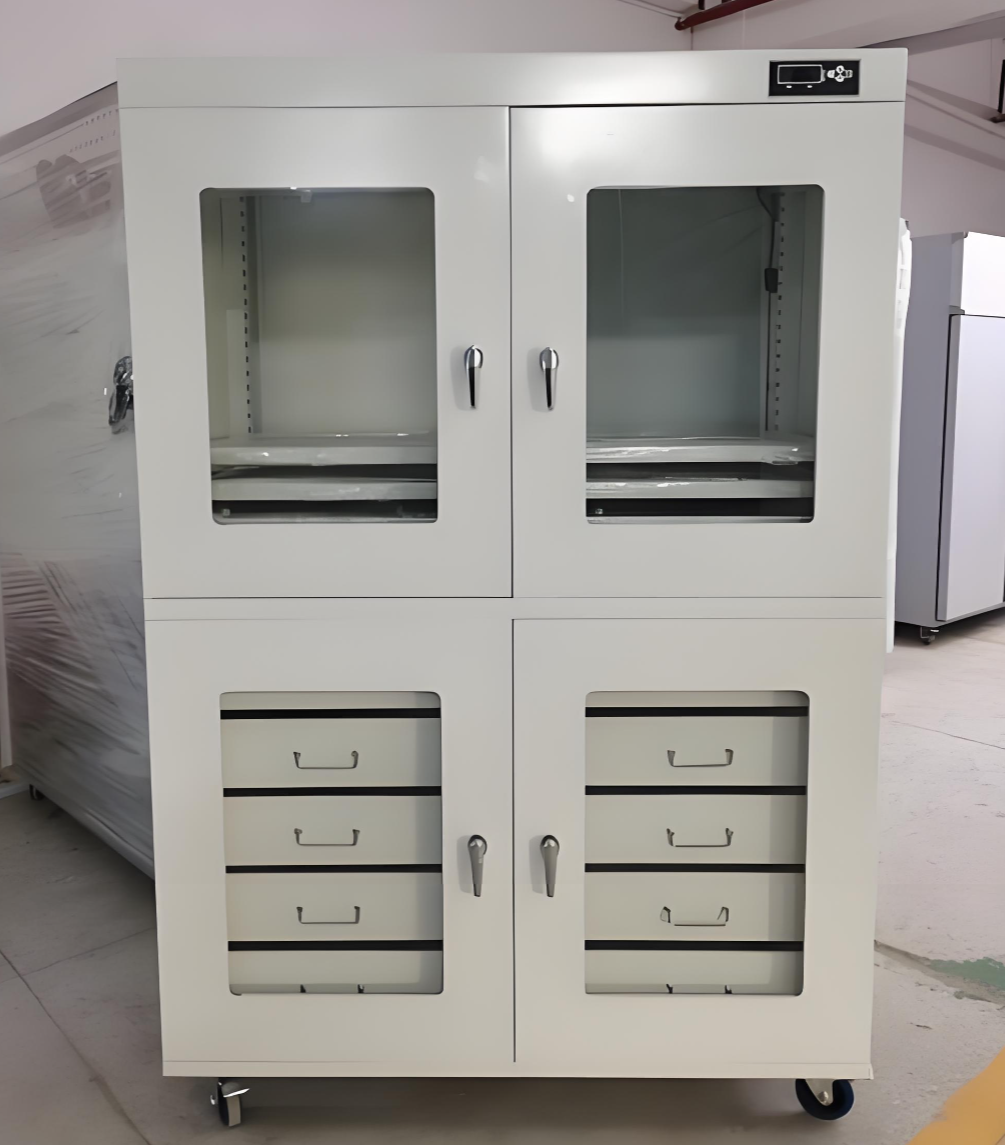
In the exacting science of pharmaceutical manufacturing, where product quality is synonymous with patient safety, industrial dehumidifiers serve as indispensable guardians. They provide the foundational environmental control needed to neutralize the pervasive threat of moisture, thereby ensuring the stability of APIs, the efficacy of final dosage forms, and compliance with the world's toughest regulatory standards. For companies seeking to fortify their operations against humidity-related risks, implementing a robust dehumidification strategy with reliable equipment is not an optional overhead but a critical pillar of sustainable pharmaceutical quality control.
-
02-13 2026
Automated vs. Manual Hardness Testing: Efficiency Comparison
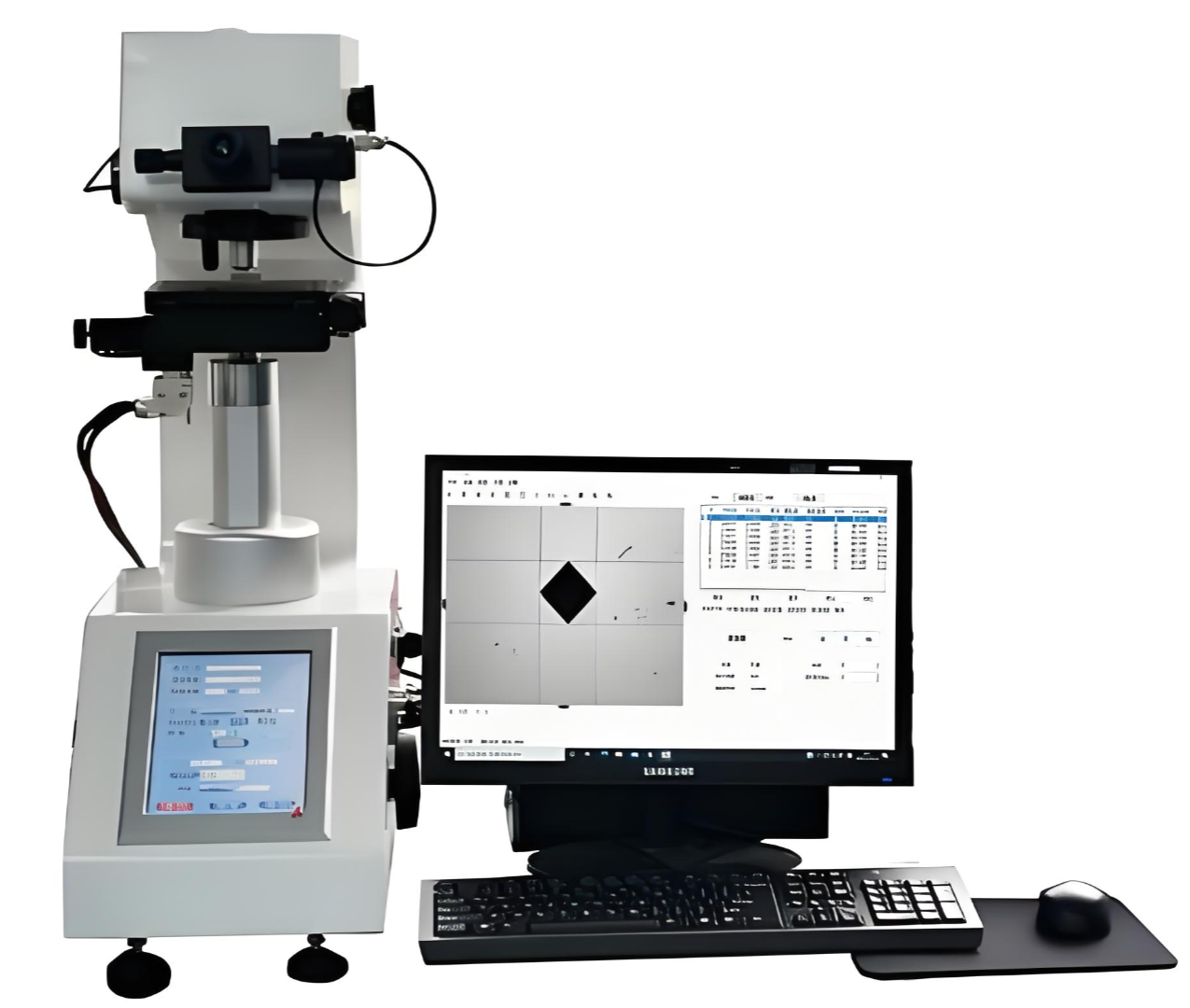
In conclusion, the efficiency comparison between manual and automated hardness testing reveals a clear evolutionary path for quality control. Manual testing remains a vital, cost-effective tool for low-volume applications, research, and scenarios requiring maximum flexibility. However, the drive towards Industry 4.0 and data-driven manufacturing makes automated testing the clear choice for high-volume production, stringent traceability requirements, and maximizing laboratory throughput. It transforms hardness testing from a skilled manual task into a seamless, integrated part of the digital manufacturing workflow. Suppliers like Skyline International, offering solutions across this spectrum, empower manufacturers to choose the optimal balance of precision, speed, and cost for their specific operational needs, ensuring that quality assurance evolves in lockstep with production efficiency.