


Automated vs. Manual Hardness Testing: Efficiency Comparison
Automated vs. Manual Hardness Testing: Efficiency Comparison
Defining the Workflow: Human Dexterity vs. Robotic Precision
The fundamental distinction between manual and automated hardness testing lies in the degree of human intervention and control throughout the testing sequence. Manual Hardness Testing relies entirely on the skill of the operator for critical steps: correctly placing the sample on the anvil, manually applying the preliminary (minor) load, carefully applying the major load, and then accurately reading the result from the analog dial or digital display. This process demands significant training and a steady hand to ensure the indenter makes perfect contact and to prevent parallax errors in reading results. While highly versatile for unique, one-off samples, the manual process is inherently variable, with testing speed and repeatability dependent on the operator's consistency and fatigue levels.
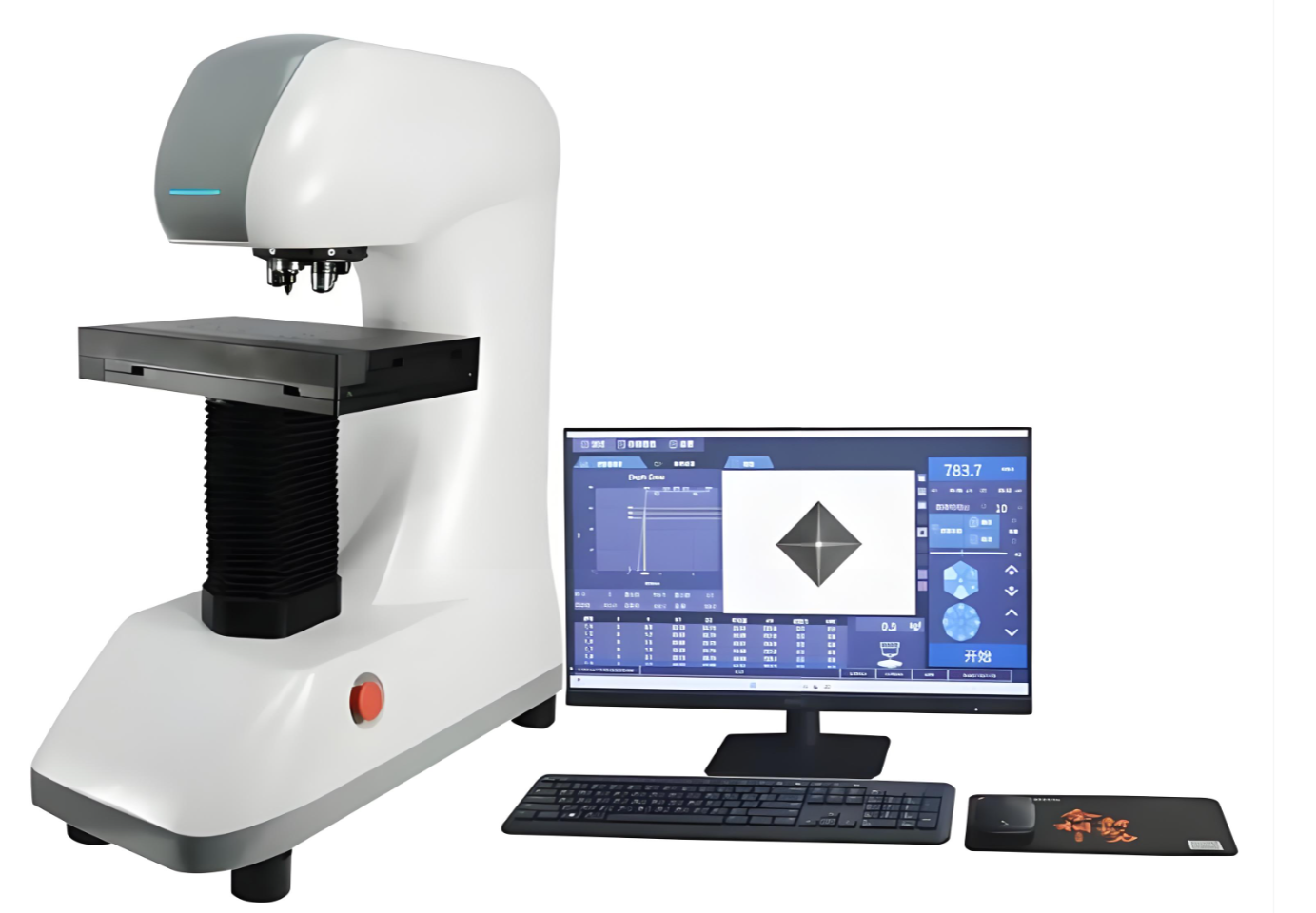
In contrast, Automated Hardness Testing systems integrate programmable logic controllers (PLCs), servo motors, and automated stages to execute the entire testing cycle. The operator simply loads a batch of samples onto a tray or fixture. The system then automatically positions the test piece under the indenter, applies the loads with precise force and dwell times, measures the indentation, records the result, and moves to the next test point. This eliminates operator influence, ensuring each test is performed with identical parameters. The comparison is clear: manual testing leverages human adaptability for irregular tasks, while automated testing delivers uncompromising precision and repeatability for standardized procedures.
Quantifying Efficiency: Throughput, Labor, and Data Integrity
When evaluating efficiency, the advantages of automation extend far beyond simple speed, impacting overall operational costs and data reliability. The core metric is Throughput. A manual tester might complete 50-100 tests per hour, depending on sample complexity and operator speed. An automated system can easily perform 300-600 tests per hour or more, consistently, without breaks. This dramatic increase in testing capacity directly translates to faster time-to-results for quality decisions.
Secondly, Labor Optimization is a critical factor. Manual testing is labor-intensive, requiring a skilled technician's full attention. Automation liberates highly-trained personnel from repetitive tasks, allowing them to focus on higher-value work like data analysis, process improvement, and exception handling. This improves job satisfaction and optimizes labor costs. Furthermore, Data Integrity and Traceability are significantly enhanced. Automated systems automatically log every result with a timestamp and often include sample ID, eliminating manual transcription errors and providing a complete, auditable trail for compliance with standards like ISO 17025. Manual recording is prone to errors and lacks the robust traceability required in modern manufacturing.
Strategic Implementation: Balancing Cost, Flexibility, and Application Needs
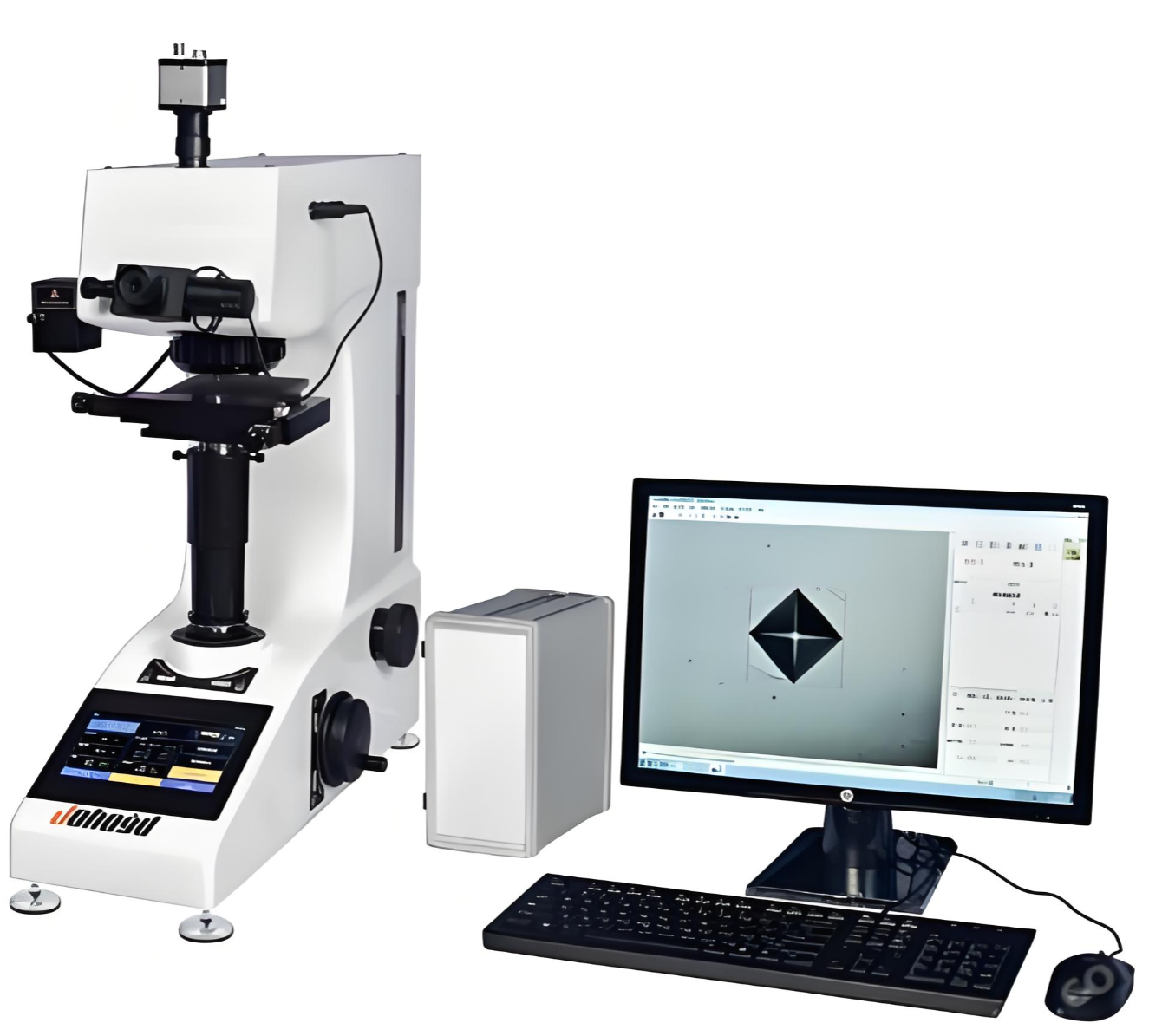
The choice between manual and automated systems is not about superiority but strategic fit, balancing initial investment with long-term operational needs. Manual Hardness Testers have a significantly lower initial capital cost and are highly flexible for laboratories or job shops that handle a wide variety of sample sizes, shapes, and low volumes. They are ideal for prototyping, failure analysis, and spot-checking where test locations are not predefined.
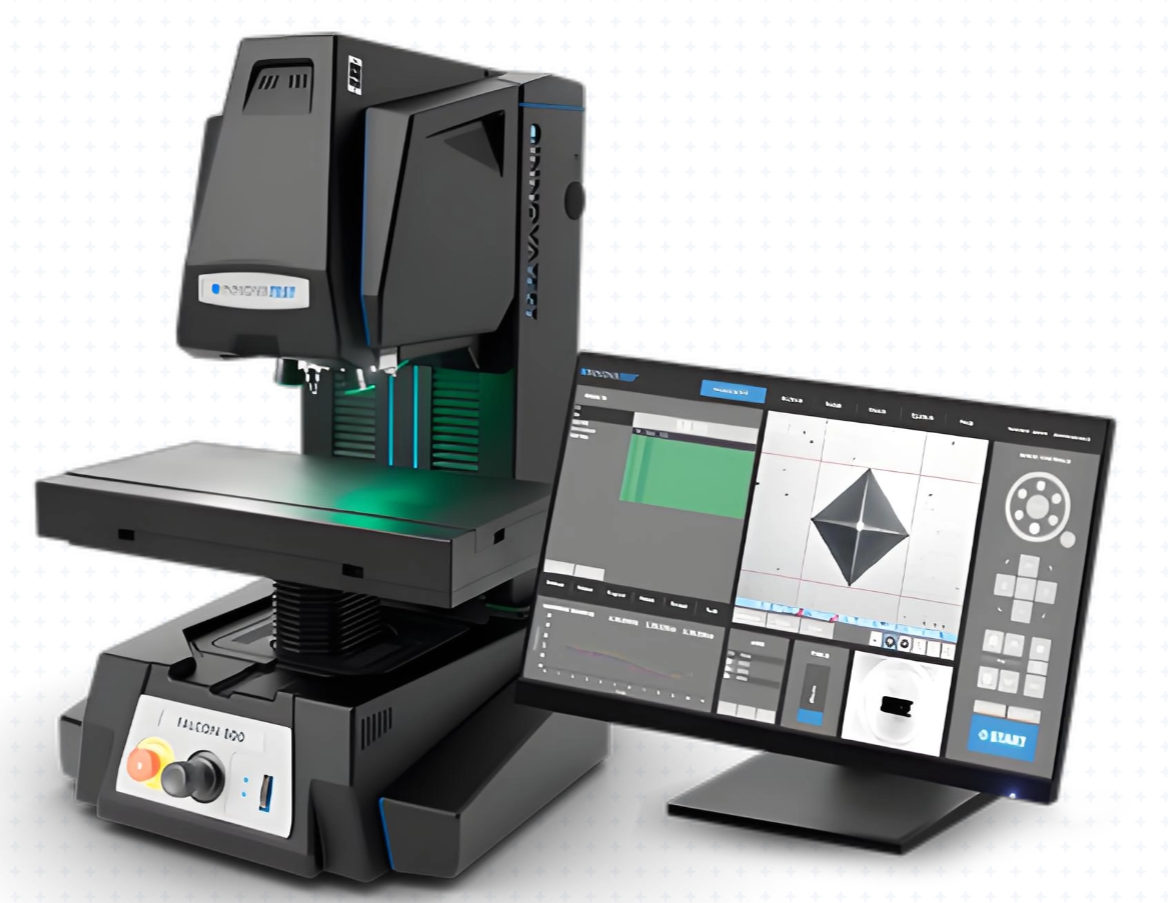
Automated Hardness Testing Systems require a higher upfront investment but offer a lower cost per test in high-volume production environments. They are indispensable for applications requiring 100% inspection of critical components (e.g., automotive bearings, aerospace fasteners), creating detailed hardness maps on large surfaces (e.g., weld seams, heat-treated gears), and for long-term statistical process control (SPC) where massive, consistent data sets are needed. The decision matrix is clear: for low-volume, high-mix environments with budget constraints, manual testers are effective. For high-volume, high-repeatability requirements where data integrity, throughput, and labor savings are paramount, automation delivers a rapid return on investment and superior quality assurance.
Optimizing Quality Control for Modern Manufacturing
In conclusion, the efficiency comparison between manual and automated hardness testing reveals a clear evolutionary path for quality control. Manual testing remains a vital, cost-effective tool for low-volume applications, research, and scenarios requiring maximum flexibility. However, the drive towards Industry 4.0 and data-driven manufacturing makes automated testing the clear choice for high-volume production, stringent traceability requirements, and maximizing laboratory throughput. It transforms hardness testing from a skilled manual task into a seamless, integrated part of the digital manufacturing workflow. Suppliers like Skyline International, offering solutions across this spectrum, empower manufacturers to choose the optimal balance of precision, speed, and cost for their specific operational needs, ensuring that quality assurance evolves in lockstep with production efficiency.