


How Industrial Dehumidifiers Protect Pharmaceutical Products and APIs
How Industrial Dehumidifiers Protect Pharmaceutical Products and APIs
Moisture's Degrading Impact on Pharmaceutical Integrity
In the highly regulated world of pharmaceutical manufacturing, controlling the environment is not merely a matter of comfort—it is a fundamental requirement for product safety, efficacy, and regulatory compliance. Atmospheric moisture, or humidity, poses a silent but formidable threat to both finished pharmaceutical products and their core components, Active Pharmaceutical Ingredients (APIs). Excess humidity can trigger a cascade of detrimental effects. For hygroscopic APIs and excipients, it can cause caking, clumping, and changes in particle size distribution, compromising the precise dosing critical to drug formulations. In solid dosage forms like tablets and capsules, moisture absorption can lead to physical instability, such as softening, swelling, or even microbial growth, rendering them unsafe for consumption. Chemical degradation pathways, including hydrolysis, are also accelerated in humid conditions, potentially reducing the potency of the API or generating harmful impurities. Therefore, maintaining a stringent, low-dew-point environment is essential to preserve the chemical and physical stability of pharmaceuticals from raw material storage through to final packaging.
Engineered Dehumidification for GMP-Compliant Environments
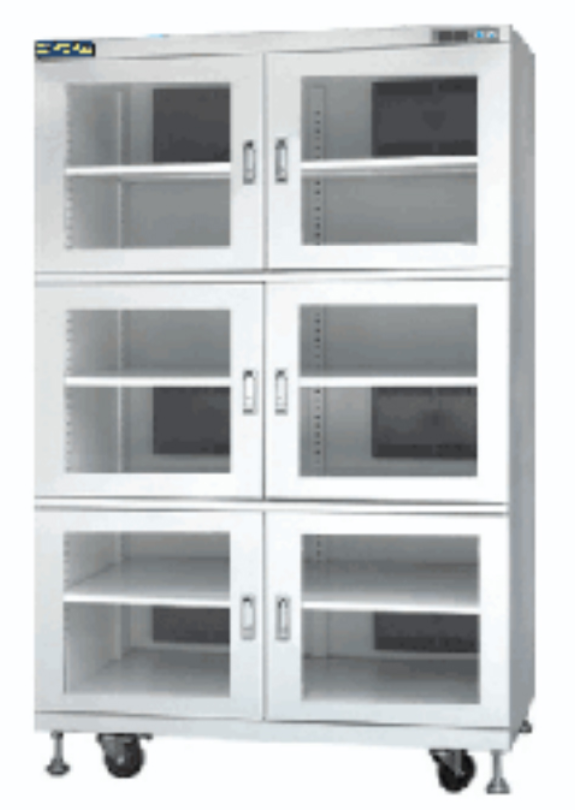
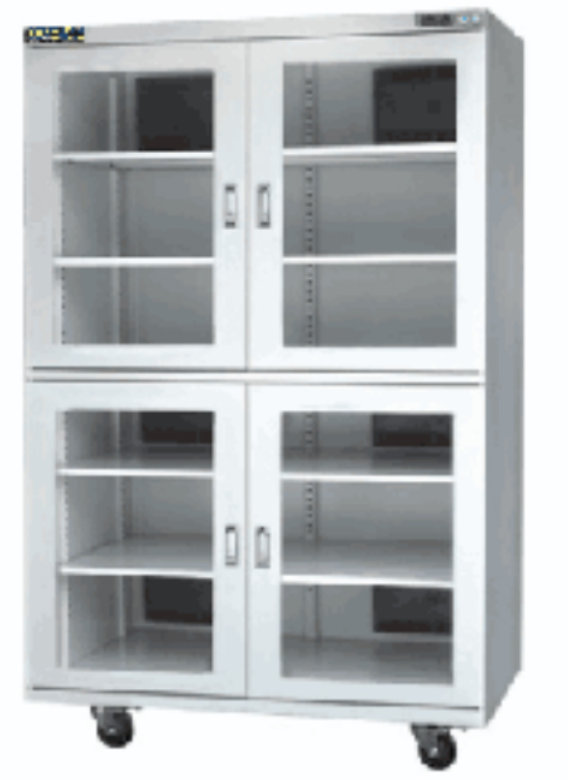
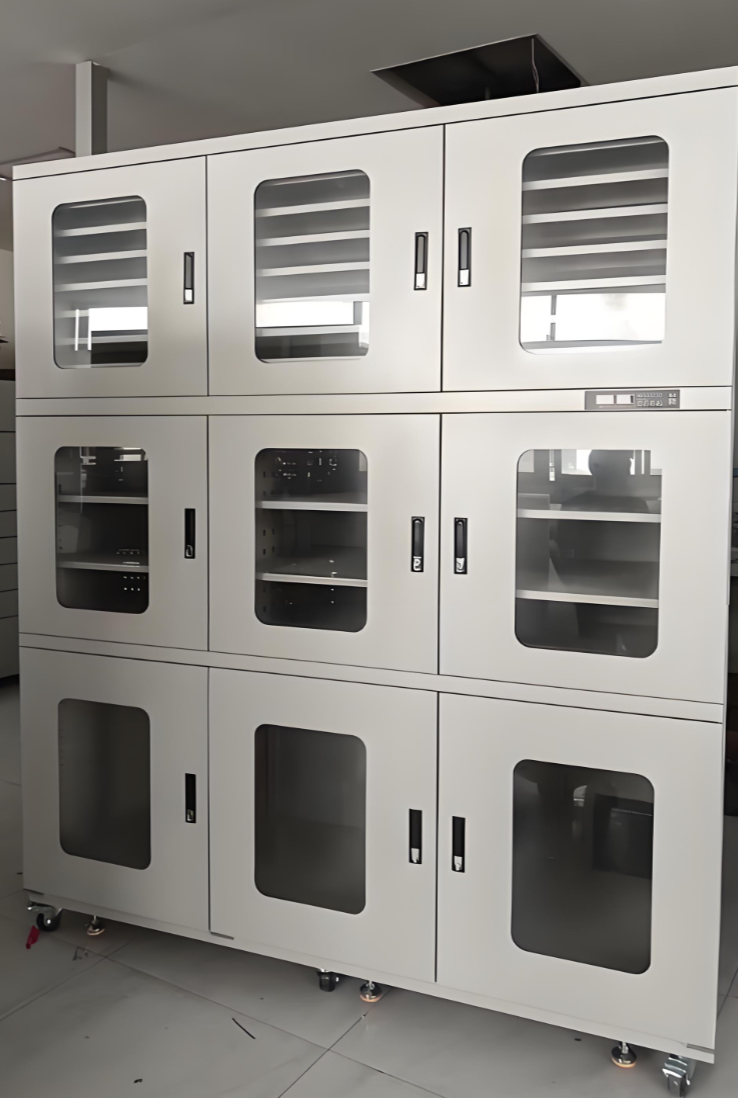
Recognizing this critical need, Skyline International partners with leading manufacturers to supply industrial-grade dehumidification systems specifically engineered for the pharmaceutical sector. These are not standard commercial units but robust solutions designed to achieve and maintain the ultra-low relative humidity levels (often below 30% RH or lower) mandated for sensitive processes. Skyline's portfolio includes high-capacity desiccant dehumidifiers ideal for large spaces like API storage warehouses, bulk material handling areas, and packaging halls. For more localized control, such as in filling lines, powder processing booths, or QC laboratories, compact and efficient models are available. Key features of these pharmaceutical-grade systems often include HEPA filtration to ensure air purity, corrosion-resistant materials for cleanability, precise digital controls for set-point accuracy, and compliance with Good Manufacturing Practice principles. By creating a consistently dry atmosphere, these dehumidifiers protect multi-million-dollar batches of APIs from moisture-induced waste, prevent batch failures during production, and safeguard the integrity of finished products on storage shelves.
Ensuring Compliance, Yield, and Supply Chain Reliability
The role of industrial dehumidifiers extends far beyond simple moisture removal; they are integral to ensuring overall operational excellence and supply chain integrity. Strict regulatory standards from bodies like the FDA, EMA, and WHO explicitly require environmental control as part of Current Good Manufacturing Practices. Reliable dehumidification systems provide the documented, stable conditions necessary for audit trails and regulatory approval. Economically, they directly protect profit margins by minimizing yield loss due to spoilage, reducing the frequency of costly stability testing repeats, and extending the valid shelf life of products. In the context of global supply chains, where products may be stored and transported across varied climates, controlled humidity at the manufacturing origin is the first and most crucial defense against latent damage. For pharmaceutical companies operating in or sourcing from Southeast Asia, where ambient humidity is persistently high, partnering with a trusted supplier like Skyline International for turnkey dehumidification solutions becomes a strategic investment in quality assurance and risk mitigation.
In the exacting science of pharmaceutical manufacturing, where product quality is synonymous with patient safety, industrial dehumidifiers serve as indispensable guardians. They provide the foundational environmental control needed to neutralize the pervasive threat of moisture, thereby ensuring the stability of APIs, the efficacy of final dosage forms, and compliance with the world's toughest regulatory standards. For companies seeking to fortify their operations against humidity-related risks, implementing a robust dehumidification strategy with reliable equipment is not an optional overhead but a critical pillar of sustainable pharmaceutical quality control.