


Electronic vs. Hydraulic Universal Testing Machines: A Comparative Analysis
Electronic vs. Hydraulic Universal Testing Machines: A Comparative Analysis
Fundamental Principles: Precision Control vs. Raw Power
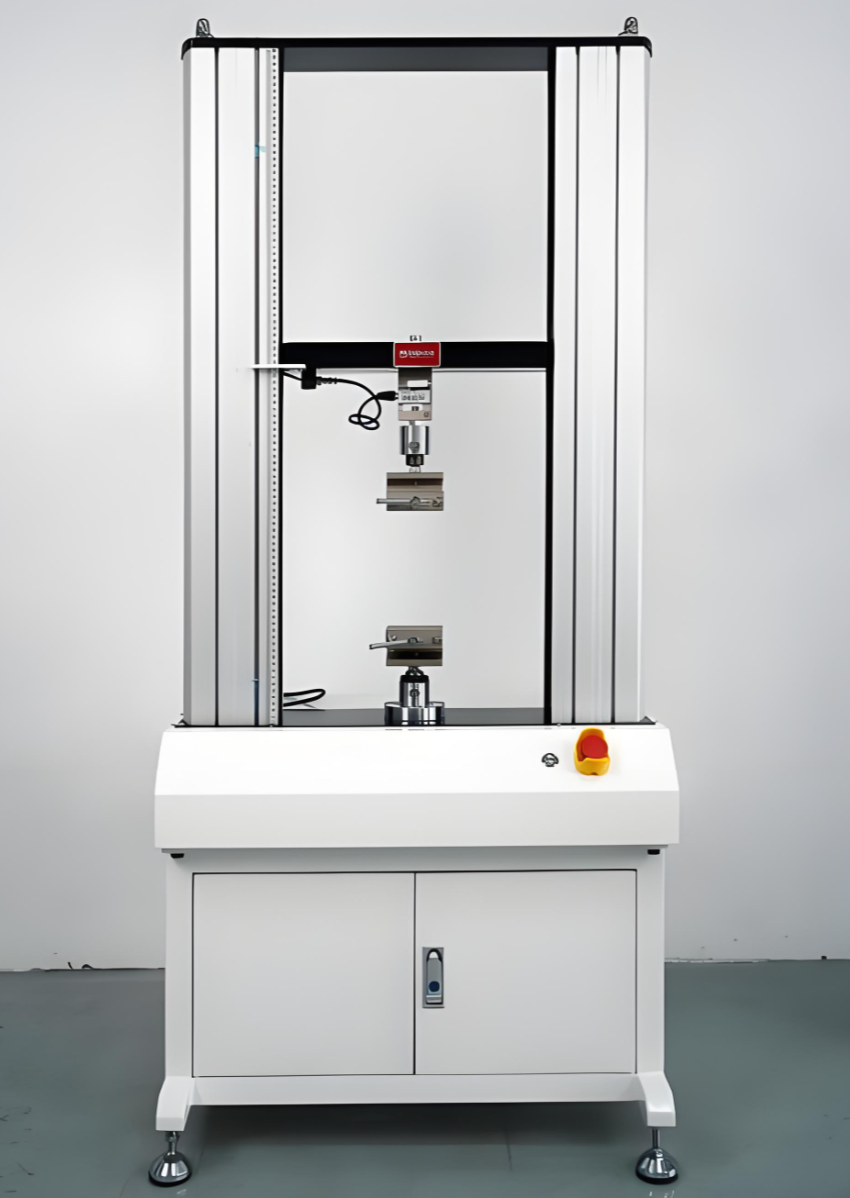
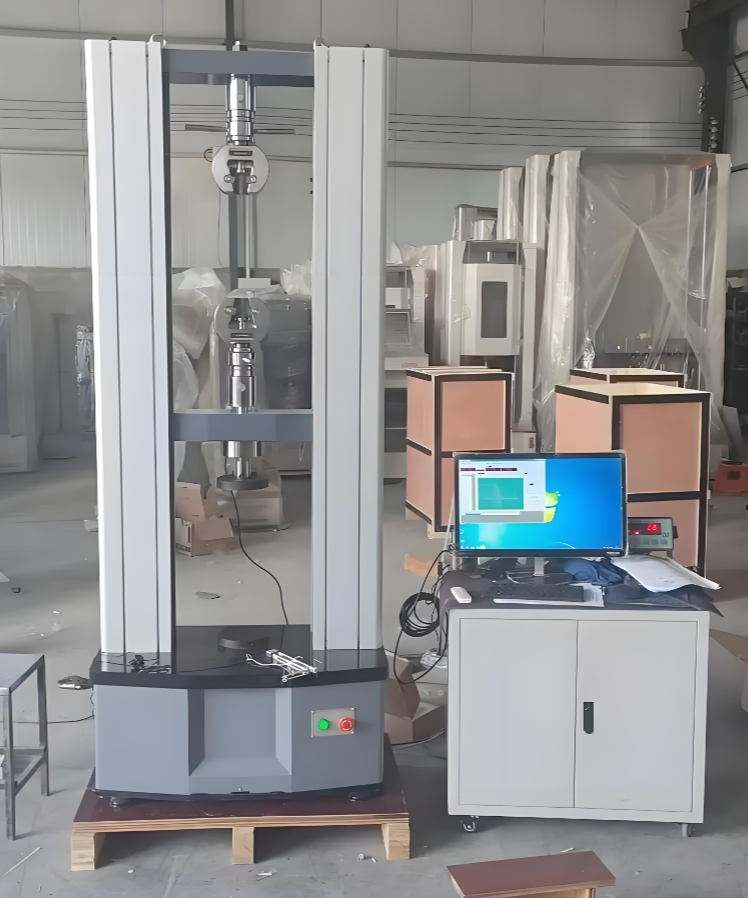
The primary distinction between Electronic Universal Testing Machines (EUTMs) and Hydraulic Universal Testing Machines (HUTMs) lies in their core force-generation mechanisms, which directly dictate their inherent strengths. Electronic UTM systems utilize a precision servo motor coupled with a high-accuracy ball screw drive. This electromechanical system converts rotary motion into linear force with exceptional control, allowing for precise speed regulation, smooth loading, and superior positional accuracy. They excel in delivering consistent, low-vibration force application, making them ideal for low to medium force capacity tests (typically from a few Newtons up to 300-600 kN) on materials like polymers, composites, textiles, thin metals, and for applications requiring detailed stress-strain data.
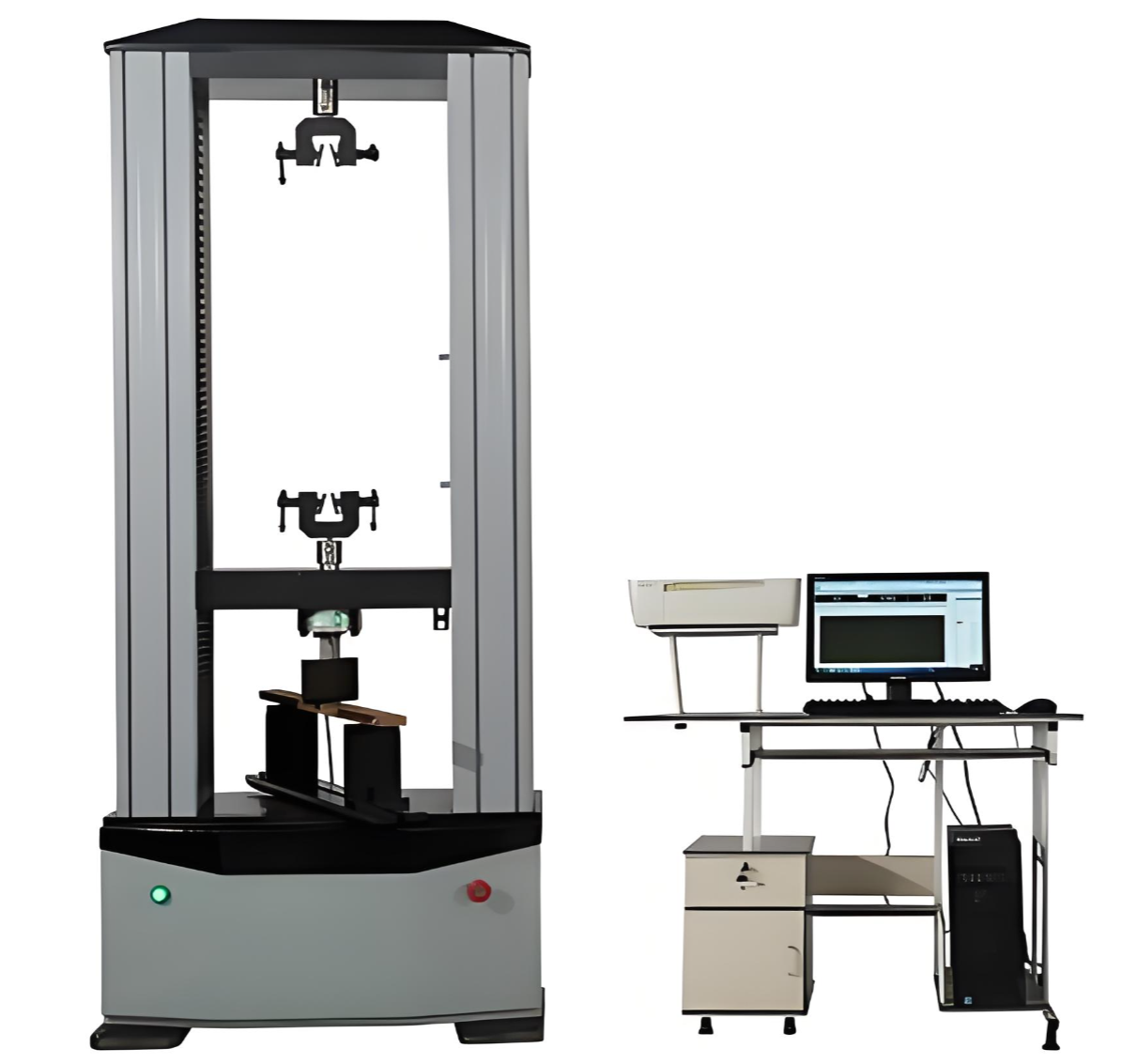
In contrast, Hydraulic UTM systems generate force through a hydraulic piston driven by a high-pressure oil pump. This hydraulic principle allows them to produce immense forces (often ranging from 100 kN to several thousand kN) efficiently and is less costly per unit of force at high capacities. They are the undisputed choice for testing high-strength materials such as structural steel, concrete, heavy forgings, and large components. However, achieving the same level of fine control at very low speeds or forces can be more challenging compared to electronic systems. The choice begins here: unmatched precision for delicate materials (Electronic) versus brute force capacity for heavy-duty applications (Hydraulic).
Performance, Application, and Operational Experience
The differing drive technologies translate into distinct performance profiles and user experiences across various testing scenarios. Electronic UTMs are celebrated for their quiet, clean, and energy-efficient operation. With no hydraulic oil, they eliminate risks of leaks and require minimal routine maintenance (primarily lubrication of the drive system). Their advanced digital controllers enable complex, programmable test profiles, including low-cycle fatigue tests. The user interface is often more intuitive, facilitating quick setup and operation. Their compact footprint saves valuable laboratory space.
Hydraulic UTMs, while robust and powerful, typically have a larger physical footprint and higher operational noise due to the pump. They require regular maintenance of hydraulic oil, filters, and seals. For standard tension or compression tests, modern servo-hydraulic models offer excellent control. However, their true dominance is in static high-force applications (e.g., rebar, concrete cylinder tests) and high-frequency, high-energy dynamic testing (e.g., fatigue tests on large components). The operational experience leans towards industrial ruggedness and high-capacity throughput over the finesse and convenience of electronic systems.
Cost of Ownership and Strategic Selection
The decision between electronic and hydraulic systems extends beyond performance to encompass the Total Cost of Ownership (TCO), which includes purchase price, installation, energy consumption, maintenance, and longevity. Electronic UTMs generally have a lower long-term operational cost. They are more energy-efficient (power is drawn primarily during active loading), have fewer consumables, and require less maintenance, leading to lower downtime and upkeep expenses. The initial purchase price for a standard-capacity electronic machine is often competitive.
Hydraulic UTMs may present a lower initial capital cost per unit of force for very high-capacity models (e.g., 1000 kN and above). However, they incur ongoing costs for hydraulic oil, filter changes, and potential seal replacements. Their energy consumption can be higher due to the constant operation of the pump motor in some systems. The strategic selection, therefore, must weigh force and speed requirements against precision needs, lab environment, and long-term budget. For high-volume QC labs testing metals or plastics within medium ranges, an Electronic UTM offers speed and precision. For a civil engineering lab testing concrete and rebar, a robust Hydraulic UTM is the essential, cost-effective workhorse.
Aligning Technology with Testing Imperatives
In conclusion, there is no universal "best" type of universal testing machine. The choice between Electronic and Hydraulic UTMs is a strategic decision rooted in specific application needs. Electronic systems reign supreme in applications demanding high precision, clean operation, low maintenance, and versatile programmable control for low to medium force testing. Hydraulic systems are the powerhouse solution for high-force, high-energy static and dynamic testing, where their ability to generate immense force economically is paramount. Leading manufacturers like Skyline International, which offer comprehensive ranges of both technologies, empower laboratories and quality departments to make informed decisions. By carefully evaluating material types, force and speed specifications, required accuracy, and total lifecycle costs, users can select the optimal UTM—whether the precision-driven electronic workhorse or the powerful hydraulic champion—to ensure reliable, compliant, and efficient material testing.