


Industrial Dehumidifiers in Pharmaceutical Storage Environments
Industrial Dehumidifiers in Pharmaceutical Storage Environments
Beyond Comfort: The Critical Role of Humidity Control in GMP Compliance
In pharmaceutical manufacturing and storage, humidity control is not merely a matter of comfort or energy efficiency; it is a stringent regulatory and scientific imperative. The stability, efficacy, and safety of Active Pharmaceutical Ingredients (APIs), excipients, and finished drug products are profoundly susceptible to moisture. Excessive humidity can trigger a cascade of detrimental effects, including chemical degradation (hydrolysis), physical changes such as clumping or crystallization in powders, and microbial proliferation. These changes can compromise drug potency, alter dissolution rates, and even introduce safety risks. International regulatory standards, most notably Good Manufacturing Practice (GMP) guidelines enforced by agencies like the FDA and EMA, mandate strict environmental control throughout the supply chain. Industrial dehumidifiers, therefore, are not optional equipment but essential infrastructure for maintaining compliance. They provide the precision control necessary to uphold specified Relative Humidity (RH) levels (often between 35% and 55% RH for many products) in warehouses, cleanrooms, packaging areas, and stability testing chambers, ensuring that every product batch meets its predefined quality attributes from the moment of synthesis to final packaging.
Precision Engineering for Pharmaceutical-Grade Protection
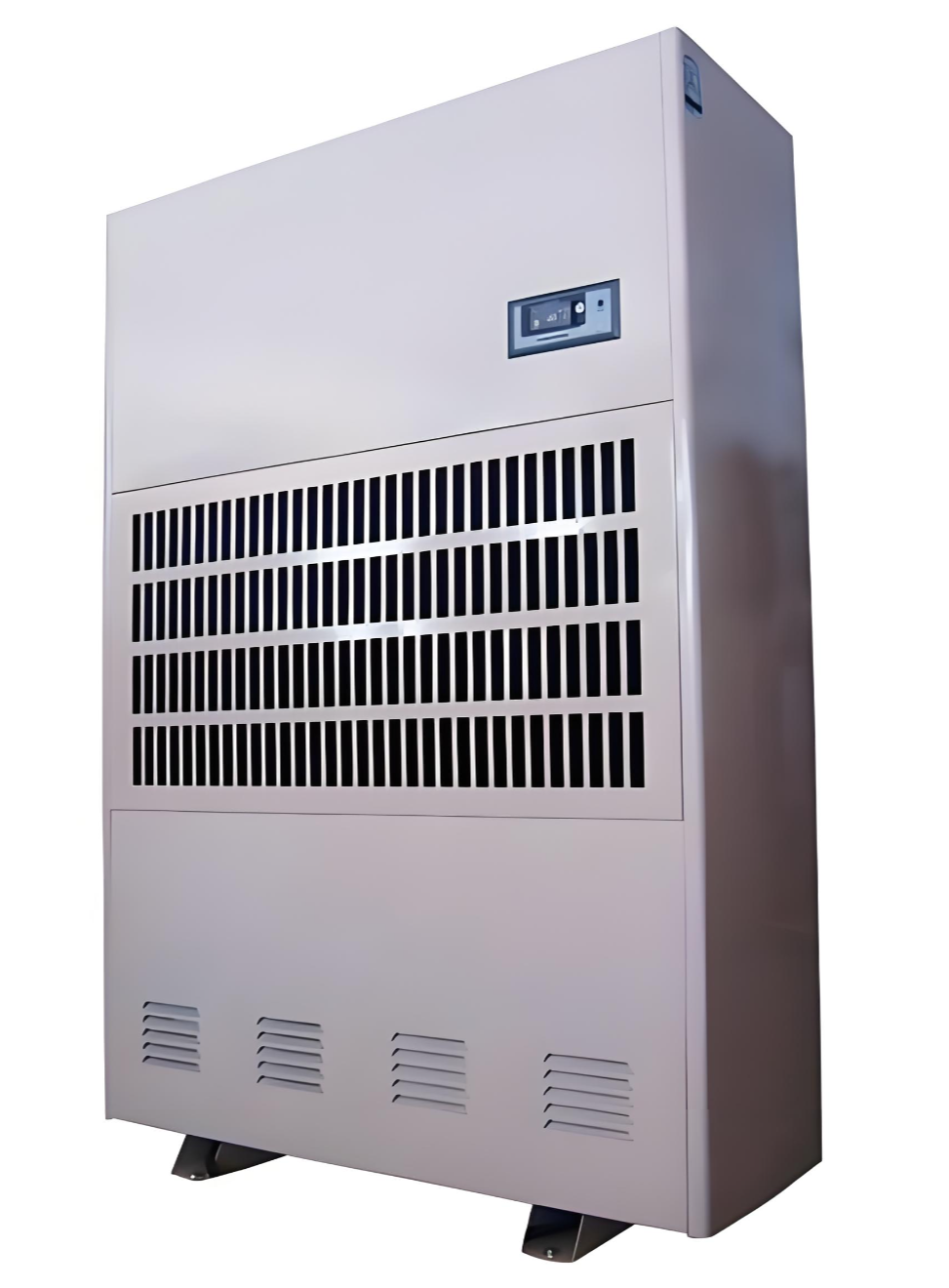
Pharmaceutical-grade industrial dehumidifiers are engineered with features that distinguish them from standard commercial units, addressing the unique demands of critical storage environments. The cornerstone of their operation is often advanced Desiccant Dehumidification Technology. Unlike refrigerant-based systems that struggle in low-temperature or low-humidity conditions, desiccant dehumidifiers use a moisture-absorbent rotor to actively and reliably remove moisture from the air, achieving extremely low dew points (as low as -40°C to -60°C) even in cool warehouse settings. This is vital for protecting hygroscopic materials. Secondly, Hygienic Design and Complianceare paramount. Units designed for pharmaceutical use feature easy-to-clean, non-corrosive stainless steel or coated casings, HEPA filtration on air intakes and exhausts to prevent particulate contamination, and designs that avoid moisture traps where microbes could grow. Furthermore, integration with Building Management Systems (BMS)and sophisticated Monitoring & Data Loggingcapabilities is essential. Continuous, validated recording of temperature and humidity data provides the audit trail required for regulatory compliance and facilitates proactive maintenance and alarm management to prevent excursions before they impact product quality.
Safeguarding Products Across the Pharmaceutical Cold Chain
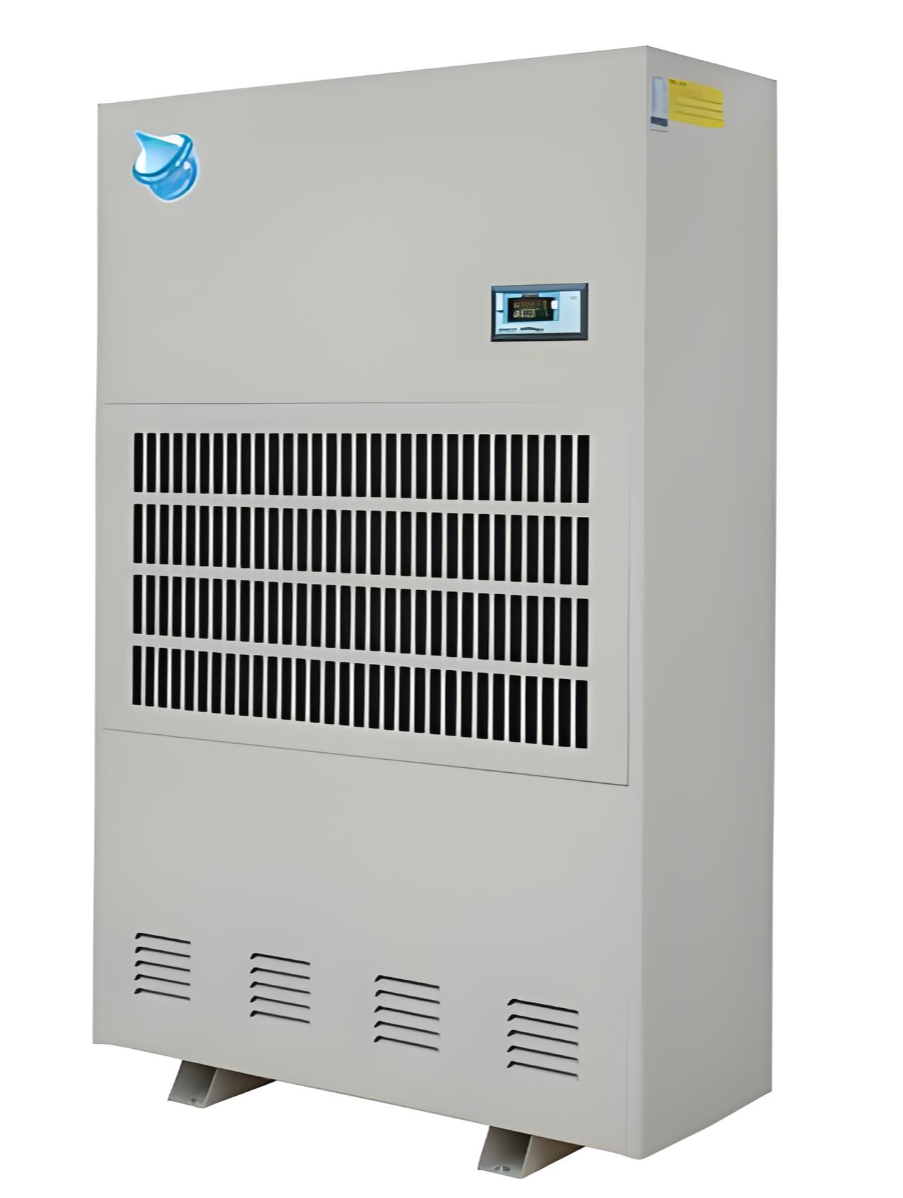
The application of industrial dehumidifiers extends across the entire pharmaceutical ecosystem, with critical roles in several key areas. In Raw Material and API Warehousing, they prevent moisture uptake by hygroscopic powders and granules, maintaining flowability and chemical stability. Within Primary and Secondary Packaging Zones, controlled humidity is essential to ensure the proper functioning of packaging machinery (preventing label curl or adhesive failure) and the integrity of blister packs and bottle closures. Perhaps most critically, dehumidifiers are the workhorses of Stability Test Chambersand Long-Term Storage Archives. These units precisely simulate various climatic conditions (as per ICH guidelines) to determine drug shelf life, requiring unparalleled humidity control accuracy and reliability over months or years. For Cold Chain Storage(2-8°C), the challenge is preventing condensation when warm, moist air enters a cold room; dedicated low-temperature dehumidifiers solve this by keeping the air dry, thus protecting product integrity and packaging while also inhibiting mold growth on walls and ceilings. In each scenario, the dehumidifier acts as a silent guardian, mitigating the invisible but potent risk that humidity poses to product value and patient safety.
An Indispensable Pillar of Pharmaceutical Quality Assurance
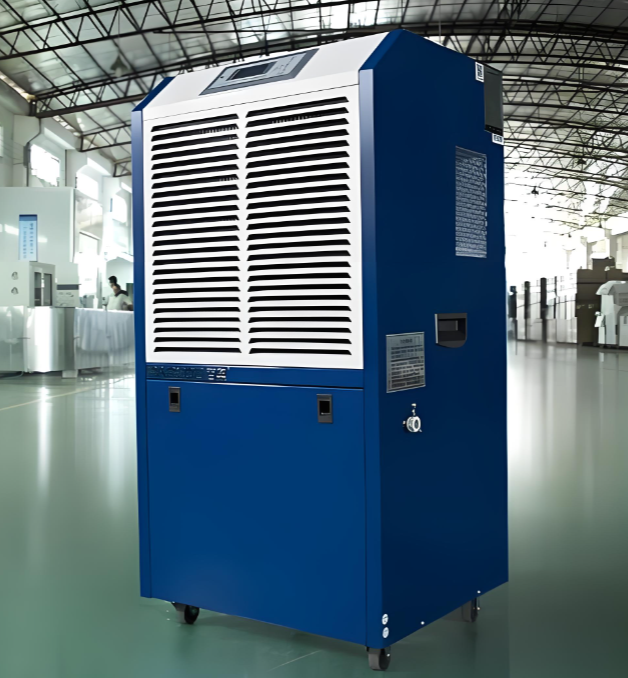
In conclusion, industrial dehumidifiers are far more than climate control appliances; they are an indispensable engineering pillar supporting the entire framework of pharmaceutical quality assurance and regulatory compliance. By delivering precise, reliable, and documentable humidity control, they protect the physical, chemical, and microbiological stability of sensitive drug substances and products. From safeguarding billion-dollar API inventories to ensuring the validity of stability studies, these systems play a critical role in mitigating risk, ensuring patient safety, and protecting the immense value inherent in pharmaceutical R&D and manufacturing. As drug formulations become more complex and global supply chains more stringent, the demand for advanced, GMP-aligned dehumidification solutions from trusted providers like Skyline International will only continue to grow, solidifying their status as a non-negotiable component of modern pharmaceutical infrastructure.