


Principles and Advantages of Ultrasonic Welding for Plastics and Metals
Principles and Advantages of Ultrasonic Welding for Plastics and Metals
The Core Principle: Converting Sound Energy into Frictional Heat
Ultrasonic welding is a sophisticated solid-state joining process that utilizes high-frequency mechanical vibrations to create strong molecular bonds between materials. The principle operates through a precise sequence. An electronic generator converts standard line power into a high-frequency electrical signal, typically 15 kHz, 20 kHz, 28 kHz, or 40 kHz. This signal powers a piezoelectric transducer, which converts the electrical energy into high-frequency, low-amplitude mechanical vibrations. These vibrations are amplified and transmitted through a tuned metal component called a hornor sonotrode, which applies them directly to the upper workpiece under controlled pressure. In plastic welding, the vibrations are directed perpendicularly to the joint interface. The rapid, cyclical motion generates interfacial friction and hysteresis heating within the plastic material, causing the polymer chains at the mating surfaces to melt and intermix. For ultrasonic metal welding, the vibrations are applied parallel (shear mode) to the interface. The combined effect of pressure and high-frequency scrubbing disrupts surface oxides and contaminants, enabling atomic diffusion and metallurgical bonding without bulk melting. This conversion of sound into localized, controllable heat is the foundational mechanism of the process.
Key Advantages in Modern Manufacturing
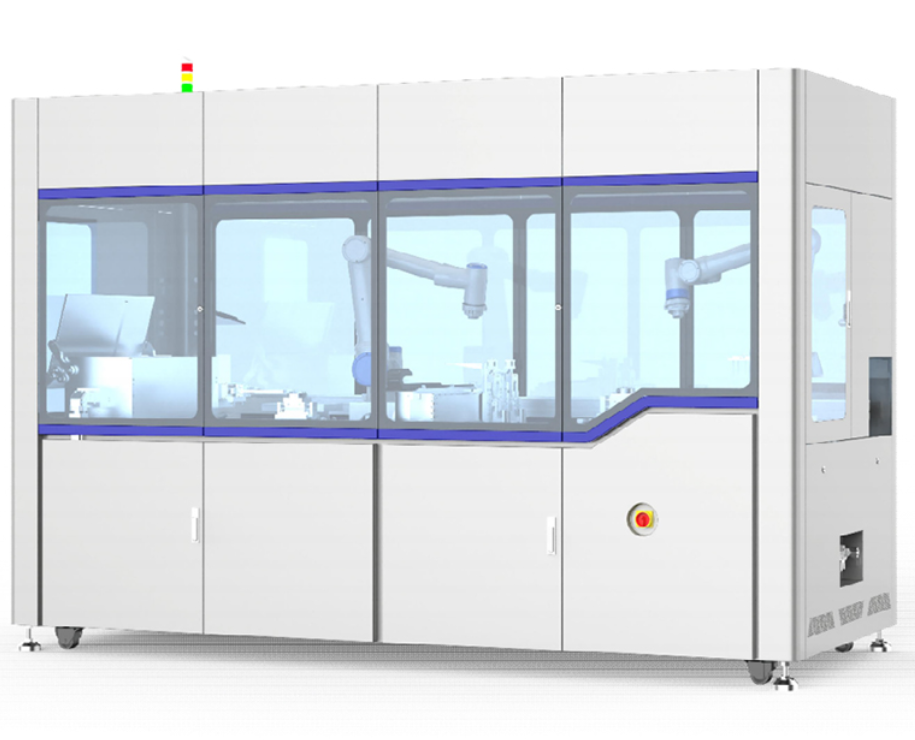
The unique principles of ultrasonic welding translate into compelling advantages that address critical needs in modern, high-volume production environments. Speed and Efficiency are paramount; welds are typically completed in fractions of a second (0.1 to 1.0 seconds), enabling exceptionally high throughput and seamless integration into automated assembly lines. Energy Efficiency is another major benefit, as power is consumed only during the brief weld cycle, and energy is focused precisely at the weld interface, minimizing waste. The process is Clean and Environmentally Friendly, producing no sparks, fumes, or consumables like adhesives or solvents, which simplifies ventilation requirements and reduces material costs. It enables Strong and Hermetic Joints with strength often approaching that of the parent material, and it is ideal for creating pressure-tight seals in fluidic systems. Furthermore, it is highly Automation-Compatible, featuring digital controls for precise parameter management (e.g., weld time, energy, distance) and easy integration with robotics and PLC systems. These advantages make it indispensable for industries demanding precision, speed, and reliability.
Material and Application Versatility
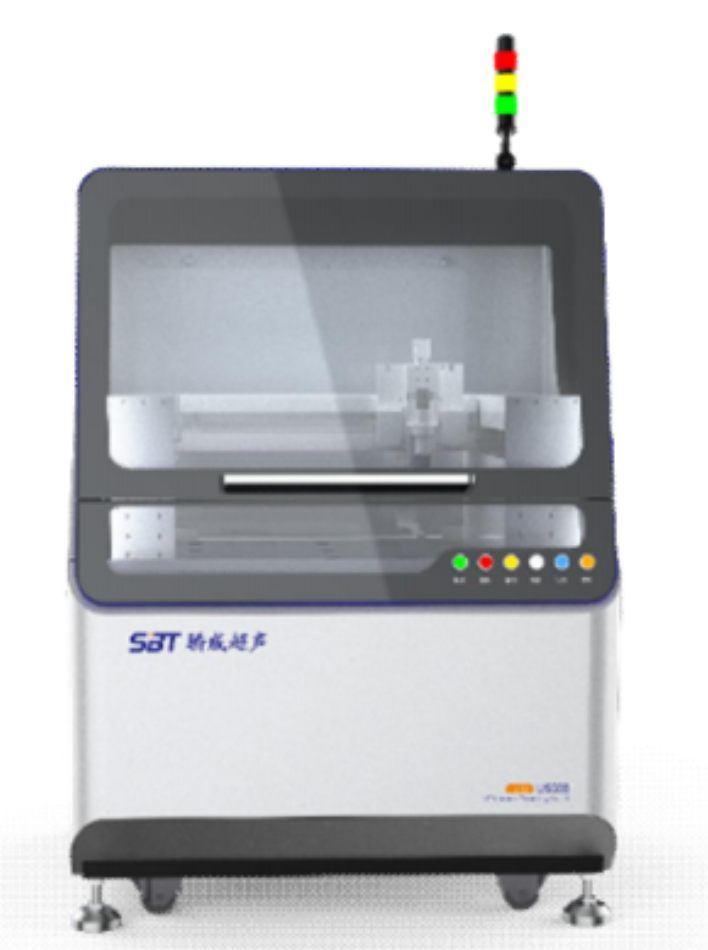
A significant strength of ultrasonic welding is its remarkable versatility across material types and product applications. For plastics, it is most effective with thermoplastic polymers that have a regular molecular structure, such as ABS, polycarbonate, nylon, and polypropylene. It is widely used to assemble automotive components (light housings, fluid reservoirs), medical devices (filters, catheters, housings), consumer electronics (phone cases, connectors), and disposable packaging. For metals, ultrasonic welding excels at joining thin, conductive materials like aluminum, copper, and their alloys without flux or shielding gas. It is the preferred technique for critical applications such as terminal lugs to battery busbars in electric vehicles, wire harnessing, and the sealing of foil packaging for sensitive electronics. This dual capability for plastics and metals, provided by suppliers like Skyline International with both pin and terminal welder variants, allows manufacturers to consolidate assembly processes and leverage a single, proven technology for a wide array of joining challenges, from delicate medical sensors to robust electrical connections in EV powertrains.
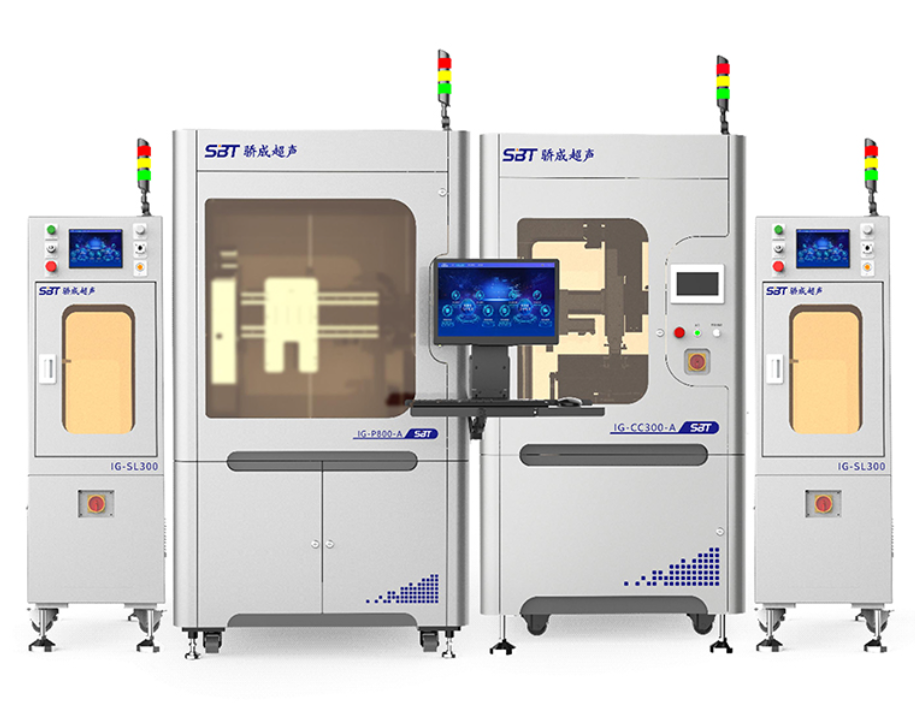
Ultrasonic welding stands as a cornerstone of advanced manufacturing, transforming high-frequency sound into precise, reliable, and efficient bonds. Its principle of localized frictional heating enables strong, clean joints without bulk melting or external consumables. The resultant advantages—unmatched speed, energy economy, automation readiness, and joint integrity—solve critical production challenges. Combined with its exceptional versatility across plastics and metals, ultrasonic welding is not merely a joining method but a strategic enabler for innovation in industries ranging from automotive and electronics to medical devices and clean energy, ensuring products are built faster, better, and more reliably.