


Selecting the Right X-ray System Resolution and Power for Your Application
Selecting the Right X-ray System Resolution and Power for Your Application
Understanding Resolution: The Key to Detail and Defect Detection
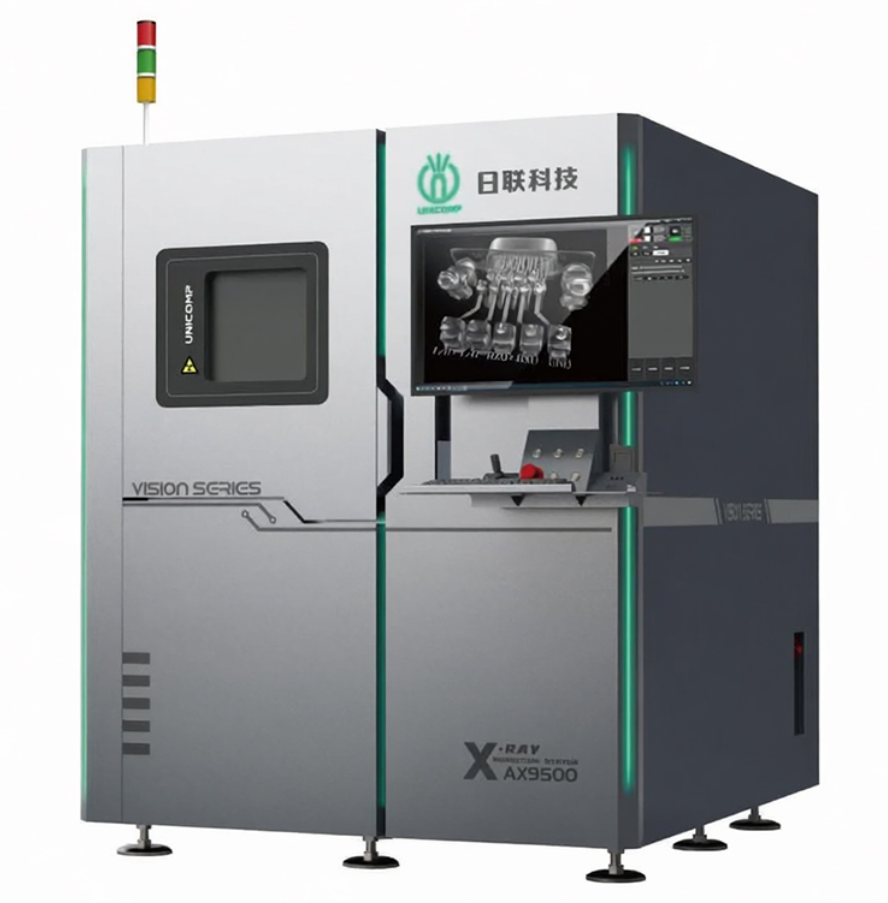
The spatial resolution of an X-ray inspection system, often measured in microns (µm) or line pairs per millimeter (lp/mm), is its ability to distinguish between two closely spaced objects. In simpler terms, it defines the smallest feature or defect you can clearly see in the image. Higher resolution is critical when your application involves inspecting extremely small, dense, or closely packed features. For example, detecting minute cracks in semiconductor die attach (<10 µm), observing voids in microvias within a multi-layer PCB, or distinguishing individual wires in a densely packed micro-connector all demand a high-resolution system, typically utilizing micro-focus or nano-focus X-ray tubes. However, the quest for higher resolution must be balanced. An ultra-high-resolution micro-focus tube might have a lower power output, which can limit its ability to penetrate thick or highly dense materials. Therefore, the first step in selection is to define the smallest critical defect size you need to detect and the material density and thickness of your sample. Choosing a system with insufficient resolution means flaws go undetected, while over-specifying can lead to unnecessary capital expenditure and potentially slower inspection speeds.
Power and Penetration: Illuminating the Internal Structure
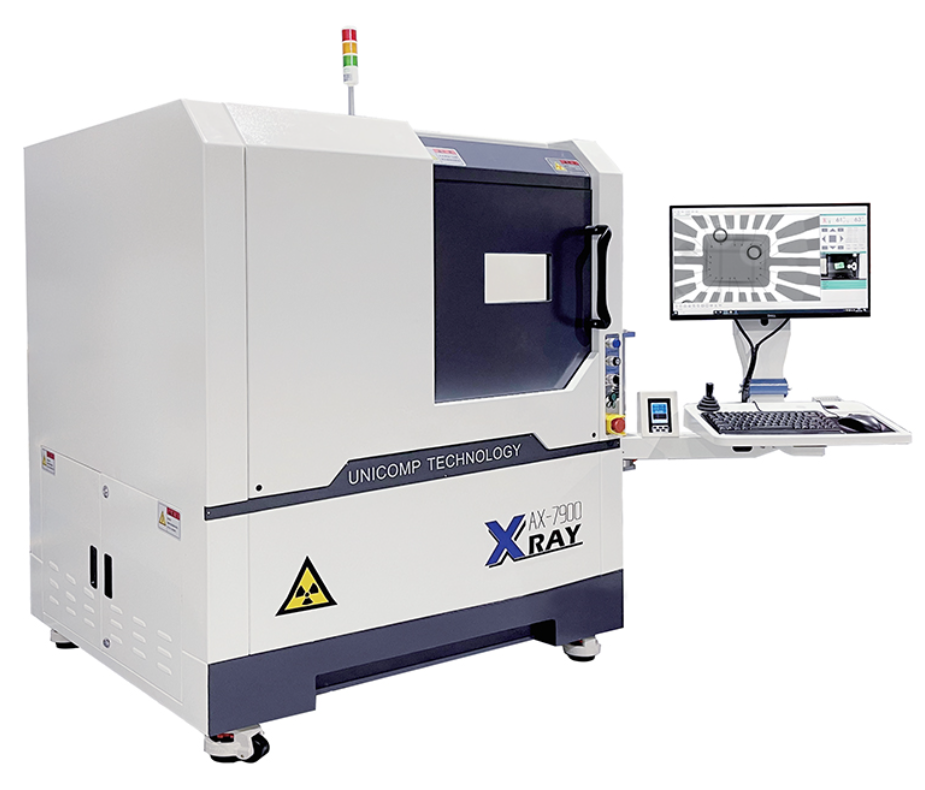
The power of an X-ray system, primarily determined by the tube's voltage (kV) and current (µA), governs its penetrating capability. Higher accelerating voltage (kV) generates X-rays with higher energy, enabling them to pass through denser and thicker materials. This is paramount for applications like inspecting cast aluminum automotive parts for porosity, examining solder joints in thick power modules, or checking the internal integrity of metal composites. For instance, analyzing a large battery pack casing requires a higher power (e.g., 160kV or above) system compared to inspecting a thin smartphone PCB. Conversely, using excessive power on a thin, low-density sample (like a plastic IC package) can lead to over-penetration, resulting in a low-contrast, washed-out image where subtle details are lost. The ideal system provides sufficient power to achieve good contrast and signal-to-noise ratio for your specific sample, revealing internal features clearly without compromising the detector or requiring excessively long exposure times. The interplay between power and resolution is key: a high-power tube might have a larger focal spot, which can inherently limit the maximum achievable geometric resolution.
Strategic Selection: Balancing Specifications with Application Needs and Workflow
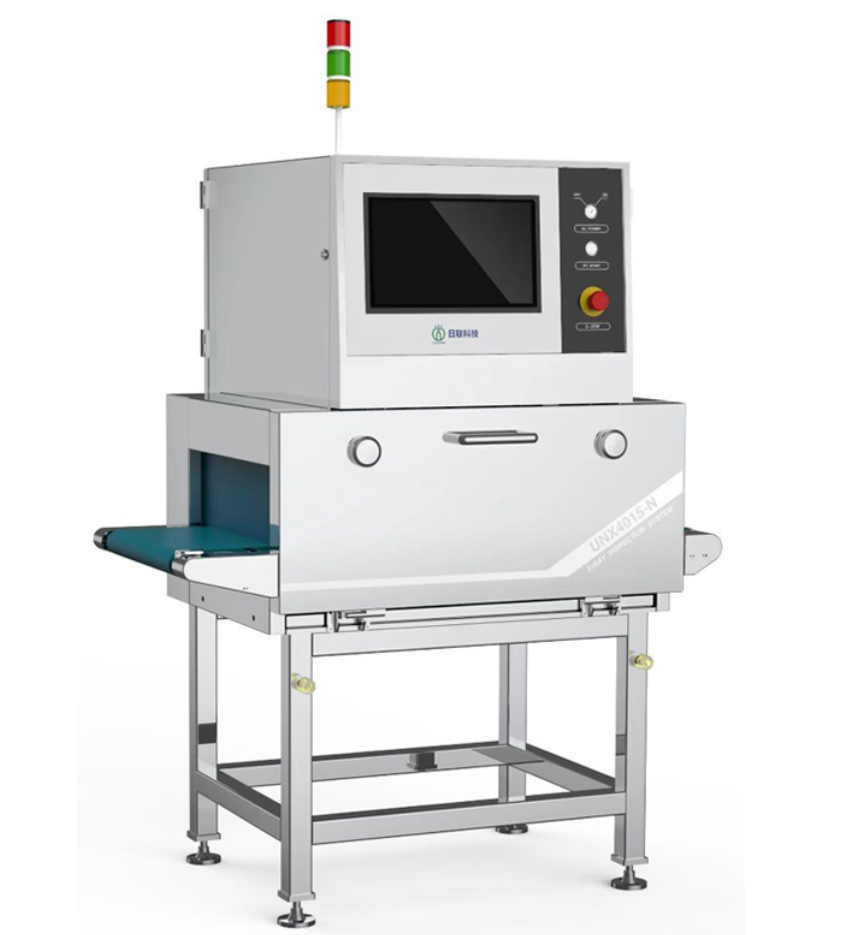
Selecting the right X-ray system is not merely about maximizing technical specifications; it’s a strategic decision that balances performance with practical application requirements and overall workflow efficiency. Begin by rigorously defining your Primary Application: Is it for high-throughput production line inspection of solder joints, or for detailed, high-magnification failure analysis on occasional samples? A production environment may prioritize speed and automation over ultimate resolution, opting for a system with a larger field of view and faster detector. Next, consider Sample Variety: Will the system inspect a single, uniform product type, or a wide range of items from thin plastic to thick metal? A versatile lab may need a system with a broad kV range and multiple focal spot options. Finally, evaluate Future-Proofing: Will your products become smaller, denser, or more complex? Investing in a system with slightly higher resolution or power headroom than currently needed can extend its useful life. Consulting with an experienced supplier like Skyline International is crucial. They can help you analyze your specific use case, provide application testing, and recommend a configuration—be it a high-resolution micro-focus system for R&D, a balanced open-tube system for general QA, or a high-power directional tube for heavy industrial parts—that delivers optimal value and return on investment.
Choosing the optimal X-ray inspection system is a critical investment that hinges on a precise understanding of your detection goals, sample characteristics, and operational context. Resolution defines the fineness of detailyou can see, while power determines the depth and densityof material you can inspect. These two parameters are intrinsically linked and must be balanced against each other and against practical factors like throughput, sample size, and future needs. A strategic, application-driven approach, supported by expert guidance from a trusted supplier, ensures you select a system that not only reveals hidden defects with clarity but also integrates seamlessly into your quality control or analysis workflow, delivering reliable insights and protecting your product integrity for years to come.