


Impact Testing Machines: Evaluating Material Toughness and Resistance to Sudden Loads
Impact Testing Machines: Evaluating Material Toughness and Resistance to Sudden Loads
The Fundamental Principles: Simulating Real-World Sudden Forces
Impact testing machines are engineered to simulate the sudden, high-strain-rate loading conditions that materials encounter in real-world failures, such as collisions, drops, or tool strikes. Unlike slow, static tensile tests, these machines measure a material's toughness—its ability to absorb energy and deform plastically before fracturing. The most common methods are the Charpy Impact Test and the Izod Impact Test. Both involve a pendulum of known mass and length that is released from a specific height. The pendulum swings down to strike a notched specimen, which is securely clamped at one or both ends. The key measurement is the energy absorbed by the specimen during fracture, calculated from the difference between the pendulum's starting height and its swing-through height after breaking the sample. This absorbed energy, measured in Joules (J) or foot-pounds (ft-lb), quantifies the material's impact resistance. The presence of a machined notch acts as a stress concentrator, ensuring the fracture initiates in a controlled manner and amplifies the material's sensitivity to brittleness, making it an excellent indicator for evaluating ductile-to-brittle transition temperatures, especially in metals. This principle provides critical data that static tests cannot, revealing how a material behaves under shock loading.
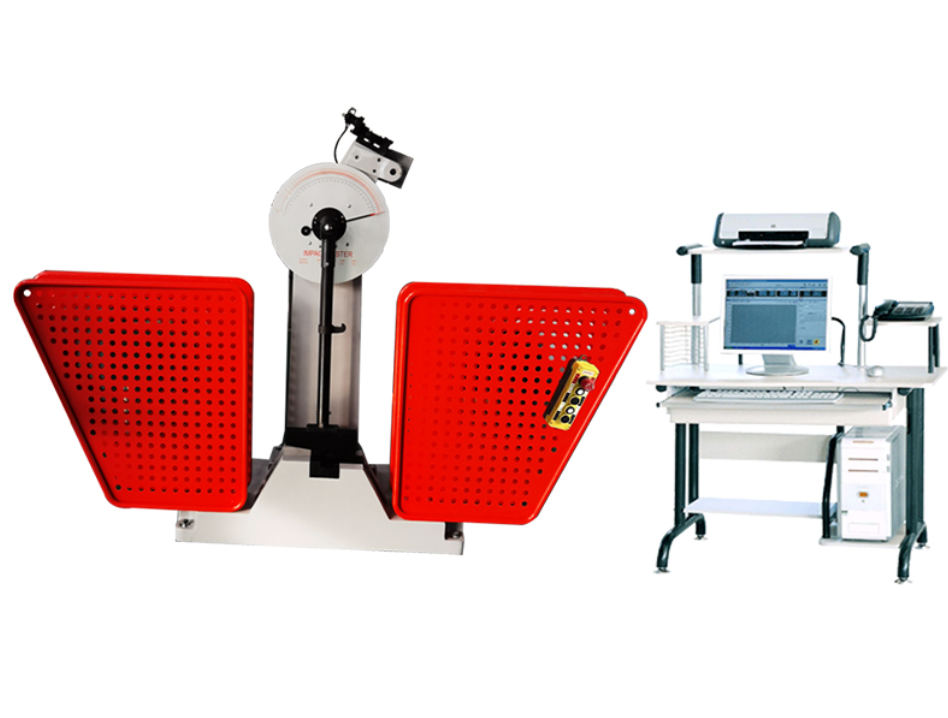
Key Applications in Industry and Material Science
The data from impact testing is indispensable across industries where component failure under sudden load can have severe safety or financial consequences. In metallurgy and construction, it is fundamental for grading structural steels, pipelines, and pressure vessels, ensuring they remain ductile and crack-resistant in cold environments. The automotive and aerospace sectors rely on it to validate materials for crashworthy structures, engine components, and landing gear, where energy absorption is paramount. For polymer and composite manufacturers, impact tests evaluate the toughness of plastic parts, from consumer product casings to safety helmets and bullet-resistant panels, often using modified tests like the Dynatup for plastics. Furthermore, impact testing is a crucial tool in failure analysis and quality control. A sudden drop in absorbed impact energy in a production batch can signal a shift in material processing, heat treatment issues, or contamination, prompting immediate corrective action. By providing a direct measure of a material's "real-world" fracture resistance, impact testing bridges the gap between controlled laboratory material properties and unpredictable service conditions, enabling engineers to design with confidence for demanding applications.
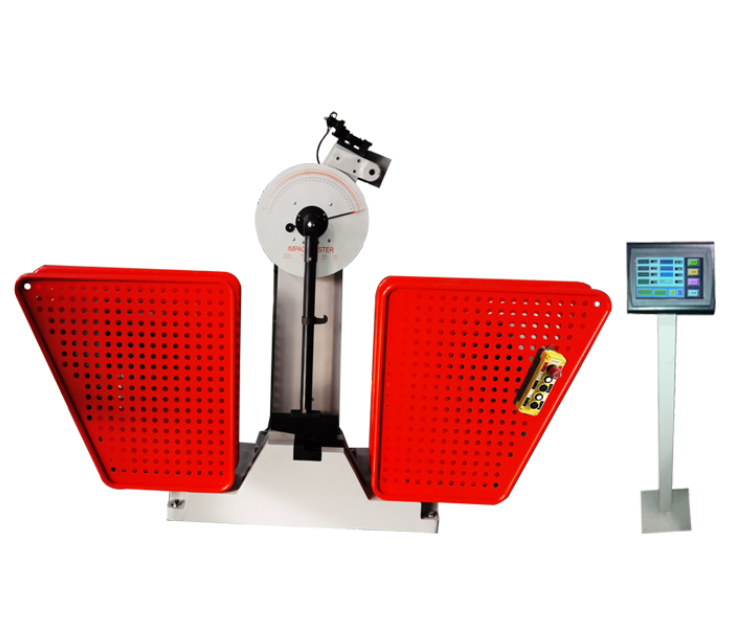
Selecting the Right Impact Tester and Interpreting Data
Selecting an appropriate impact testing machine requires careful consideration of the materials, standards, and data requirements. The choice between Charpy (specimen supported at both ends, struck in the middle) and Izod (specimen clamped vertically at one end, struck at the free end) is often dictated by industry standards like ASTM E23 for metals or ISO 179 for plastics. Machine capacity, measured in the maximum energy (Joules) the pendulum can deliver, must exceed the expected fracture energy of the toughest sample. Modern digital machines offer significant advantages over traditional analog dial types, including automated energy calculation, data storage, and software for analysis and report generation, which reduces operator error and improves repeatability. Data interpretation goes beyond simply reading a single energy value. Analysts examine the fracture surface appearance: a ductile, fibrous fracture with high energy absorption contrasts with a brittle, crystalline fracture with low energy. Testing specimens at a range of temperatures reveals the ductile-to-brittle transition curve, critical for materials used in variable climates. Suppliers like Skyline International, providing a range of pendulum impact testers, are vital partners. They offer not only reliable equipment compliant with international standards but also the application expertise to help clients select the correct configuration, perform valid calibrations, and understand the nuanced results that dictate material selection and process control.
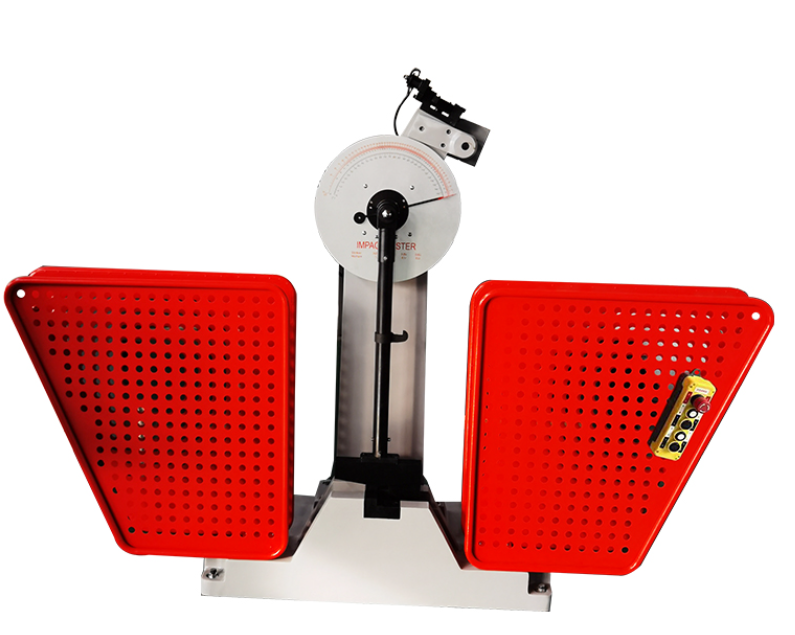
Impact testing machines provide an indispensable, direct assessment of a material's ability to withstand sudden shock—a property often not revealed by other mechanical tests. By quantifying absorbed energy and analyzing fracture behavior, they deliver critical insights into material toughness, ductile-brittle transitions, and overall structural integrity. From certifying steel for arctic pipelines to ensuring the crashworthiness of automotive polymers, impact test data is a cornerstone of safe and reliable design. Choosing the right tester and correctly interpreting its results, often with expert support, empowers industries to select superior materials, optimize processes, and prevent catastrophic failures, ensuring products perform reliably when it matters most.