


Bursting Strength Testers for Packaging Materials
Bursting Strength Testers for Packaging Materials
Simulating Real-World Stacking and Handling Stress
A Bursting Strength Tester is a vital instrument in packaging quality control, designed to measure the resistance of materials like corrugated cardboard, paperboard, and shipping sacks to rupture when subjected to uniformly distributed and increasing pressure. The test simulates the stresses encountered during stacking in warehouses, transportation, and manual handling. The core principle involves clamping a flat specimen securely over an expandable rubber diaphragm. Hydraulic or pneumatic pressure is then applied beneath the diaphragm, causing it to expand steadily against the material. The pressure increases at a controlled rate until the specimen ruptures. The maximum pressure sustained by the material before failure, measured in kilopascals (kPa) or pounds per square inch (psi), is recorded as its Bursting Strength or Mullen Burst Test value. This method, standardized by ISO 2758 for paper and ISO 2759 for board, provides a direct, quantitative measure of a material's durability and its ability to protect contents. Modern digital testers automate this process, ensuring precise control of the pressure increase rate and accurate digital readout of the peak burst value, eliminating human error from analog gauge interpretation.
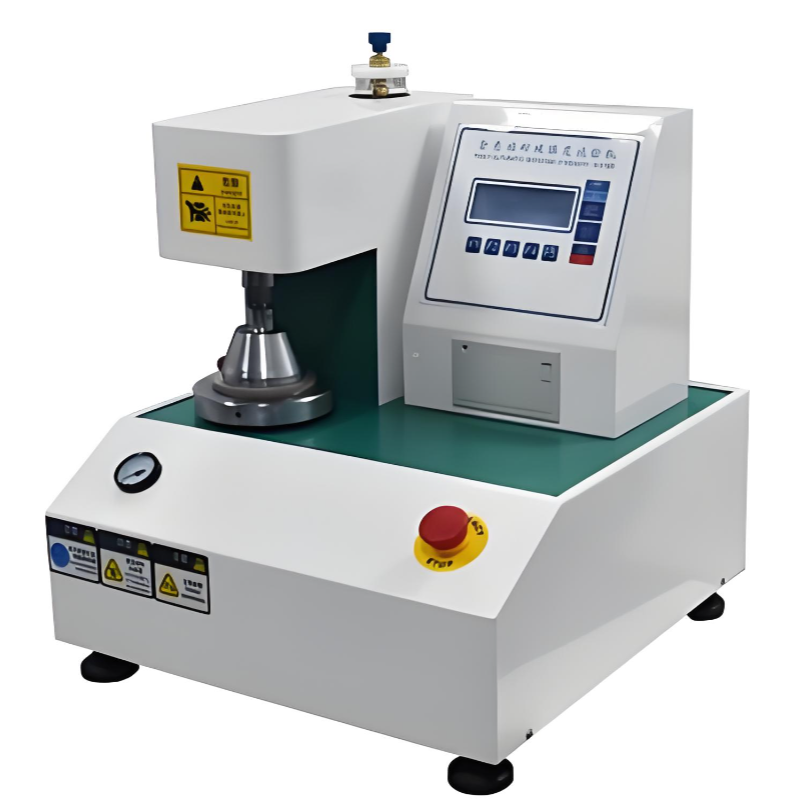
Critical Role in Quality Assurance and Supply Chain Confidence
The Bursting Strength test is more than a simple pass/fail check; it is a fundamental metric for quality assurance, specification compliance, and cost optimization throughout the packaging supply chain. For corrugated box manufacturers, it is the primary test to grade board and ensure finished boxes meet the performance requirements for their intended use (e.g., shipping, storage). A box with insufficient bursting strength risks catastrophic failure, leading to product damage, returns, and brand reputation loss. For brand owners and end-users, specifying and verifying bursting strength ensures their packaging can withstand the estimated stacking loads in logistics, preventing in-transit damage. It provides objective data to compare materials from different suppliers, negotiate pricing based on performance, and avoid over-engineering (using excessively strong, costly board) or under-engineering (using weak board that fails). Regular in-house testing with a reliable bursting tester, such as those supplied by quality assurance partners like Skyline International, allows for continuous monitoring of incoming raw materials and production batches. This proactive approach catches deviations early, prevents non-conforming product from reaching customers, and upholds contractual obligations to meet international transport safety standards.
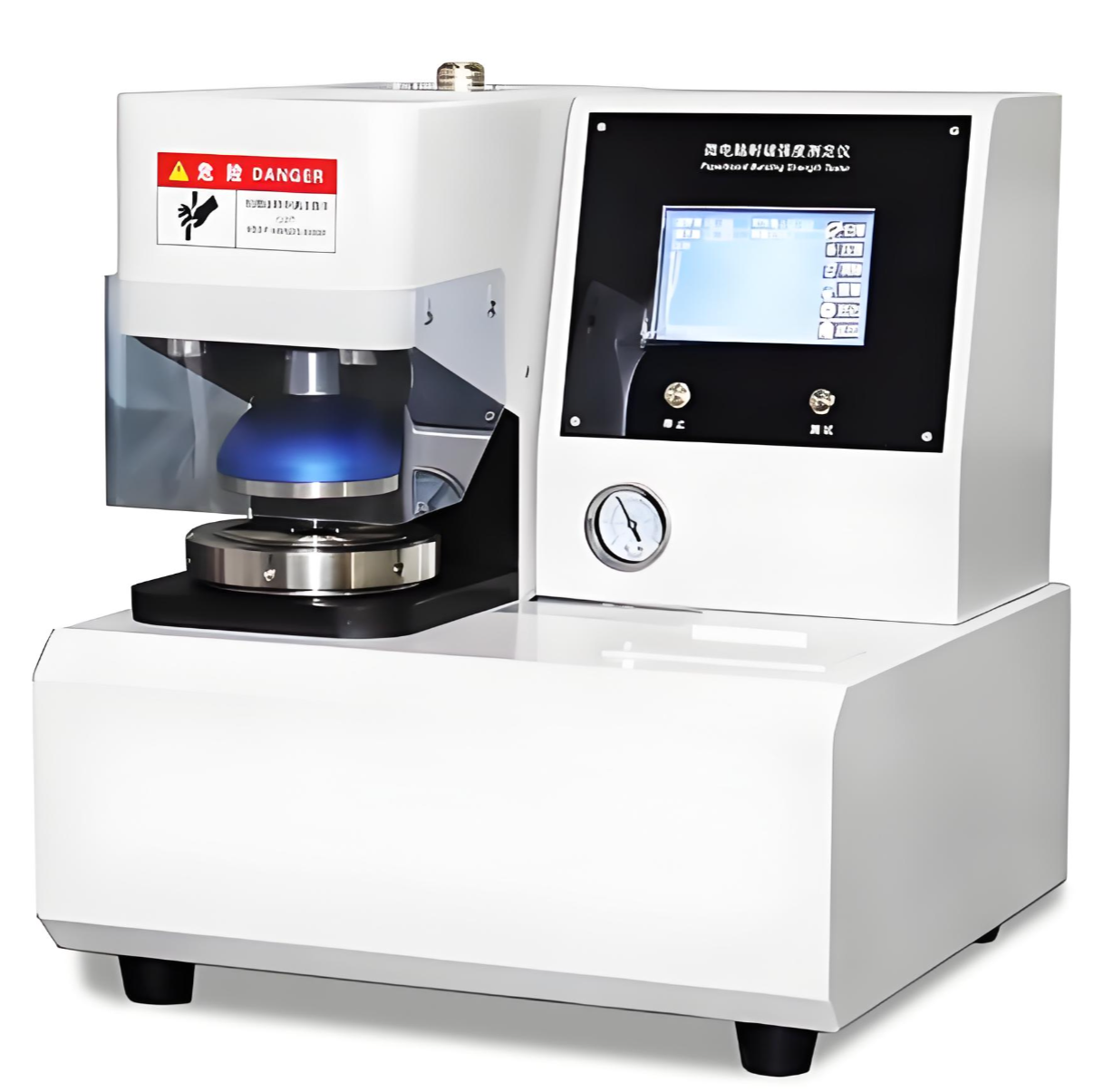
Selection and Integration: Choosing the Right Tester for Your Needs
Selecting the appropriate Bursting Strength Tester requires aligning its capabilities with specific operational needs and standards. Key considerations include Capacity and Range, ensuring the machine's maximum pressure (e.g., 1200 kPa, 5000 kPa) exceeds the expected burst values of the materials tested. Testing Standards Compliance is non-negotiable; the instrument must adhere to the required standards (ISO, TAPPI, ASTM, GB) with correct clamping area diameter, pressure increase rate, and diaphragm specifications. Automation and Data Handling features are crucial for efficiency; digital models with automated clamping, testing, and venting cycles, coupled with software for data storage, statistical analysis, and report generation, significantly enhance throughput and traceability in a QC lab. Durability and Serviceability are vital for continuous operation; a robust construction with high-quality components minimizes downtime. For laboratories testing a wide variety of materials, from thin papers to multi-ply corrugated board, a versatile tester with interchangeable clamps and diaphragms offers the best value. Integrating this tester into a broader quality control ecosystem—alongside instruments like ring crush testers (RCT) and puncture testers—provides a comprehensive picture of packaging material performance, enabling smarter, data-driven decisions that balance protection, cost, and sustainability.
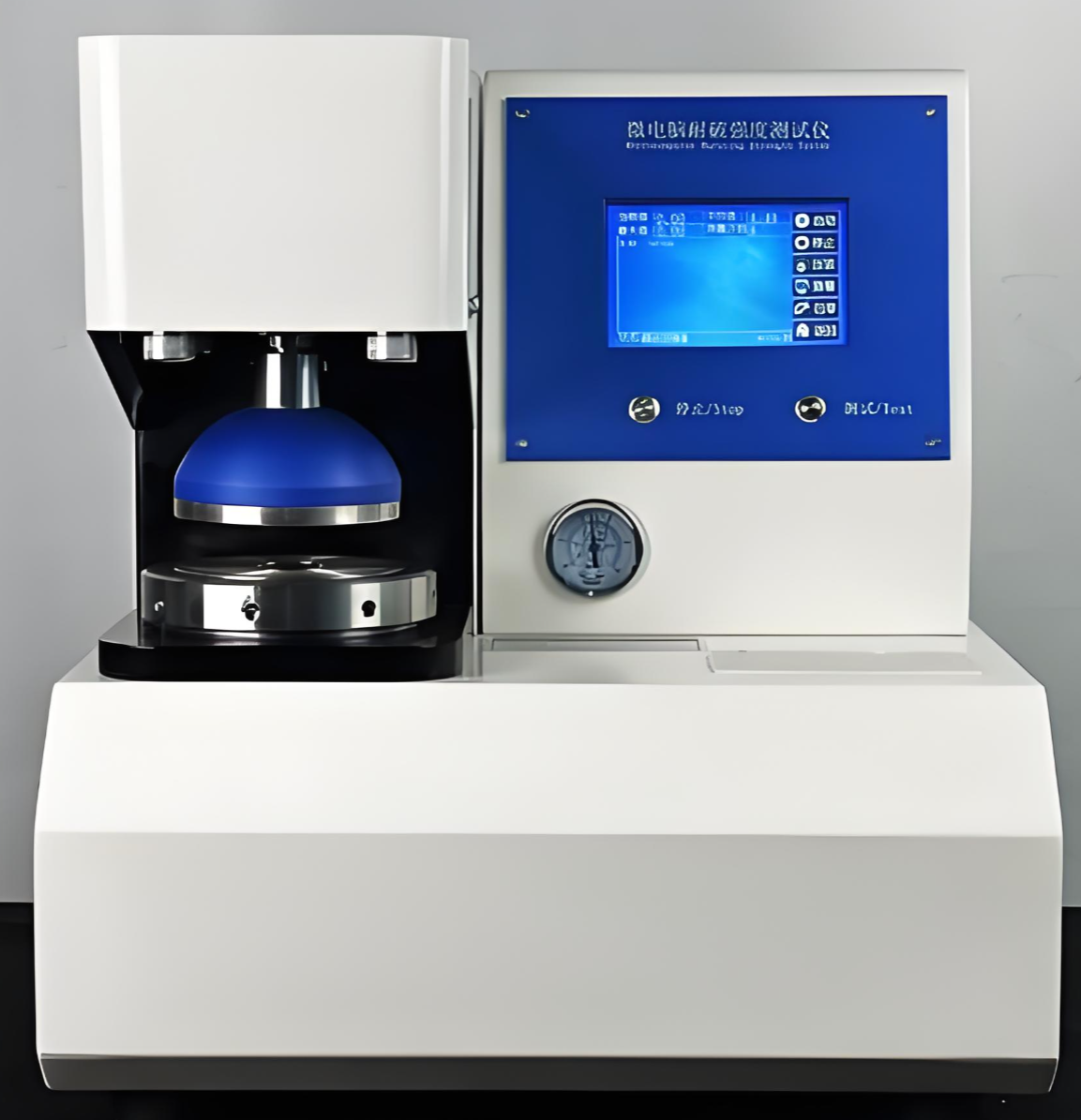
Bursting Strength Testers are indispensable guardians of packaging integrity, translating the complex physical stresses of the supply chain into a simple, reliable, and standardized metric. By accurately quantifying a material's resistance to rupture, they empower manufacturers to produce compliant, robust packaging and enable users to specify and verify performance with confidence. In a world where logistics chains are long and product protection is paramount, investing in precise, standards-compliant bursting strength testing is not just a quality control step—it is a strategic investment in supply chain resilience, brand protection, and operational efficiency.