


Applications of Universal Testing Machines in Polymer and Plastic Testing
Applications of Universal Testing Machines in Polymer and Plastic Testing
Fundamental Characterization: Tensile, Compression, and Flexural Properties
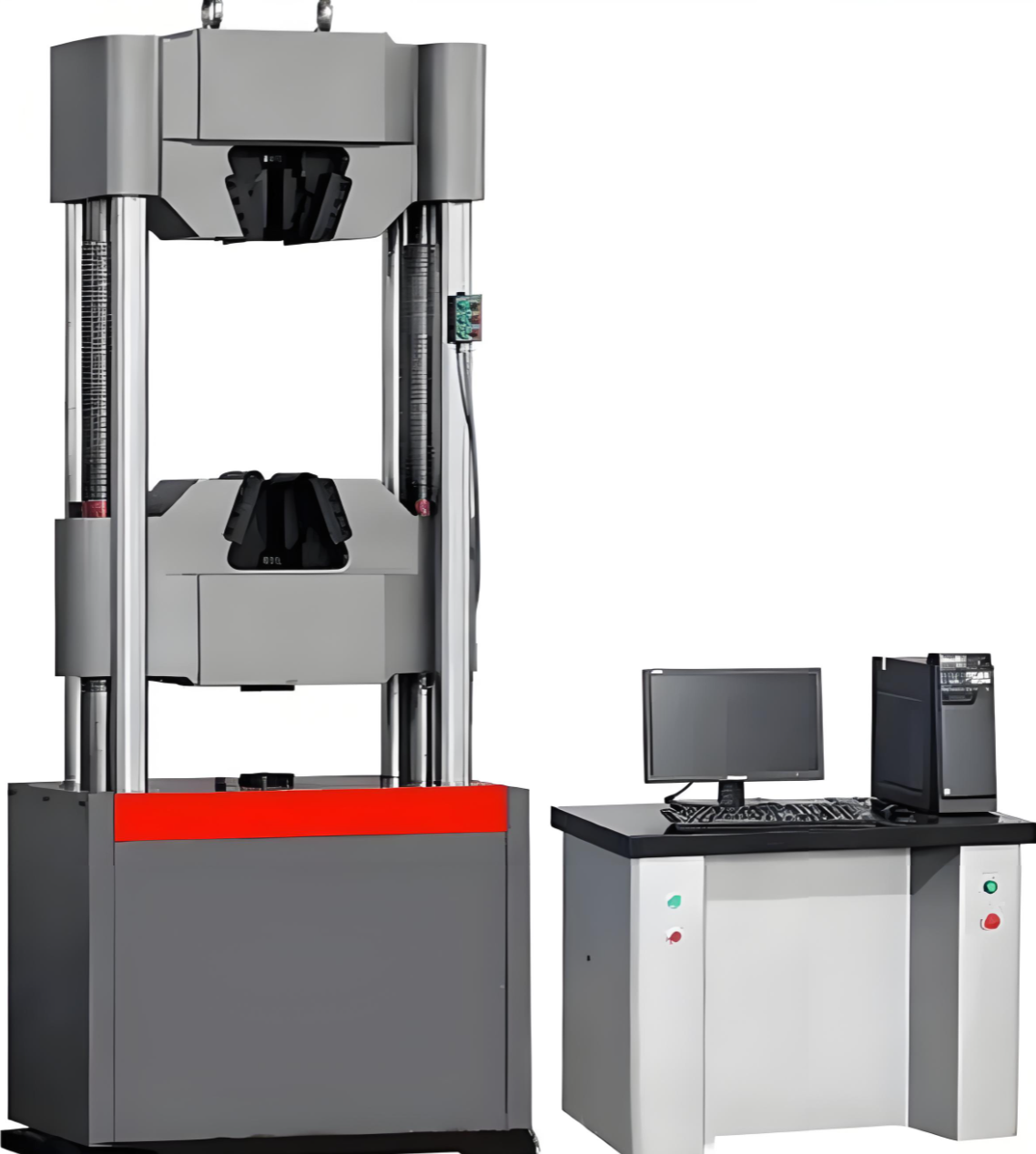
Universal Testing Machines (UTMs) are indispensable for quantifying the fundamental mechanical behavior of polymers and plastics. Tensile testing, a primary application, measures key parameters such as tensile strength, elongation at break, and elastic modulus (Young's Modulus). These values are critical for predicting how a plastic part will perform under stretching forces, determining its suitability for applications ranging from flexible packaging films to load-bearing automotive components. Compression testing assesses a material's behavior under crushing loads, essential for designing products like bottle caps, seals, and structural foams. Flexural or bend testing evaluates stiffness and strength under a three-point or four-point load, providing vital data for materials used in shelves, trays, and structural panels. By providing precise, standardized force-displacement curves, UTMs offer manufacturers objective data to grade materials, compare formulations, and ensure they meet the mechanical specifications required by international standards like ISO 527 and ASTM D638. This foundational characterization is the first step in linking molecular structure and additive packages to real-world performance.
Quality Control and Comparative Analysis of Formulations
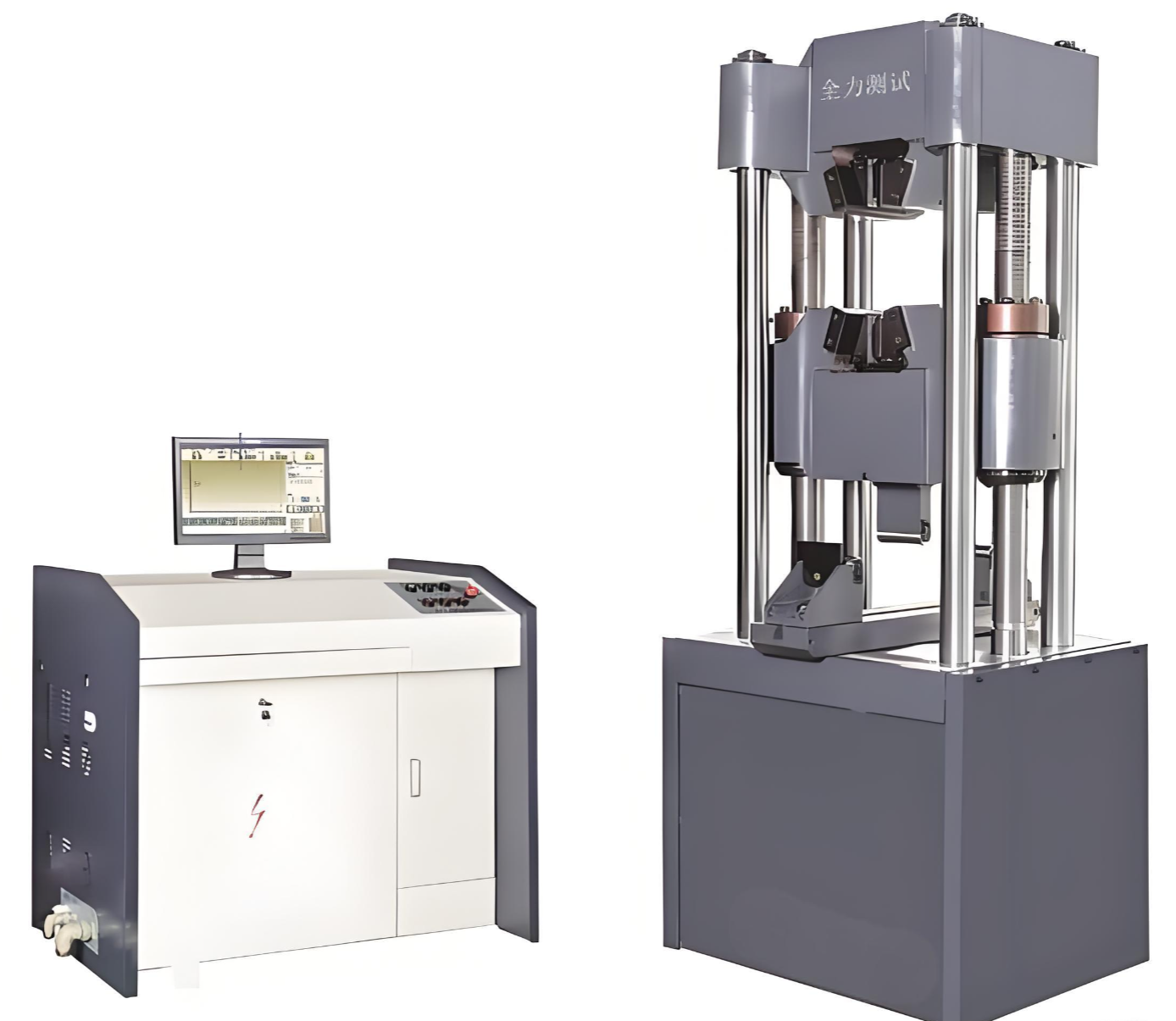
Beyond R&D, UTMs are the workhorses of quality control (QC) in plastic manufacturing. Production batches of raw polymer pellets or compounded materials can be routinely tested to verify consistency against a certified standard. This ensures that fluctuations in polymerization conditions, filler content, or plasticizer levels do not compromise the final product's integrity. UTMs are particularly powerful for conducting comparative analyses. For instance, they can objectively demonstrate how the addition of glass fibers increases tensile strength and modulus while potentially reducing elongation, or how different plasticizers affect flexibility and low-temperature performance. This capability is vital for cost-optimization projects, where engineers need to validate that a new, more affordable resin or recycled content blend meets the minimum performance thresholds. Skyline International provides both Electronic UTMs for high-precision, low-force testing of delicate plastic films and Hydraulic UTMs for high-force testing of rigid composites, enabling comprehensive QC across the entire spectrum of polymer materials.
Specialized Tests: Peel, Tear, Shear, and Long-Term Behavior
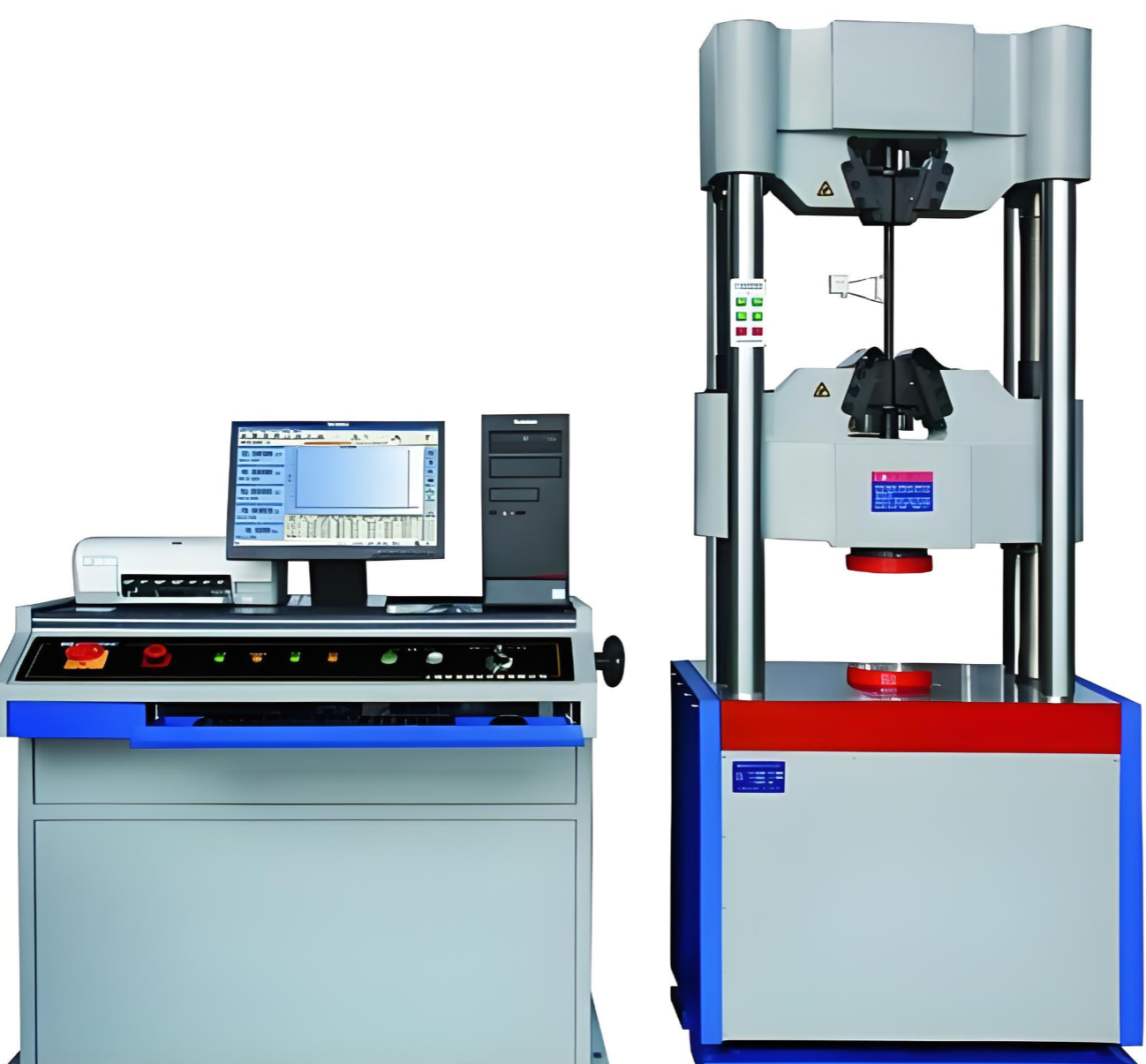
The versatility of modern UTMs allows them to perform specialized tests that simulate real-world stresses on plastic products and assemblies. Peel strength tests evaluate the bond integrity of adhesives used in laminates, labels, and flexible electronics. Tear resistance tests, such as the Elmendorf tear test, are crucial for assessing films and thin sheets used in packaging. Shear testing determines the strength of welded or bonded joints in plastic components. Furthermore, while basic UTMs perform static tests, advanced systems can be integrated with environmental chambers to study long-term behavior. This includes testing material properties at elevated temperatures, sub-zero conditions, or after prolonged UV exposure, providing insights into durability and aging. By equipping laboratories with adaptable UTMs and a wide range of grips and fixtures, suppliers like Skyline enable material scientists to not only assess basic properties but also predict how a plastic will perform in the specific, often demanding, conditions of its end-use application.
Universal Testing Machines serve as the critical bridge between the molecular design of polymers and their real-world utility. From fundamental property characterization in R&D to rigorous batch-by-batch quality control and specialized performance validation, UTMs generate the essential data that drives innovation, ensures consistency, and mitigates risk in the plastics industry. For companies relying on the predictable performance of polymeric materials, investing in the right UTM solution—and the expertise to leverage it fully—is not merely a laboratory expense but a strategic imperative for product reliability and market competitiveness.