-
03-16 2026
How X-ray Scanning Technology Enhances Quality Control in Manufacturing
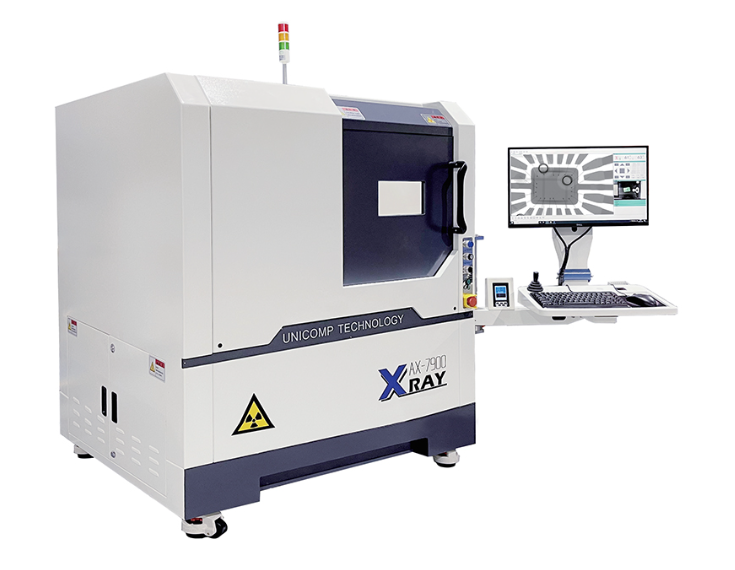
X-ray scanning technology represents a paradigm shift in manufacturing quality control. It elevates inspection from a surface-level, subjective activity to a deep, data-rich, and objective science. By making the invisible visible, enabling precise measurement and automation, and delivering significant safety and cost benefits, it has become an indispensable tool for ensuring product reliability, manufacturing efficiency, and brand integrity in an increasingly complex and demanding industrial landscape.
-
02-23 2026
How to Achieve a Scratch-Free, Mirror Finish on Your Metallographic Samples
Achieving a scratch-free, mirror finish on metallographic samples is a disciplined art rooted in precise science. It requires a meticulously followed sequence: starting with damage-minimized cutting, followed by systematic grinding and polishing with progressively finer abrasives, and culminating in careful etching and microscopic validation. Each step builds upon the previous, and any shortcut compromises the final result. By employing high-quality consumables, automated equipment for consistency, and proven methodologies, metallographers transform opaque metal samples into windows that reveal the true, undistorted internal microstructure. This flawless finish is not an aesthetic luxury but a fundamental necessity for obtaining reliable, high-contrast micrographs that form the basis of sound material characterization, precise failure diagnosis, and confident engineering decisions.
-
02-22 2026
The Role of Scanning Electron Microscopes in Material Science and Nanotechnology
The Scanning Electron Microscope is an indispensable pillar in modern material science and nanotechnology. By providing unprecedented visualization of micro and nanoscale structures and coupling it with powerful chemical and crystallographic analysis, the SEM delivers the comprehensive insights needed to understand material behavior, innovate new products, and ensure manufacturing quality. From fundamental research exploring novel nanomaterials to industrial quality control on high-tech production lines, the SEM's role in illuminating the hidden details that govern material performance is irreplaceable, making it a critical investment for any organization operating at the forefront of technology and materials development.
-
02-21 2026
Bursting Strength Testers for Packaging Materials
Bursting Strength Testers are indispensable guardians of packaging integrity, translating the complex physical stresses of the supply chain into a simple, reliable, and standardized metric. By accurately quantifying a material's resistance to rupture, they empower manufacturers to produce compliant, robust packaging and enable users to specify and verify performance with confidence. In a world where logistics chains are long and product protection is paramount, investing in precise, standards-compliant bursting strength testing is not just a quality control step—it is a strategic investment in supply chain resilience, brand protection, and operational efficiency.
-
02-20 2026
Impact Testing Machines: Evaluating Material Toughness and Resistance to Sudden Loads
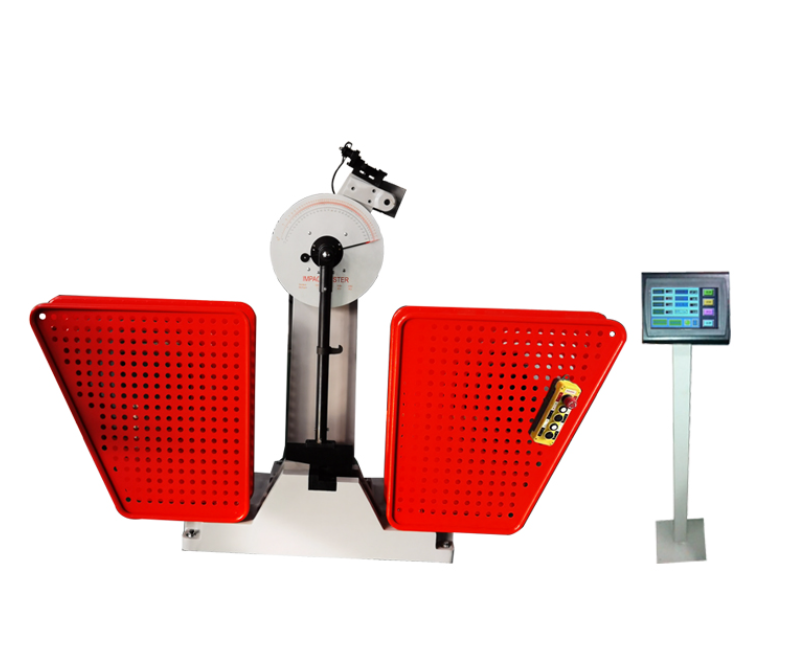
Impact testing machines provide an indispensable, direct assessment of a material's ability to withstand sudden shock—a property often not revealed by other mechanical tests. By quantifying absorbed energy and analyzing fracture behavior, they deliver critical insights into material toughness, ductile-brittle transitions, and overall structural integrity. From certifying steel for arctic pipelines to ensuring the crashworthiness of automotive polymers, impact test data is a cornerstone of safe and reliable design. Choosing the right tester and correctly interpreting its results, often with expert support, empowers industries to select superior materials, optimize processes, and prevent catastrophic failures, ensuring products perform reliably when it matters most.
-
02-19 2026
Selecting the Right X-ray System Resolution and Power for Your Application
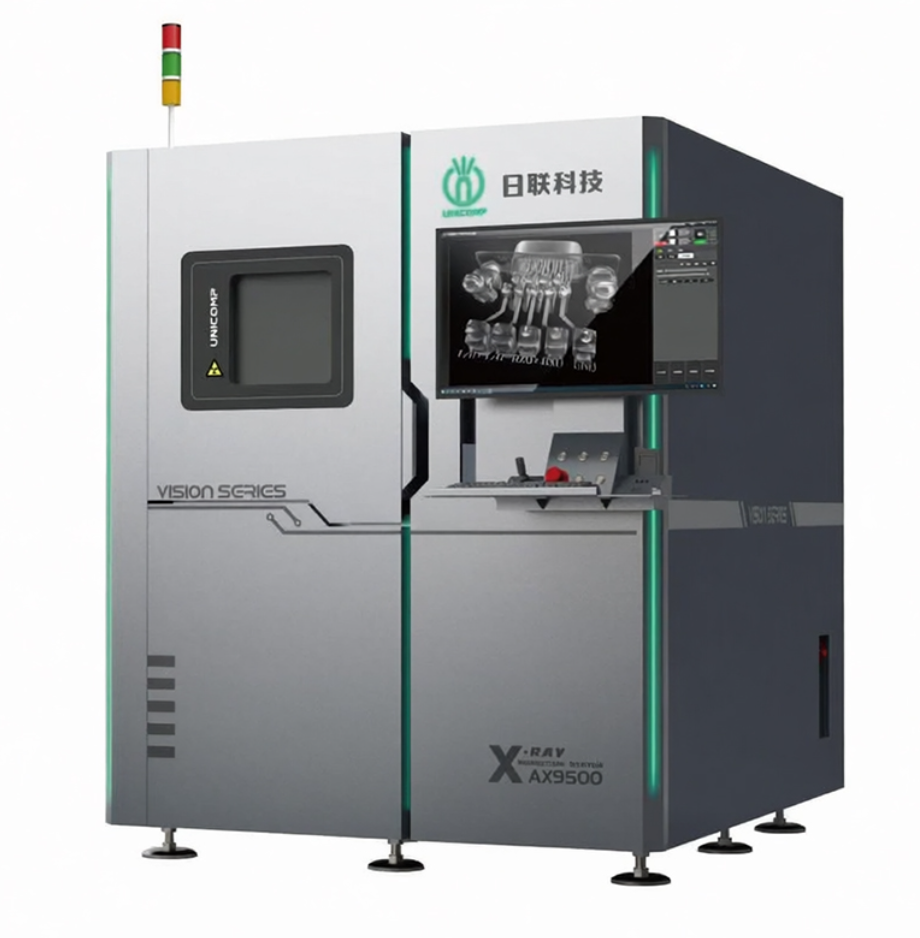
Choosing the optimal X-ray inspection system is a critical investment that hinges on a precise understanding of your detection goals, sample characteristics, and operational context. Resolution defines the fineness of detailyou can see, while power determines the depth and densityof material you can inspect. These two parameters are intrinsically linked and must be balanced against each other and against practical factors like throughput, sample size, and future needs. A strategic, application-driven approach, supported by expert guidance from a trusted supplier, ensures you select a system that not only reveals hidden defects with clarity but also integrates seamlessly into your quality control or analysis workflow, delivering reliable insights and protecting your product integrity for years to come.