


Choosing the Right WiFi Testing Instrument for R&D and Production Environments
Choosing the Right WiFi Testing Instrument for R&D and Production Environments
Defining Core Requirements: R&D Verification vs. Production Efficiency
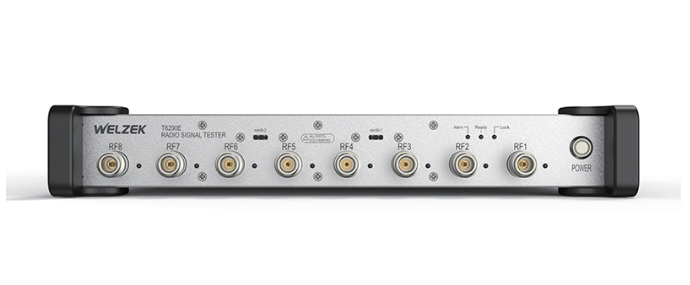
The selection of a WiFi testing instrument is not a one-size-fits-all decision; it fundamentally depends on the distinct objectives and constraints of the Research and Development (R&D) phase versus the Production phase. In R&D environments, the primary need is for deep, flexible, and analytical capability. Engineers require instruments that offer comprehensive protocol decoding, the ability to test against future WiFi standards (like Wi-Fi 6E and Wi-Fi 7), and detailed analysis of signal integrity, packet error rates, and throughput under various channel conditions and interference scenarios. The focus is on design validation, debugging, and ensuring the device meets all functional specifications. Here, versatility and analytical depth are paramount. Conversely, in a high-speed Production or Manufacturing Test environment, the priorities shift dramatically to speed, repeatability, and cost-effectiveness. The goal is not to debug but to perform a rapid Go/No-Go test, verifying that each unit coming off the line has basic RF functionality, connects to an access point, and achieves a minimum data rate. The instrument must be fast, easy to operate, and integrate seamlessly into an automated test sequence, often as part of a larger test rack. A WiFi tester for production must prioritize high throughput and reliability to keep pace with manufacturing lines without becoming a bottleneck. Understanding this fundamental dichotomy between R&D validation and production screening is the critical first step in the selection process.
Key Instrument Specifications and Capabilities to Evaluate
Once the primary use case (R&D or Production) is clear, the evaluation must focus on concrete technical specifications and capabilities. Several key parameters are non-negotiable. First is supported standards and frequency bands. The instrument must cover all protocols (802.11a/b/g/n/ac/ax/be) and bands (2.4GHz, 5GHz, 6GHz for Wi-Fi 6E/7) that the Device Under Test (DUT) requires, both now and for future-proofing. Second is testing functionality. For R&D, this includes conformance testing (validating against official IEEE/alliance standards), performance testing (measuring maximum data throughput, latency, and roaming behavior), and RF parametric testing (measuring transmit power, spectrum mask, and receiver sensitivity). For production, a streamlined set of functional tests (association, ping, throughput) and RF parametric tests are typically sufficient. Third, consider the form factor and interface. R&D may utilize sophisticated benchtop analyzers with rich graphical user interfaces (GUIs) for deep analysis. Production lines often require modular instruments that can be rack-mounted and controlled via SCPI commands or APIs for seamless integration into automated test executives. Finally, calibration and support are critical. The instrument should have a clear, manageable calibration cycle to ensure ongoing accuracy, and the supplier should offer strong technical support. Partnering with a knowledgeable provider like Xinhe (Skyline Vietnam) ensures access to instruments matched to these specifications and the application expertise to deploy them effectively.
Integration, Scalability, and Total Cost of Ownership (TCO)
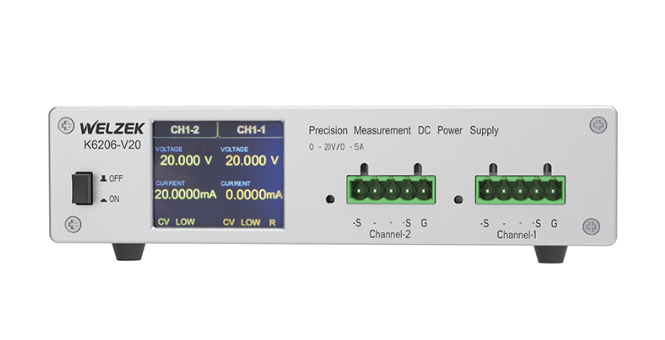
The final, strategic consideration extends beyond the instrument itself to its integration into your workflow and its long-term value. For Production Test, integration capability is paramount. The chosen WiFi testing solution must easily connect with other test equipment (e.g., power supplies, digital I/O) and be programmable via common interfaces (GPIB, LAN, USB) to create a unified, automated test station. This minimizes manual intervention, reduces test time, and eliminates human error. Scalability is also crucial. A solution that can test a single device today should be able to scale to support parallel testing of multiple DUTs tomorrow, dramatically increasing production throughput without a complete system overhaul. This brings us to the ultimate metric: Total Cost of Ownership (TCO). The initial purchase price is just one component. A wise selection factors in the cost of maintenance and calibration, the ease of use (impacting operator training time), the speed of testing (directly affecting production yield and labor costs), and the instrument's longevity and ability to be upgraded. A slightly more expensive instrument that is faster, more reliable, and easily integrated can have a far lower TCO than a cheaper alternative that causes line slowdowns and requires constant troubleshooting. Selecting a future-proof platform, with support for emerging standards and scalable architecture, protects your investment and ensures your testing capability evolves with your products and market demands.
Related product and article resources
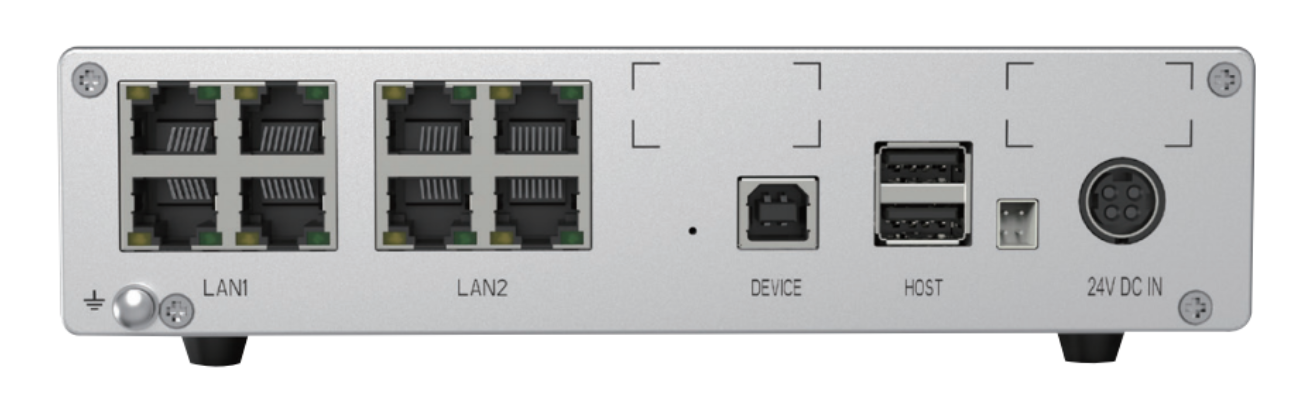
For procurement comparison and technical evaluation, readers can continue with these related product pages and supporting articles.
Choosing the right WiFi testing instrument is a strategic decision that balances technical requirements with operational and financial realities. By clearly distinguishing between the analytical needs of R&D and the efficiency demands of production, meticulously evaluating key specifications like supported standards and form factor, and strategically considering integration, scalability, and Total Cost of Ownership, organizations can select a solution that not only validates product performance but also accelerates development cycles and optimizes manufacturing efficiency. The right instrument, supported by expert guidance, becomes a powerful enabler of quality, innovation, and market success in the connected world.