


The Role of Environmental Chambers in Automotive and Electronics Manufacturing
The Role of Environmental Chambers in Automotive and Electronics Manufacturing
Accelerated Life and Reliability Testing: Predicting Failure Before It Happens
In the high-stakes realms of automotive and electronics manufacturing, product failures in the field are not merely inconvenient; they are catastrophic for brand reputation, safety, and financial liability. This is where environmental test chambers transition from laboratory equipment to a strategic insurance policy. These precision instruments simulate years, even decades, of real-world environmental stress in a matter of days or weeks through accelerated life testing. By subjecting components, sub-assemblies, and final products to extreme, yet controlled, conditions—such as rapid temperature cycling between -40°C and +150°C, sustained high humidity, or intense thermal shock—manufacturers can proactively identify design weaknesses, material fatigue, and latent defects. For a car's electronic control unit (ECU) destined for Arctic winters or desert summers, or a smartphone's circuitry exposed to tropical humidity, this pre-emptive validation is non-negotiable. Partnering with expert suppliers like Xinhe (Skyline Vietnam) ensures access to chambers that deliver precise, repeatable conditions, turning unpredictable field failures into predictable, solvable engineering challenges during the design phase.
Validating Performance Under Extreme and Combined Stressors
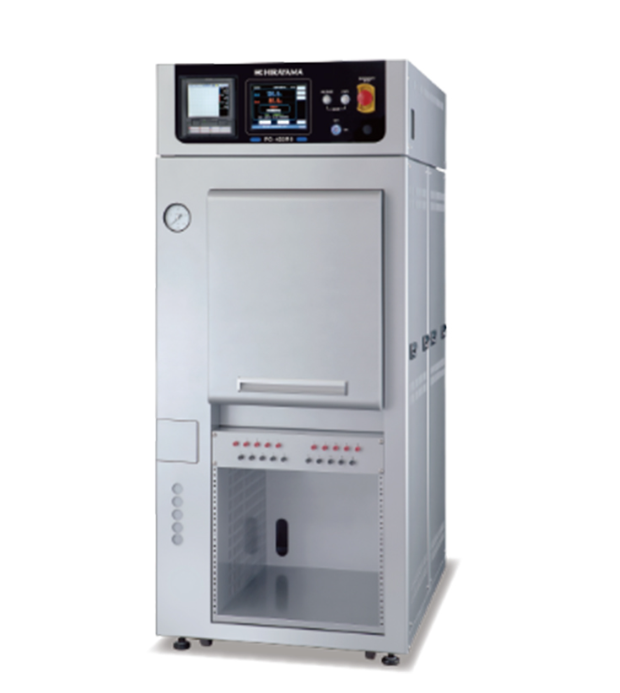
Modern automotive and electronic products must operate flawlessly not under a single stress, but under a complex combination of environmental factors. An environmental test chamber excels at replicating these combined environmental stresses. For instance, it can simulate the simultaneous effects of high temperature and high humidity (often called "THB testing" or "damp heat") to test for corrosion, electrochemical migration, and insulation breakdown in printed circuit boards (PCBs). It can recreate the vibrational stresses of a rough road combined with temperature extremes to test mounting brackets and solder joints. Specialized chambers, such as thermal shock test chambers, rapidly alternate between extreme hot and cold zones, testing the resilience of materials with different coefficients of thermal expansion—a critical test for semiconductor packages and automotive sensors. This capability for highly accelerated stress testing (HAST) or temperature and humidity cycling allows manufacturers to validate that their products will withstand the specific, harsh conditions of their intended application, be it under a car hood, inside a wearable device, or on an outdoor telecommunications tower.
Ensuring Quality, Compliance, and Time-to-Market Efficiency
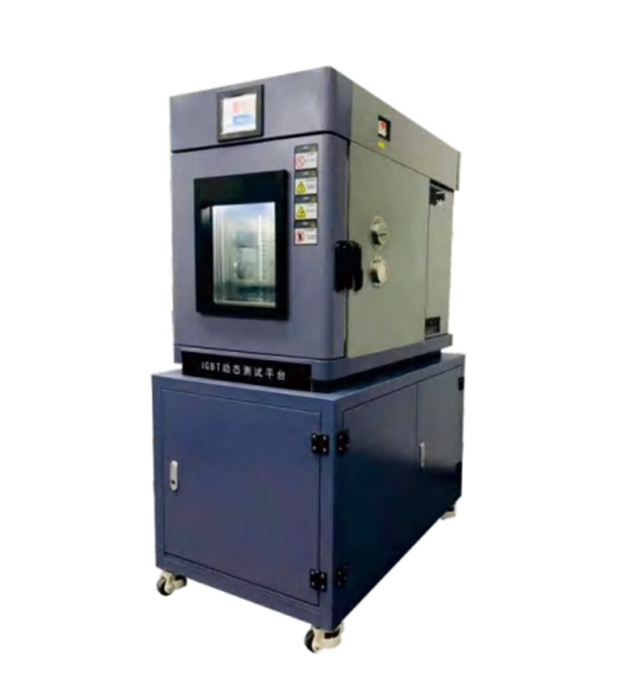
Beyond pure engineering validation, environmental stress screening (ESS) using test chambers is a cornerstone of quality management and regulatory compliance. In the automotive industry, adherence to stringent standards like those from the International Automotive Task Force (IATF) and specific Original Equipment Manufacturer (OEM) requirements is mandatory. Chambers enable standardized testing to prove compliance. Similarly, in electronics, tests for resistance to moisture, thermal cycling, and thermal shock are often prerequisites for certifications and market access. Furthermore, integrating environmental testing early and throughout the product development cycle drastically improves efficiency. Identifying a faulty capacitor or a cracking housing in a controlled chamber during prototype testing is exponentially less costly than a recall campaign for thousands of fielded units. It compresses the time from design to mass production by eliminating late-stage failures. For manufacturers, this means that a reliable, precisely controlled test chamber is not an expense but a critical investment in quality assurance, risk mitigation, and achieving a faster, more confident time-to-market for robust, reliable products.
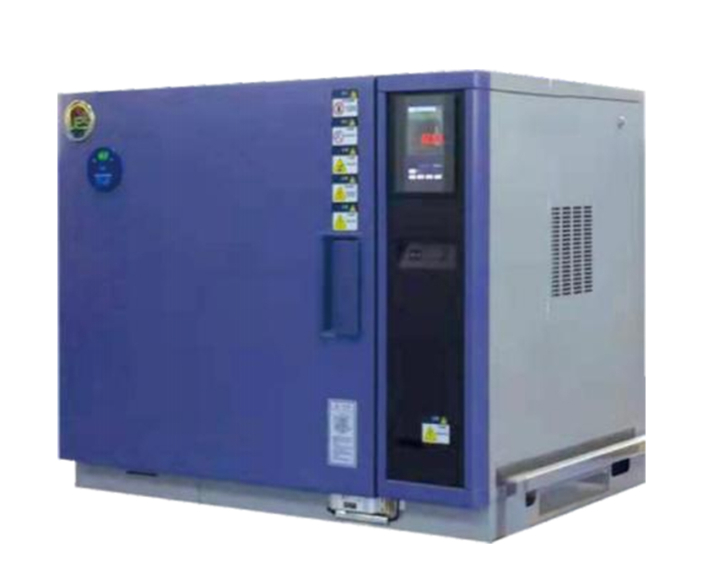
Environmental test chambers are indispensable engines of innovation and reliability in automotive and electronics manufacturing. They transform environmental uncertainty into quantifiable data, enabling engineers to design products that are not only functional but also exceptionally durable and safe. By faithfully simulating the harshest real-world conditions within the confines of the lab, these chambers empower manufacturers to prevent failures, ensure compliance, accelerate development, and ultimately, deliver products that earn and keep customer trust in an increasingly demanding global market.