-
06-07 2026
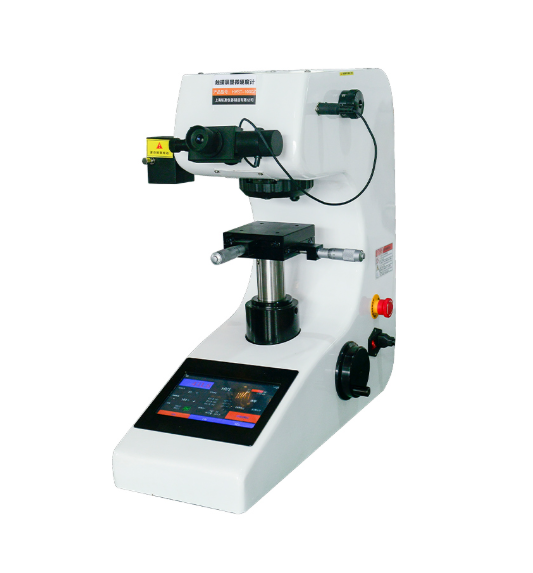
Micro Vickers Hardness Tester RFQ Checklist for QC Labs
A practical RFQ checklist for QC labs sourcing Micro Vickers hardness testers, automatic hardness testing systems, metallographic preparation equipment and calibration accessories.
-
05-29 2026
Complete Metallographic & Hardness Testing Lab Setup For Industrial QC
A metallographic and hardness testing laboratory should be planned as one connected quality control workflow. The goal is not only to buy several machines, but to create a reliable process from sample cutting to final report. For industrial buyers, the best lab setup depends on material type, testing purpose, daily workload, required standards, report needs, and future expansion plans. A simple lab may only need basic cutting, polishing, and hardness testing. A more advanced lab may need automatic sample preparation, Micro Vickers case depth analysis, metallurgical microscopy, image software, and full report traceability. Before building or upgrading a QC lab, provide your material details, sample information, testing standards, and workflow requirements. This allows the supplier to recommend a practical, scalable, and cost-effective laboratory solution.
-
05-18 2026
How To Build A Metallographic And Hardness Testing Laboratory For Industrial QC
A metallographic and hardness testing laboratory should be planned as one connected quality control workflow. The goal is not just to buy several machines, but to create a reliable process from sample cutting to final report. When sample preparation, hardness testing, microscopy, calibration, data management, and operator training are planned together, the lab can deliver more stable and trustworthy results. For industrial buyers, the best lab setup depends on material type, testing purpose, daily workload, required standards, report needs, and future expansion plans. A simple lab may only need basic cutting, polishing, and hardness testing. A more advanced lab may need automatic sample preparation, Micro Vickers case depth analysis, metallurgical microscopy, image software, and full report traceability. Before building or upgrading a QC lab, provide your material details, sample information, testing standards, and workflow requirements. This allows the supplier to recommend a practical, scalable, and cost-effective laboratory solution.
-
05-17 2026
How To Choose A Metallographic Cutting Machine For Metal Sample Preparation
A metallographic cutting machine should be selected based on the real sample material, size, hardness, shape, and final testing purpose. For hardness testing and microstructure analysis, the cutting process must control heat, deformation, cracks, and surface damage. Buyers should check cutting capacity, machine rigidity, cutting wheel compatibility, coolant system, clamping fixtures, feed control, safety design, and maintenance support before ordering. If the laboratory prepares many different sample types, flexible fixtures and proper cutting wheel recommendations are especially important. A suitable cutting machine improves the entire sample preparation workflow. It reduces grinding time, protects the material structure, improves polishing quality, and supports more reliable hardness testing and metallographic analysis.
-
05-16 2026
What Buyers Should Check Before Ordering A Metallographic Grinding And Polishing Machine
A metallographic grinding and polishing machine should be selected according to sample material, preparation volume, surface quality requirement, operator skill, and laboratory workflow. Manual machines are economical for low-volume use. Semi-automatic and automatic systems are better for repeatable QC preparation and higher sample throughput. Buyers should check disc size, speed control, pressure mode, sample holder compatibility, consumable matching, cooling and drainage, safety design, and after-sales support before ordering. For laboratories that perform Vickers, Micro Vickers, coating, weld, or case depth testing, preparation quality directly affects final measurement reliability. A well-matched grinding and polishing machine helps reduce sample rework, improve surface consistency, and support more reliable hardness testing and metallographic analysis.
-
05-12 2026
How To Choose A Complete Hardness Testing Solution For A Quality Control Lab
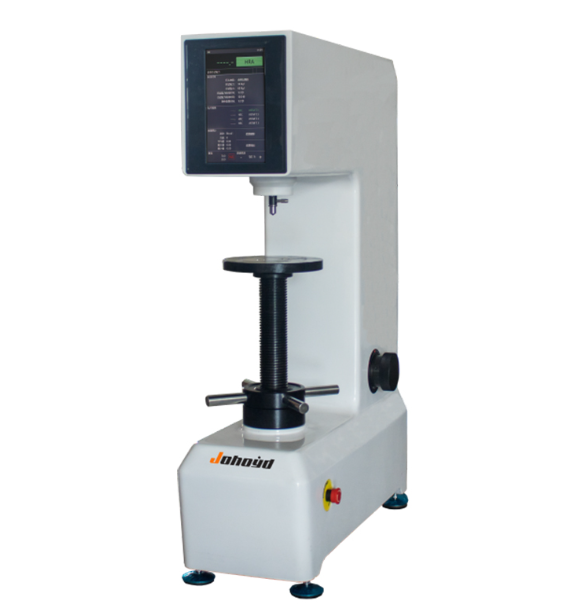
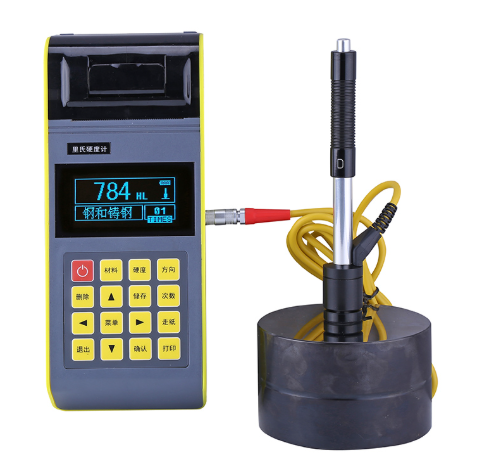
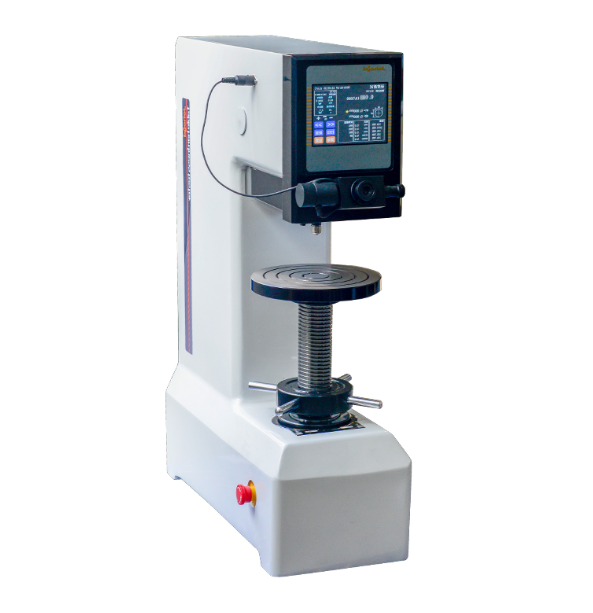
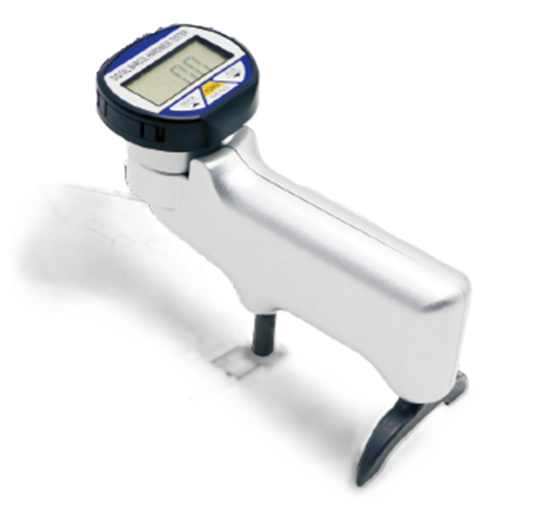
A complete hardness testing solution should be designed around the real quality control workflow. The right solution may include hardness testers, sample preparation equipment, calibration blocks, indenters, fixtures, software, and reporting tools. When these elements work together, the lab can achieve better accuracy, repeatability, efficiency, and traceability. Buyers should avoid choosing equipment only by price or single-machine specifications. Instead, they should define the material types, testing methods, sample preparation needs, testing volume, and reporting requirements first. This makes it easier to select a solution that is practical, scalable, and suitable for long-term industrial quality control. If you are building a new QC lab or upgrading an existing one, provide your sample information and testing goals before quotation. A complete technical recommendation can help reduce equipment mismatch and improve laboratory performance from the beginning.
-
05-10 2026
Metallographic Cutting, Mounting, Grinding And Polishing: A Complete Workflow
Metallographic cutting, mounting, grinding, and polishing should be treated as one connected workflow. Each step affects the next step, and the final surface quality directly influences hardness testing accuracy, microscope observation clarity, and laboratory efficiency. A reliable workflow helps laboratories prepare samples with less damage, better flatness, stronger edge retention, clearer indentation visibility, and more repeatable results. For factories and testing centers, this means fewer retests, faster sample turnaround, and stronger quality documentation. When selecting equipment, buyers should consider the complete process instead of purchasing each machine separately without workflow planning. The right combination of cutting machine, mounting press, grinding and polishing machine, consumables, cleaning tools, hardness tester, and microscope can significantly improve laboratory quality control performance.
-
05-09 2026
How To Prepare Metallographic Samples Before Hardness Testing
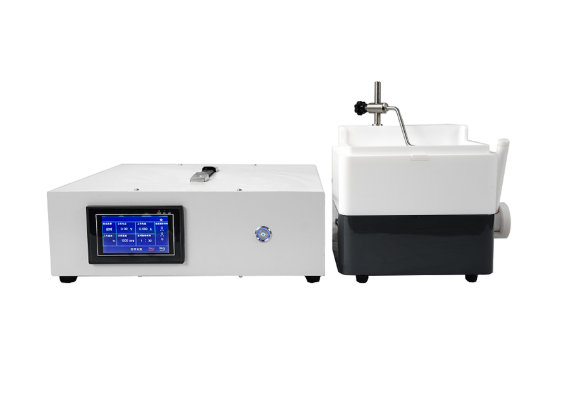
Metallographic sample preparation is an important part of hardness testing accuracy. A properly cut, mounted, ground, polished, cleaned, and supported sample helps produce clear indentations and repeatable hardness values. This is especially important for Vickers, Micro Vickers, coatings, case depth analysis, weld sections, and small precision components. Buyers should not treat sample preparation as a secondary process. The hardness tester and preparation equipment should be selected together according to material type, sample geometry, testing method, daily workload, and documentation requirements. A complete preparation workflow can reduce testing errors, improve laboratory efficiency, and make quality control results more trustworthy for production teams, customers, and inspection records.
-
04-30 2026
What Really Matters In Metallographic Equipment Procurement: Sample Preparation Or Microscope Quality
In metallographic equipment procurement, what really matters most is not a single microscope specification but the ability of the whole system to prepare and reveal the real structure correctly and repeatedly. Buyers who understand this make stronger laboratory investments and get more dependable metallographic evidence over time.
-
04-05 2026
Why Sample Preparation Capability Matters More Than Just The Microscope In Metallographic Equipment Procurement
in metallographic equipment procurement, sample preparation capability matters more than just the microscope because preparation quality determines whether the real structure can be revealed, whether results can be repeated, and whether the laboratory can work efficiently in daily practice. A microscope is essential, but it only shows what the specimen allows it to show. For serious buyers, the smarter decision is to choose a complete metallographic solution with strong cutting, mounting, grinding, polishing, consumable support, and application guidance. That is what turns metallography from a beautiful demonstration into a reliable quality-control tool.