-
04-28 2026
How To Avoid Choosing The Wrong Shore Hardness Tester For Rubber And Plastic Products
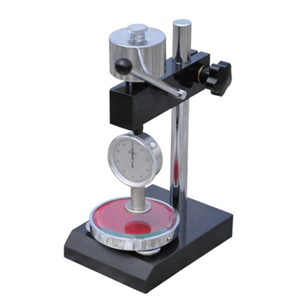
To avoid choosing the wrong Shore hardness tester, buyers should match the scale to the material, control the sample condition and test method, and evaluate how easily the instrument can be standardized in daily use. The right tester is the one that supports clear, repeatable decisions on the buyer’s real products.
-
04-27 2026
What Makes A Microhardness Tester Suitable For Thin Coatings And Precision Materials
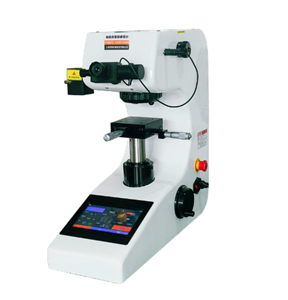
A microhardness tester becomes suitable for thin coatings and precision materials when it combines stable low-load control, strong indentation visibility, precise positioning, and realistic application support. Buyers should judge the whole measurement system, not only the load range, if they want dependable results in demanding micro-scale work.
-
04-25 2026
What Should Buyers Check Before Purchasing A Rockwell Hardness Tester For Production Lines
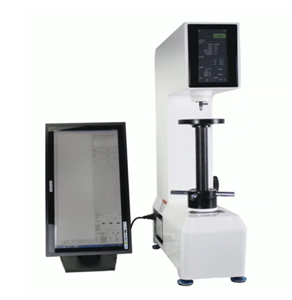
Before purchasing a Rockwell hardness tester for a production line, buyers should verify part fit, batch-use stability, and long-term support. When those three areas are aligned, Rockwell testing becomes one of the most efficient and dependable tools in routine quality control.
-
02-06 2026
Top 5 Applications of Portable Leeb Hardness Testers in Metal Manufacturing
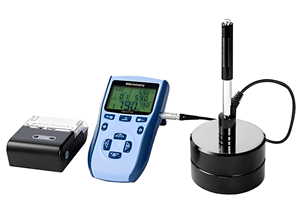
In summary, portable Leeb hardness testers have revolutionized quality control in metal manufacturing by providing instant, reliable, and non-destructive hardness data directly where it is needed. From ensuring raw material conformity to optimizing in-process parameters and safeguarding the integrity of massive field-deployed assets, these versatile tools enhance agility, reduce costs, and fortify quality assurance at every stage. By integrating portable Leeb testers from trusted providers like Skyline International, manufacturers can build a more responsive, efficient, and quality-centric production chain, capable of meeting the stringent demands of modern industry.
-
02-02 2026
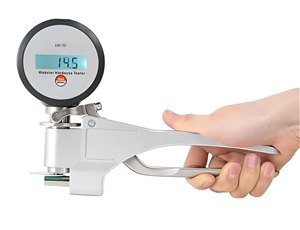
The Application of Webster Hardness Testers in Aluminum Alloy Industry
In summary, the Webster hardness tester is an exceptionally valuable instrument for the aluminum alloy industry. Its portability, speed, and non-destructive nature make it ideal for on-the-spot hardness verification, from incoming material inspection to in-process control and final product auditing. Its testing principle is well-suited to the properties of aluminum, providing reliable data that can be correlated to standard scales. Supported by the products and technical services from Suzhou Xinhe and Skyline International, manufacturers can leverage Webster testers to enhance efficiency, reduce costs, and ensure the consistent quality of their aluminum products in a competitive global market.
-
01-26 2026
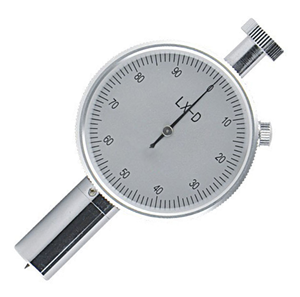
Shore Durometer Scales Explained
In summary, mastering the nuances of Shore Durometer scales—from the versatile Shore A to the hard-plastic-focused Shore D and the soft-material-oriented Shore O—is fundamental for anyone involved in the production or specification of non-metallic materials. By selecting the correct scale and following rigorous testing protocols, manufacturers can guarantee material quality, performance, and durability. Suzhou Xinhe Measurement Instrument Co., Ltd. and Skyline International serve as vital partners in this endeavor, offering the precise instruments, expert guidance, and reliable after-sales support necessary to navigate the complexities of material hardness testing with confidence.