


Shore Durometer Scales Explained
Shore Durometer Scales Explained
Understanding the Fundamentals of Shore Hardness and Its Importance
In the world of polymers, elastomers, and soft plastics, quantifying material hardness is critical for ensuring product performance, quality control, and compliance with industry specifications. While methods like Rockwell or Vickers are suited for metals, the Shore Durometer is the globally recognized standard for measuring the indentation hardness of softer materials. As a leading supplier of precision measurement instruments, Suzhou Xinhe Measurement Instrument Co., Ltd. provides a range of reliable Shore Durometer testers to help manufacturers make informed decisions about material selection and consistency. The principle is straightforward: a calibrated spring applies a force to a standardized indenter foot, and the depth of indentation is measured on a defined scale, known as the Shore Scale. Understanding the different scales—primarily Shore A, Shore D, and Shore O—is the first step in performing an accurate and meaningful test, ensuring that materials from rubber gaskets to hard plastic helmets meet their intended design criteria.
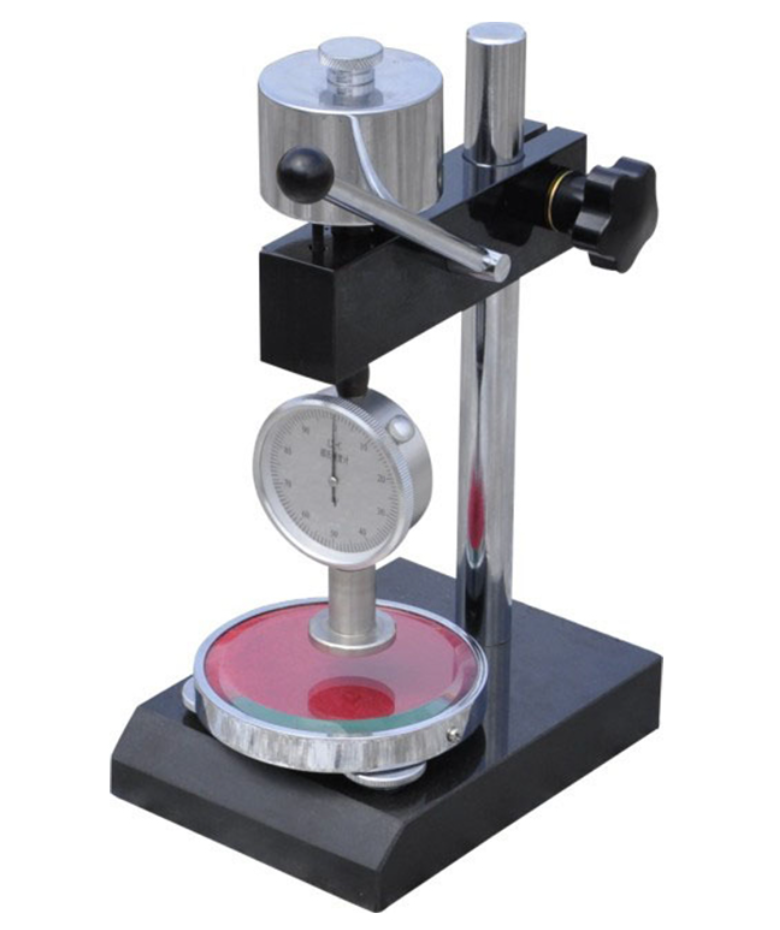
A, D, and O and Their Applications
The selection of the correct Shore scale is paramount, as using an inappropriate scale will yield inaccurate and misleading results. The most common scales are distinguished by the geometry of the indenter and the force applied by the spring. Shore A Scale is the most frequently used scale. It employs a truncated cone indenter and is suitable for a wide range of medium-soft to medium-hard materials, such as soft rubber, elastomers, and thermoplastic elastomers (TPEs). Typical applications include testing automotive tires, rubber seals, and shoe soles. Shore D Scale utilizes a sharper, 30-degree cone indenter and a higher spring force. It is designed for harder materials, including rigid thermoplastics like polycarbonate and ABS, hard rubber, and ebonite. For very soft gels, foams, and soft sponges, the Shore O Scale (and its variants like OO) is the appropriate choice. It uses a larger diameter spherical indenter and lower spring force to prevent excessive penetration into soft, compliant materials. Companies like Skyline International in Vietnam assist manufacturers in selecting the correct Durometer Hardness Tester and scale for their specific application, ensuring compliance with standards like ASTM D2240.
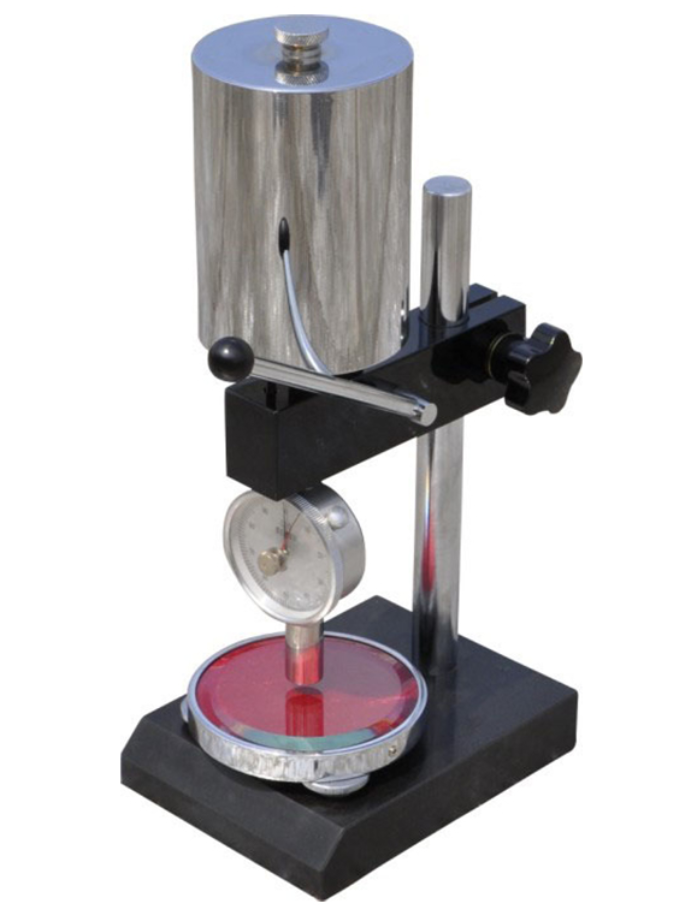
Best Practices for Accurate Shore Durometer Testing and Measurement
Obtaining consistent and reliable Shore hardness readings requires strict adherence to standardized testing procedures. Key factors influencing the result include sample thickness, testing temperature, indentation time, and the calibration state of the durometer itself. The test sample must be sufficiently thick (typically at least 6 mm) to prevent any underlying hard surface from affecting the reading. The durometer must be pressed perpendicularly onto a flat, smooth sample surface with a firm, steady pressure until the foot makes complete contact. The reading should be taken after the specified dwell time (usually 15 seconds as per ASTM standards) to allow the material to relax. Regular calibration of the durometer against a certified test block is essential to maintain measurement traceability and accuracy. Suzhou Xinhe not only supplies high-quality Shore Hardness Testers but also provides crucial technical support, calibration services, and repair through its technical department, helping customers avoid common pitfalls and ensure their quality control processes yield dependable data.
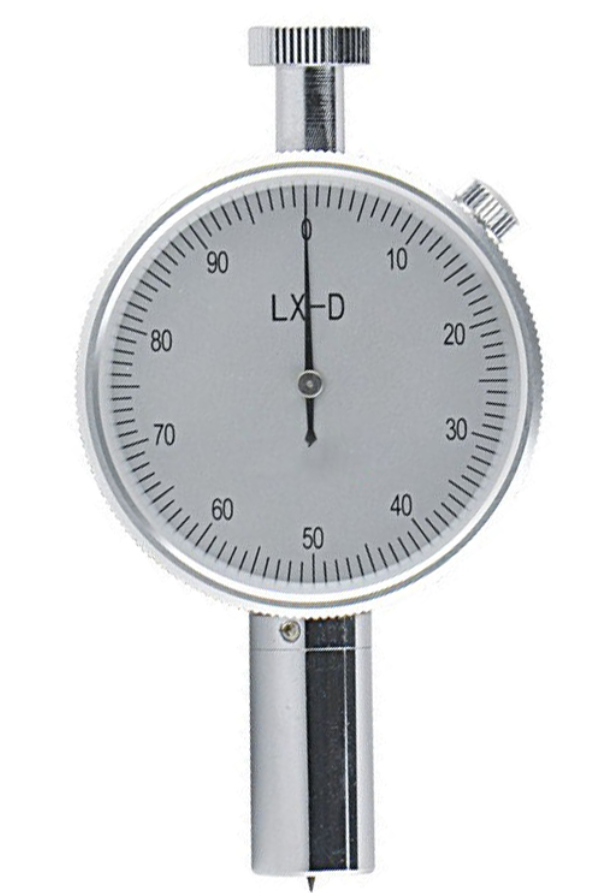
In summary, mastering the nuances of Shore Durometer scales—from the versatile Shore A to the hard-plastic-focused Shore D and the soft-material-oriented Shore O—is fundamental for anyone involved in the production or specification of non-metallic materials. By selecting the correct scale and following rigorous testing protocols, manufacturers can guarantee material quality, performance, and durability. Suzhou Xinhe Measurement Instrument Co., Ltd. and Skyline International serve as vital partners in this endeavor, offering the precise instruments, expert guidance, and reliable after-sales support necessary to navigate the complexities of material hardness testing with confidence.