


How To Avoid Choosing The Wrong Shore Hardness Tester For Rubber And Plastic Products
Shore hardness testing is common in rubber, plastic, elastomer, foam, and soft polymer production. Because the method appears simple, buyers often assume the purchasing decision is also simple. In practice, many selection problems come from choosing the wrong Shore scale, ignoring sample thickness and support, or underestimating how operator technique affects results. A Shore tester can be a useful and efficient quality tool, but only when the device, method, and product type are matched correctly. Buyers who skip that matching step often get inconsistent readings and poor decision value.
Choose The Correct Shore Scale For The Material Family
The most common mistake is treating all soft materials as if one Shore scale can cover them all. In reality, Shore A, Shore D, and other scales are designed for different material hardness ranges and product behaviors. Rubber seals, soft elastomers, rigid plastics, semi-rigid polymers, and foams do not respond the same way under indentation. Buyers should define the main product family first and then confirm which Shore scale best fits that range. Without that step, even a well-made instrument can produce results that are technically valid but commercially unhelpful.
This is why buyers should not ask only for a general-purpose Shore hardness tester. They should ask whether the instrument is being selected for rubber goods, plastic housings, tubing, seals, footwear parts, foams, or another application group. Once the product type is clear, scale selection becomes much safer and the risk of buying the wrong device drops significantly.
Sample Thickness, Support, And Operator Method Matter Greatly
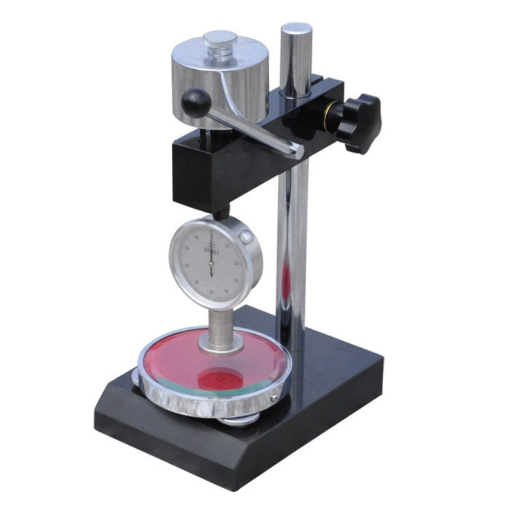
Shore testing is quick, but that does not mean it is free from technique sensitivity. Sample thickness, flatness, support condition, contact speed, and hold time can all influence the reading. Thin samples or poorly supported products may show values that reflect backing effects rather than the true material behavior. Buyers should therefore assess not only the tester itself but also how their real products will be presented during testing. A handheld gauge may be enough for some checks, while a test stand may be better for stronger repeatability.
A good procurement discussion should include practical sample examples and routine test conditions. Buyers should ask how many pieces are tested each day, who performs the test, whether readings are compared across shifts, and how much variation is acceptable. If the testing process is not standardized, the instrument will be blamed for variation that actually comes from poor technique. Correct method control is part of correct instrument selection.
Think About Verification, Standardization, And Daily Use Value
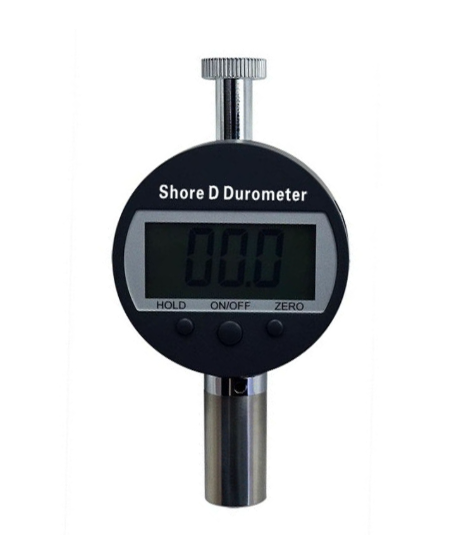
Shore hardness testers are often purchased as routine shop-floor tools, so standardization is very important. Buyers should compare ease of zero checking, availability of reference blocks, readability of the scale, durability of the instrument body, and whether operating instructions can be standardized across users. An instrument that is cheap but hard to standardize can create more cost through disputes and repeated checks than a better-supported model with slightly higher price.
Long-term value also depends on whether the supplier understands the buyer’s material family and testing purpose. A strong supplier should help define scale selection, fixture needs, method limits, and simple control rules for daily production. That is how buyers avoid choosing the wrong Shore hardness tester: not by chasing the lowest quote, but by choosing the instrument that makes the testing routine clearer, more stable, and easier to trust.
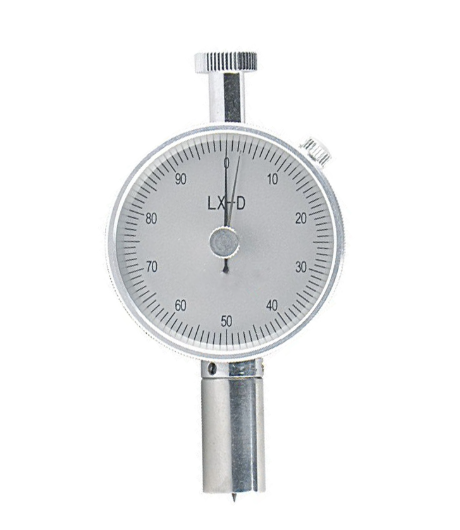
To avoid choosing the wrong Shore hardness tester, buyers should match the scale to the material, control the sample condition and test method, and evaluate how easily the instrument can be standardized in daily use. The right tester is the one that supports clear, repeatable decisions on the buyer’s real products.