


The Application of Webster Hardness Testers in Aluminum Alloy Industry
The Application of Webster Hardness Testers in Aluminum Alloy Industry
The Need for Portable Hardness Testing in Aluminum Production and Processing
The aluminum alloy industry, spanning from aerospace components to automotive parts and consumer electronics, demands rigorous quality control to ensure material performance and consistency. A critical parameter in this control is hardness, which correlates strongly with properties like strength, wear resistance, and the effectiveness of heat treatments such as aging. While traditional bench-top hardness testers like Rockwell and Vickers offer high precision, they are often impractical for testing large, assembled, or irregularly shaped components on the production floor or at the point of receipt. This is where the Webster hardness tester finds its vital niche. As a portable, hand-held instrument, the Webster tester provides a rapid, non-destructive method for measuring the hardness of aluminum alloys. Its ability to deliver immediate results directly on the workpiece makes it an indispensable tool for on-site quality verification, incoming material inspection, and rapid sorting of materials in warehouses and production lines. Suzhou Xinhe Measurement Instrument Co., Ltd. supplies robust and reliable Webster testers, enabling aluminum processors to make quick and informed decisions without the need to cut samples for laboratory testing, thereby saving significant time and cost.
Ideal Suitability for Aluminum Alloy Characteristics
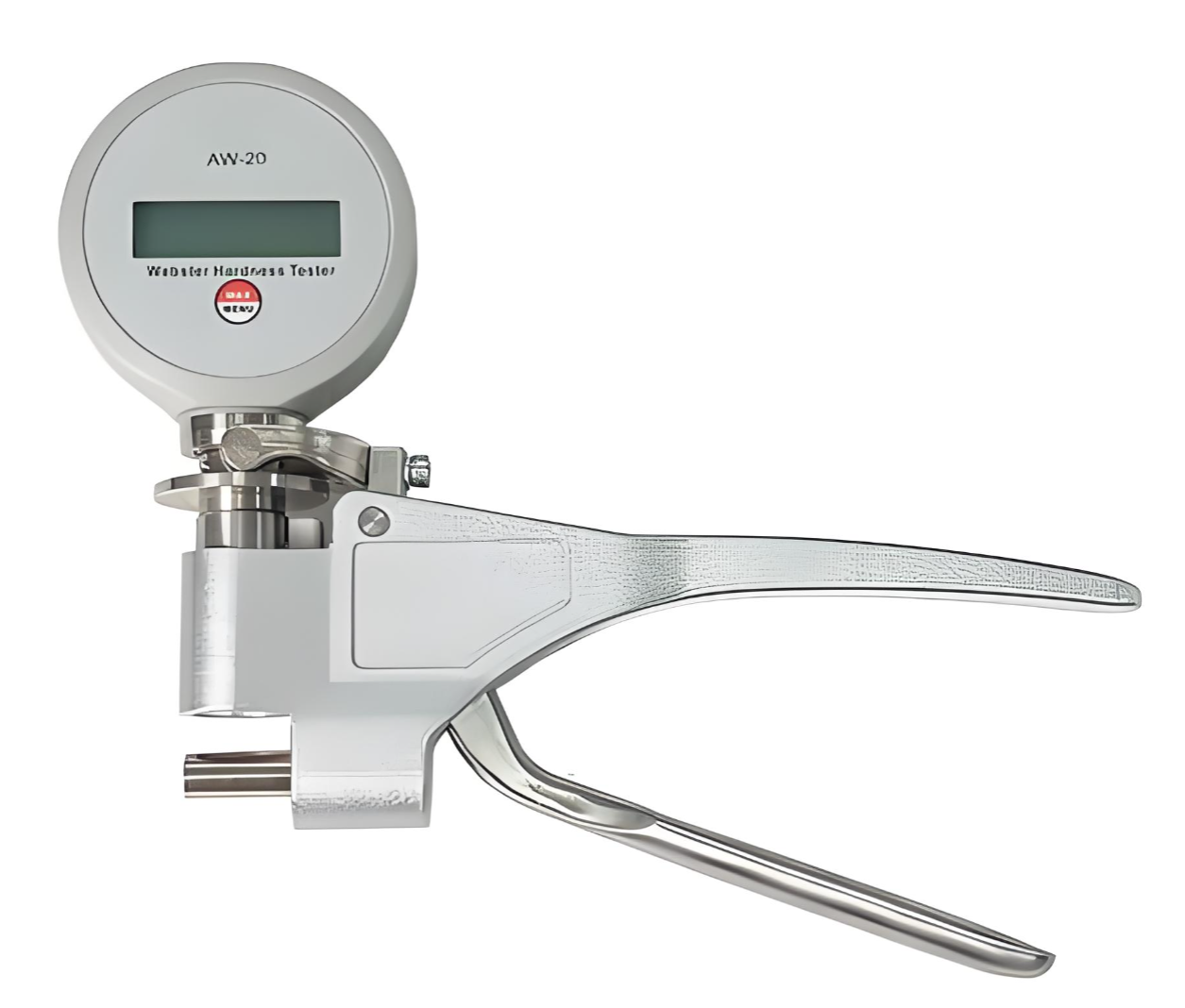
The Webster hardness tester operates on a well-established principle that is particularly well-suited for the characteristics of aluminum alloys. The instrument uses a calibrated spring to load a specific indenter (a truncated tungsten carbide ball) into the material surface. The depth of indentation is then measured and converted into a Webster hardness value (HW). This method is highly effective for aluminum alloys because it applies a load that is sufficient to produce a measurable indentation without causing excessive deformation that could compromise thin-walled or finished components. The tester is lightweight, easy to operate, and requires minimal sample preparation—often just a smooth, flat surface free of thick oxide layers or paint. This makes it perfect for checking the hardness of aluminum sheets, extrusions, castings, and even welded joints. For companies like Skyline International serving the growing manufacturing sector in Vietnam, the Webster tester is a go-to solution for ensuring that aluminum materials used in construction, automotive manufacturing, and electronics meet the specified hardness requirements before they are integrated into final products, preventing costly rework and failures.
Implementing Webster Testing for Process Control and Correlation with Standard Scales
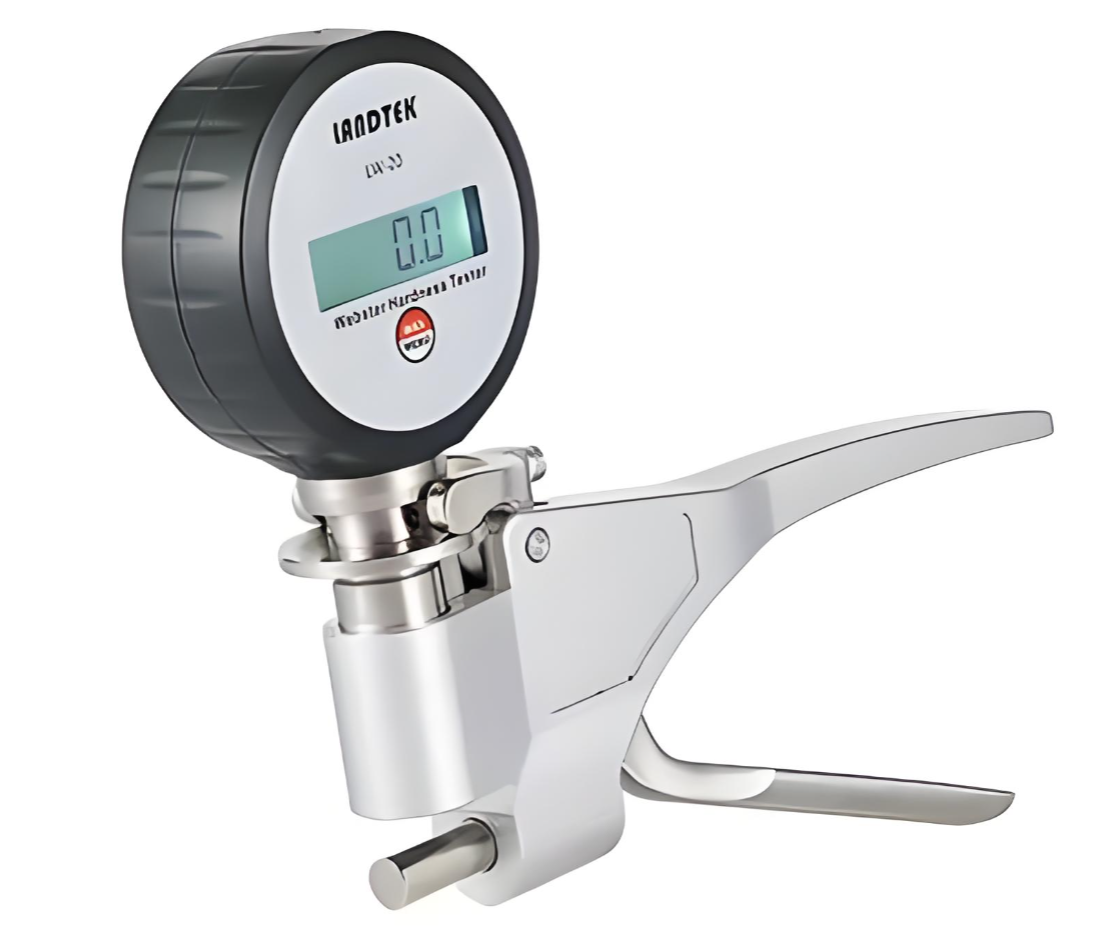
A key advantage of the Webster hardness tester is its utility in process control throughout the aluminum production chain. It can be used to verify the consistency of solution heat treatment and artificial aging processes by performing rapid checks on samples from different batches. This allows for immediate feedback and adjustments to the furnace parameters, ensuring uniform material properties. Furthermore, while the Webster scale is unique, reliable correlations have been established between Webster hardness values and other scales like Brinell (HB) and Vickers (HV) for specific aluminum alloy series. This enables manufacturers to approximate the results they would get from more time-consuming laboratory tests. For accurate and traceable measurements, regular calibration of the Webster tester against a certified test block is essential. Suzhou Xinhe, with its technical expertise and repair center, provides calibration services and support, ensuring that the instruments maintain their accuracy over time. This comprehensive support makes the Webster tester not just a testing tool, but a integral part of a robust quality assurance system for the aluminum industry.
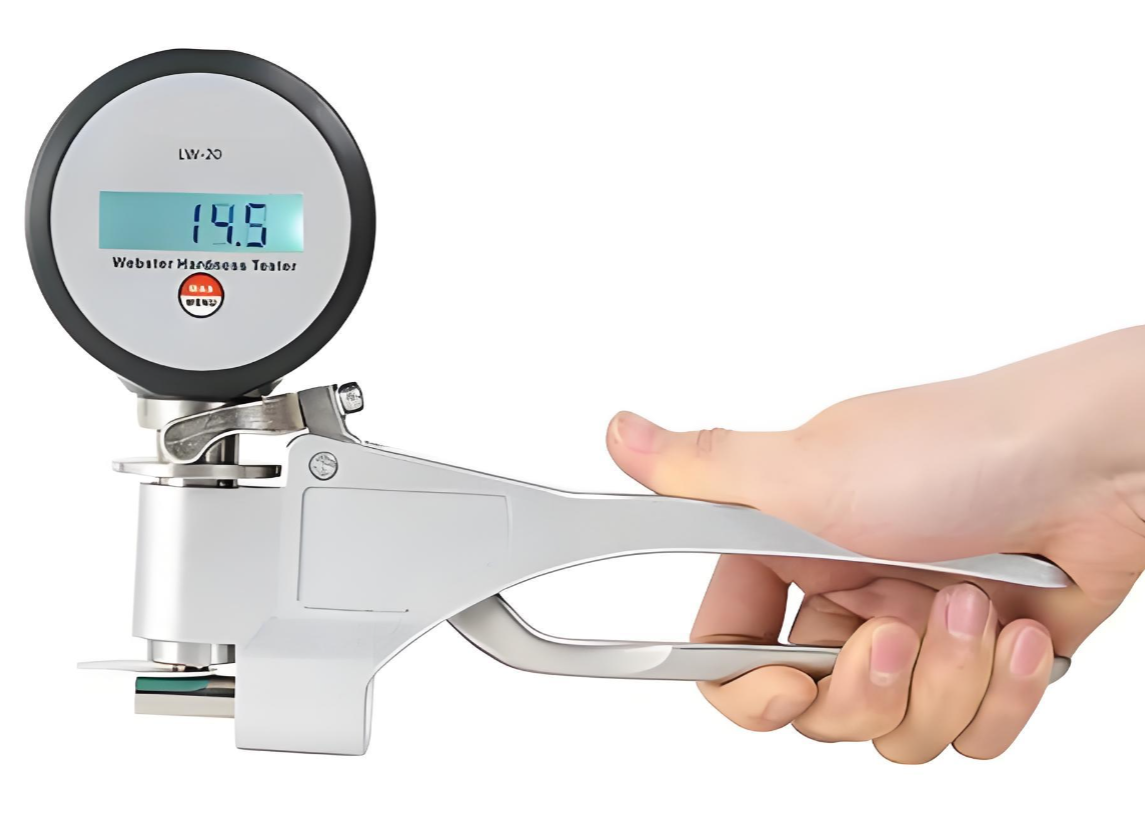
In summary, the Webster hardness tester is an exceptionally valuable instrument for the aluminum alloy industry. Its portability, speed, and non-destructive nature make it ideal for on-the-spot hardness verification, from incoming material inspection to in-process control and final product auditing. Its testing principle is well-suited to the properties of aluminum, providing reliable data that can be correlated to standard scales. Supported by the products and technical services from Suzhou Xinhe and Skyline International, manufacturers can leverage Webster testers to enhance efficiency, reduce costs, and ensure the consistent quality of their aluminum products in a competitive global market.