


What is Color and Gloss Detection
What is Color and Gloss Detection?
Color and Gloss Detection refers to the science and technology of quantitatively measuring the visual appearance attributes of a surface, primarily its color and gloss (shine), using specialized instruments rather than relying on subjective human judgment. In manufacturing and quality control, the visual appearance of a product is a critical quality attribute directly influencing consumer perception, brand identity, and marketability. Color detection involves measuring the spectral characteristics of light reflected or transmitted by a surface to define its color numerically in a standard color space, such as CIELab***. Gloss detection quantifies the amount of specular (mirror-like) reflection from a surface, indicating how shiny or matte it appears. Together, these measurements form the cornerstone of appearance quality control, ensuring consistency within a production batch, between different batches, and across components sourced from multiple suppliers. From automotive paint and plastic parts to packaging and consumer electronics, precise detection is essential for maintaining product quality, reducing waste from mismatched colors, and meeting stringent industry specifications. Reliable measurement data replaces ambiguous verbal descriptions with objective, numerical data that is essential for clear communication and quality assurance.
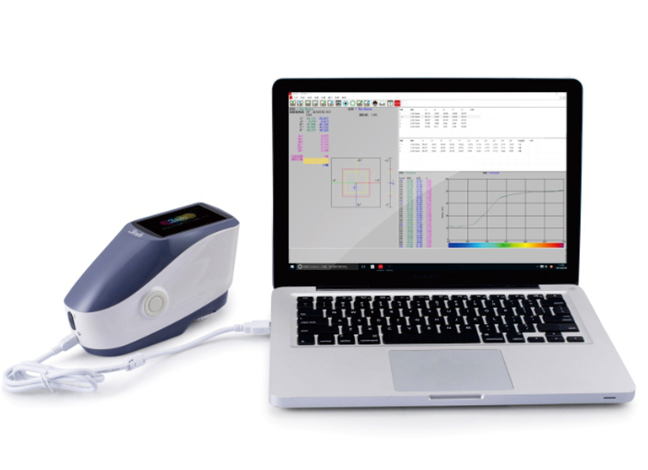
The Science Behind the Measurements: From Perception to Data
The transition from subjective visual assessment to objective data hinges on sophisticated optical principles and standardized measurement geometries. For color measurement, instruments like spectrophotometers illuminate the sample with a controlled light source and analyze the full spectrum of reflected or transmitted light. This data is processed to calculate tristimulus values (X, Y, Z) and then translated into coordinates in the CIELab* color space, where Lrepresents lightness, arepresents the red-green axis, and b* represents the yellow-blue axis. The difference between two colors is expressed as ΔE (Delta E), a single numerical value quantifying the total color difference. For gloss measurement, a glossmeter projects a beam of light at a fixed, standardized angle (e.g., 20°, 60°, or 85°) onto the surface and measures the amount of specularly reflected light at an equal but opposite angle. The result is expressed in Gloss Units (GU), calibrated against a highly polished black glass standard. The choice of angle depends on the surface's expected gloss level: 20° for high-gloss finishes (e.g., automotive clear coat), 60° for general-purpose gloss, and 85° for low-gloss or matte surfaces. This scientific approach, utilizing precise instrumentation, eliminates variables like ambient lighting conditions and observer bias, delivering repeatable and internationally comparable data.
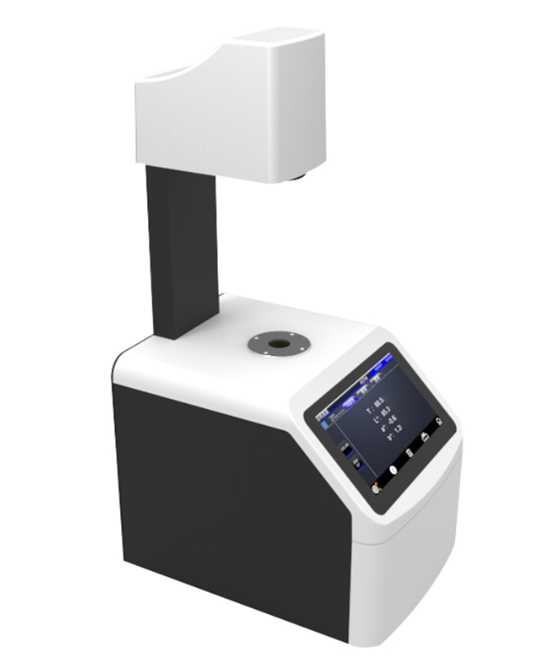
Critical Applications in Modern Industry and Quality Assurance
The applications of color and gloss detection are pervasive across virtually all manufacturing sectors where appearance matters. In the automotive industry, it is paramount for matching paint on body panels, plastic trim, and interior components, ensuring a flawless, uniform appearance across the entire vehicle. A ΔE tolerance of less than 0.5 is often required. In plastics and polymer manufacturing, it ensures batch-to-batch color consistency for consumer goods, electronics housings, and toys. The packaging industry relies on it to maintain brand color integrity for logos and designs on boxes, bottles, and labels. For architectural coatings and paints, gloss measurement ensures the correct sheen level (e.g., matte, eggshell, semi-gloss, high-gloss) is achieved. In more advanced applications, multi-angle spectrophotometers are used to characterize special effect coatings containing metallic flakes or pearlescent pigments, which change color with viewing angle. The data from these instruments is not just for pass/fail judgments; it feeds into statistical process control systems to monitor production trends, predict deviations, and enable proactive corrections. This objective quantification is the foundation of digital color communication, allowing designers, suppliers, and manufacturers worldwide to share and match color standards accurately, which is vital for efficient global supply chains.
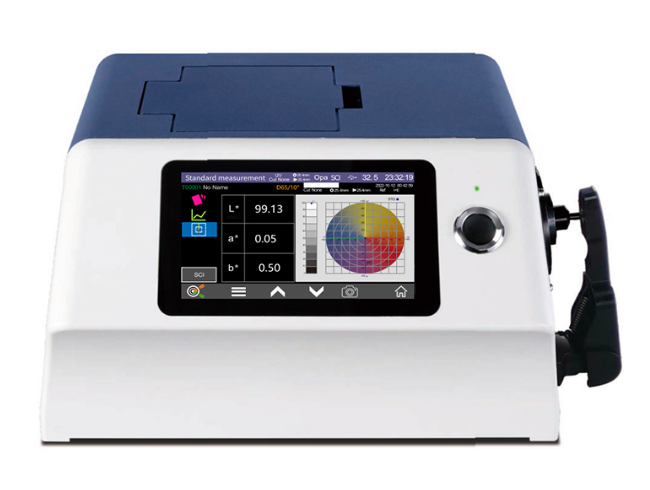
Color and Gloss Detection is the essential bridge between subjective visual appeal and objective, actionable quality data. By transforming the human perception of color and shine into precise, numerical values using spectrophotometers and gloss meters, industries can enforce rigorous appearance standards, guarantee product consistency, and build brand trust. In a competitive global market, mastering this detection is not just about quality control—it is a fundamental component of product excellence and customer satisfaction.