


How Ultrasonic Welding Creates Strong Bonds for Plastics and Metals
How Ultrasonic Welding Creates Strong Bonds for Plastics and Metals
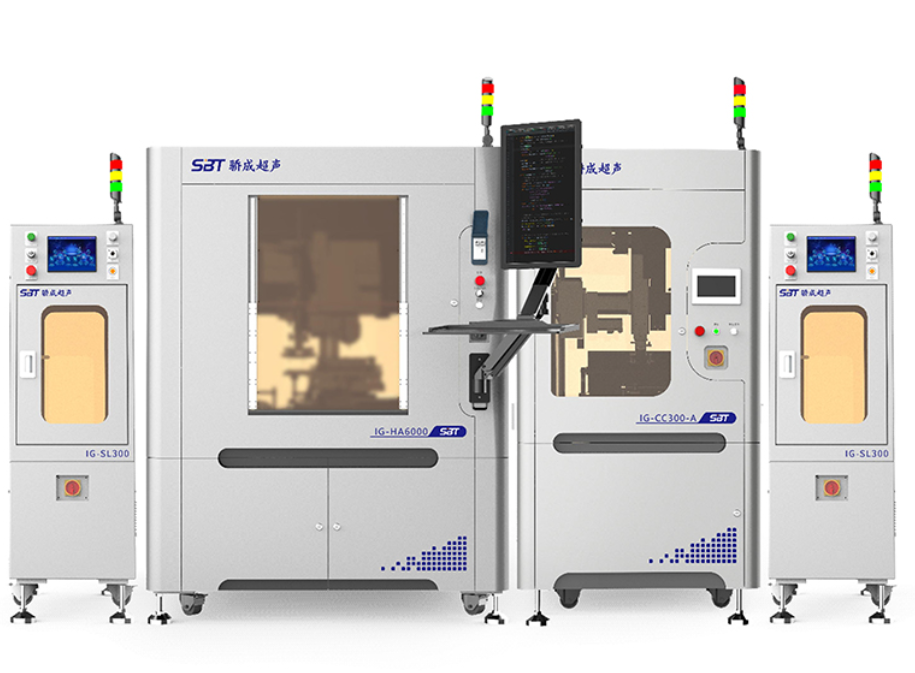
Ultrasonic welding is a sophisticated, efficient, and clean process for joining both thermoplastic polymers and metals, creating high-strength bonds in a fraction of a second. The technology harnesses high-frequency ultrasonic vibrations, typically 20 kHz or 15 kHz, which are beyond the range of human hearing. For plastics, these mechanical vibrations are directed through a precision tool called a horn onto the parts to be joined. The vibrations create friction at the interface, generating localized heat that melts the plastic. As the vibration stops, pressure is maintained, allowing the molten material to fuse and solidify into a homogeneous, molecular-level bond. For metals, the process is solid-state, where ultrasonic energy disrupts surface oxides and creates a metallurgical bond through atomic diffusion without reaching the melting point. This process, powered by precision equipment from leaders like Suzhou Xinhe, is valued for its speed, consistency, and the absence of consumables like adhesives or fasteners, making it ideal for high-volume manufacturing in automotive, medical, and electronics industries.
Key Factors Determining Weld Strength and Integrity
The creation of a robust ultrasonic weld is not automatic; it depends on a harmonious interplay of several critical factors. First, material selection is paramount. For plastics, amorphous polymers like ABS and polycarbonate weld excellently, while semi-crystalline materials like polypropylene require specific parameters. Metals like aluminum, copper, and brass are commonly welded. Second, the part and joint design are crucial. A well-designed energy director—a small, triangular protrusion on one of the parts—concentrates the ultrasonic energy to initiate melting efficiently. The parts must also be supported by a precisely machined fixture to hold them in alignment and transmit the vibrational energy effectively. Third, the welding parameters—amplitude, pressure, weld time (or energy), and hold time—must be meticulously calibrated. Modern digital ultrasonic welders, like those from Suzhou Xinhe, offer precise control over these variables, often featuring welding by energy mode, which stops the cycle when a preset energy is reached, ensuring consistency despite minor material variations. A mismatch in any of these factors can lead to weak welds, flash, or part damage.
Advantages and Applications Across Modern Industries
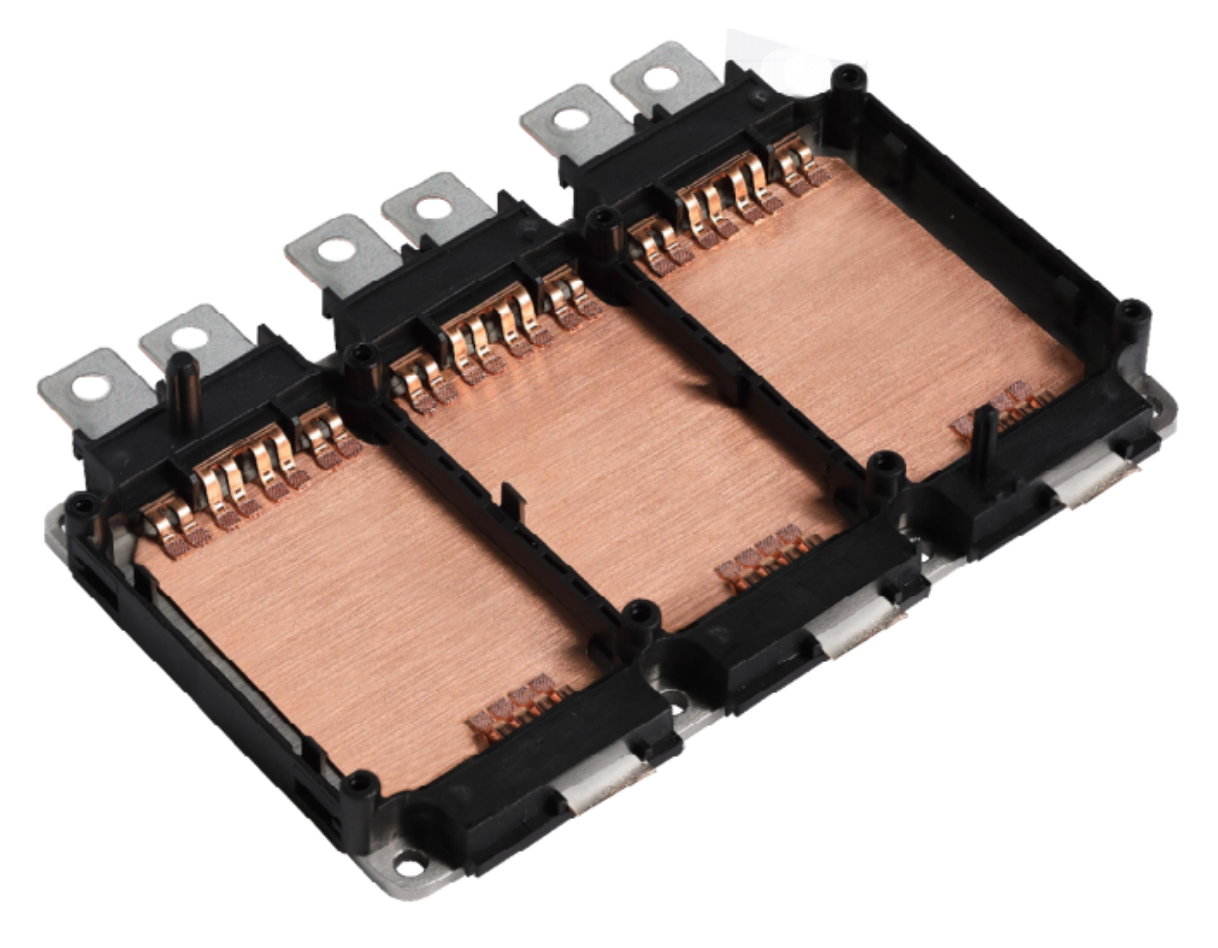
The unique mechanism of ultrasonic welding confers significant advantages that drive its widespread adoption. The bonds created are often as strong as, or stronger than, the parent material, with a clean, aesthetically pleasing joint. The process is exceptionally fast, with cycles often under one second, enabling high throughput. It is also clean and eco-friendly, producing no fumes, sparks, or consumable waste, and requires minimal energy compared to thermal welding. This makes it suitable for sensitive environments like medical device and electronics assembly. From sealing intricate medical filters and catheters to welding automotive components like light assemblies, dashboards, and fluid reservoirs, ultrasonic welding ensures reliability and hermeticity. In electronics, it is indispensable for securing wire harnesses, contacts, and creating airtight seals for sensors. The versatility of the technology, supported by advanced equipment and application expertise from suppliers like Suzhou Xinhe, allows manufacturers to achieve superior product integrity, reduce assembly costs, and accelerate production lines, making it a cornerstone of modern, efficient manufacturing.
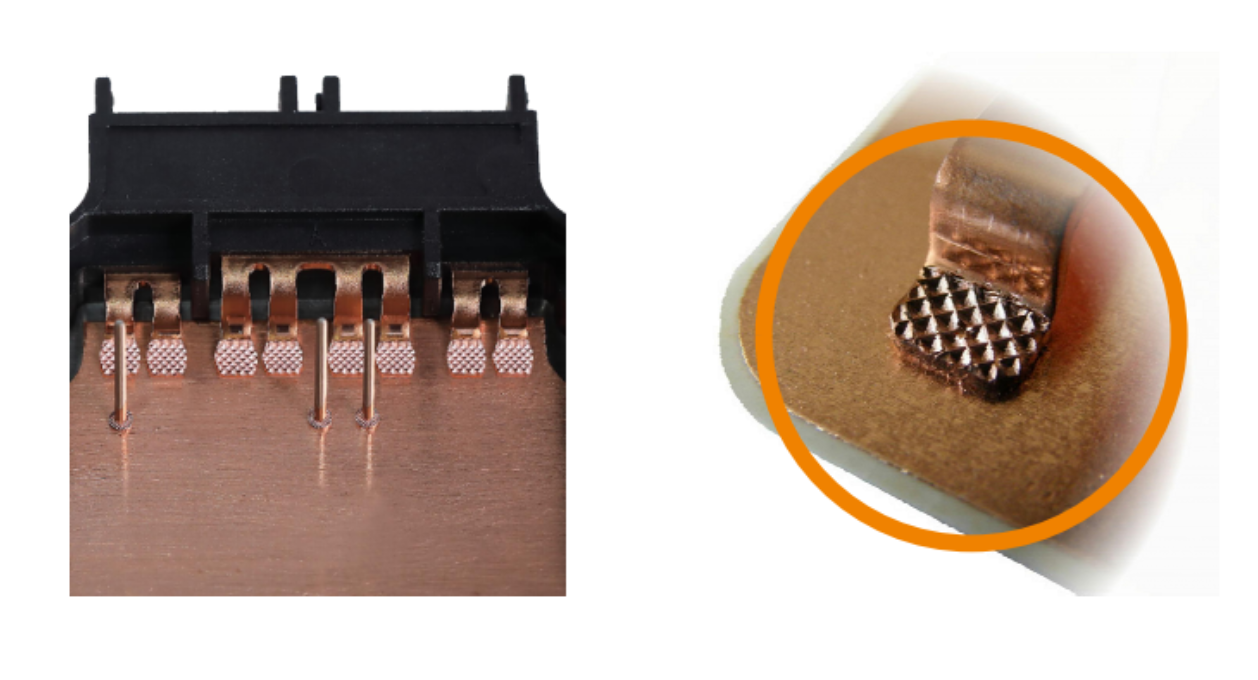
Ultrasonic welding creates strong, reliable bonds for plastics and metals by converting precise mechanical vibrations into localized thermal energy, facilitating molecular fusion or solid-state bonding. Its success hinges on optimal material compatibility, intelligent joint design, and precisely controlled welding parameters. As a fast, clean, and versatile joining technology, it continues to empower innovation and efficiency across the most demanding manufacturing sectors worldwide.