


The Importance of Environmental Test Chambers in Product Reliability Testing
The Importance of Environmental Test Chambers in Product Reliability Testing
Simulating Real-World Stresses to Uncover Latent Defects
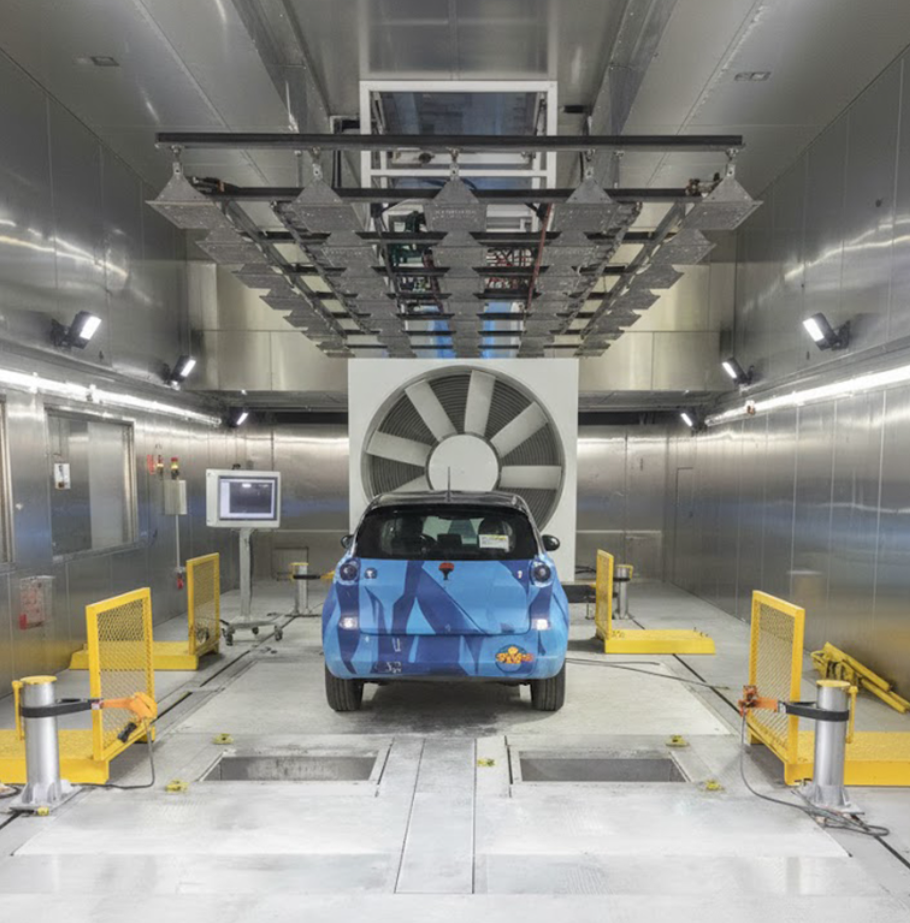
Products, from simple electronic components to complex automotive assemblies, are destined for environments far more harsh and variable than the controlled conditions of a factory floor. Environmental test chambers are indispensable engineering tools designed to bridge this gap by accurately simulating the extreme conditions a product may encounter throughout its lifecycle. By subjecting products to precisely controlled stresses—such as temperature cycling (from -70°C to 180°C or beyond), high and low humidity, and thermal shock—these chambers accelerate the aging process and force latent defects to surface before products reach the market. For instance, temperature cycling can reveal weaknesses in solder joints due to the differing thermal expansion rates of materials, while humidity testing can expose vulnerabilities to corrosion and short-circuiting in printed circuit boards (PCBs). This proactive approach to identifying failure modes, known as HALT (Highly Accelerated Life Testing) or stress screening, is fundamental to moving from a reactive quality control model to a proactive reliability engineering strategy, ultimately preventing costly field failures and warranty claims.
Ensuring Compliance and Performance Under Standardized Conditions
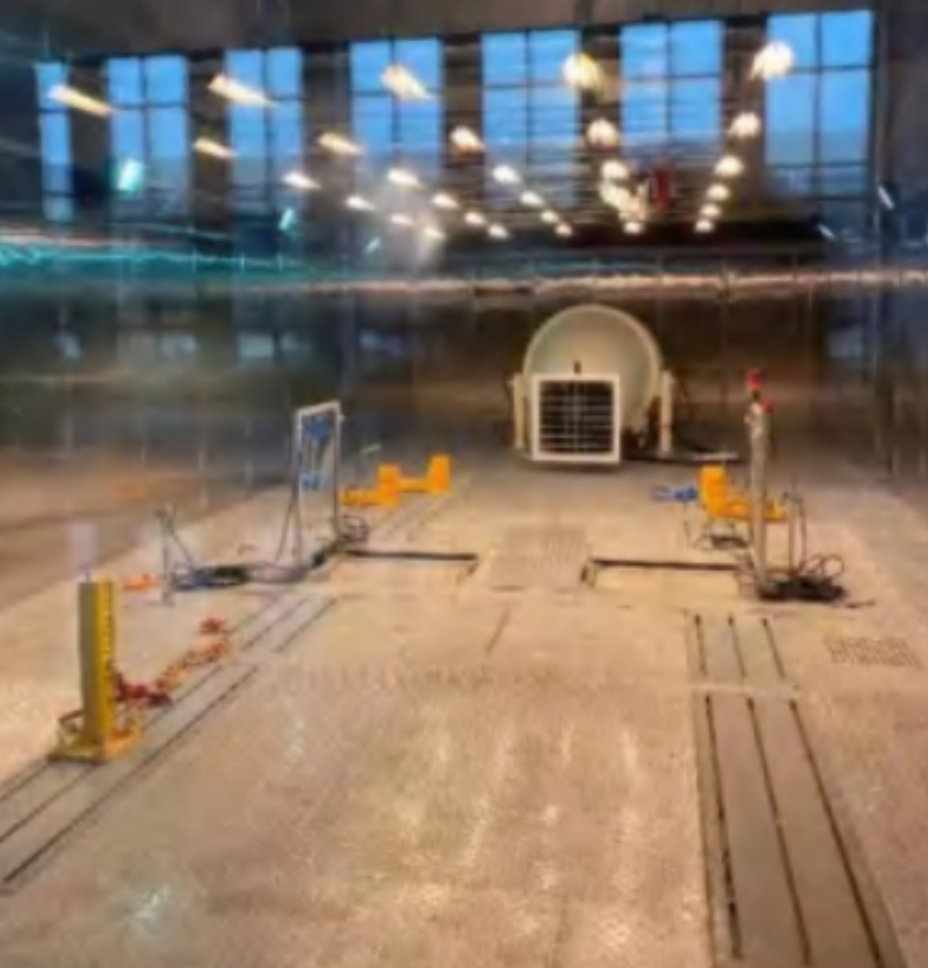
Beyond uncovering flaws, environmental testing is often a mandatory requirement for market access and regulatory compliance. Numerous international standards (e.g., ISO, IEC, MIL-STD, JEDEC) define specific environmental test protocols that products must pass to be certified for use in industries like automotive, aerospace, telecommunications, and consumer electronics. An environmental chamber provides the controlled, repeatable, and auditable conditions necessary to verify that a product meets these stringent specifications. For example, testing to IEC 60068-2 standards validates a product's ability to withstand cold, dry heat, and damp heat. This rigorous validation provides objective evidence to customers and regulators that the product is fit for its intended use, whether that involves withstanding the cold of a Siberian winter, the heat of a desert summer, or the constant humidity of a tropical climate. This step is critical not just for legal compliance but also for building a reputation for durability and reliability, which are key differentiators in competitive global markets.
Driving Innovation and Reducing Time-to-Market
In today's fast-paced development cycles, the ability to rapidly iterate and validate designs is a significant competitive advantage. Environmental test chambers play a pivotal role in this acceleration. Engineers use chambers not only for final validation but also throughout the Research and Development (R&D) phase to compare material selections, evaluate design alternatives, and optimize product performance under stress. By identifying the weak points of a prototype early, designers can make necessary improvements quickly, significantly reducing the number of design cycles and avoiding last-minute, costly redesigns. This accelerated testing process condenses what would be years of real-world exposure into a matter of days or weeks, providing critical data that informs decision-making and de-risks the development process. Consequently, companies can confidently launch more robust and reliable products faster, securing a crucial edge in the race to market and ensuring long-term customer satisfaction.
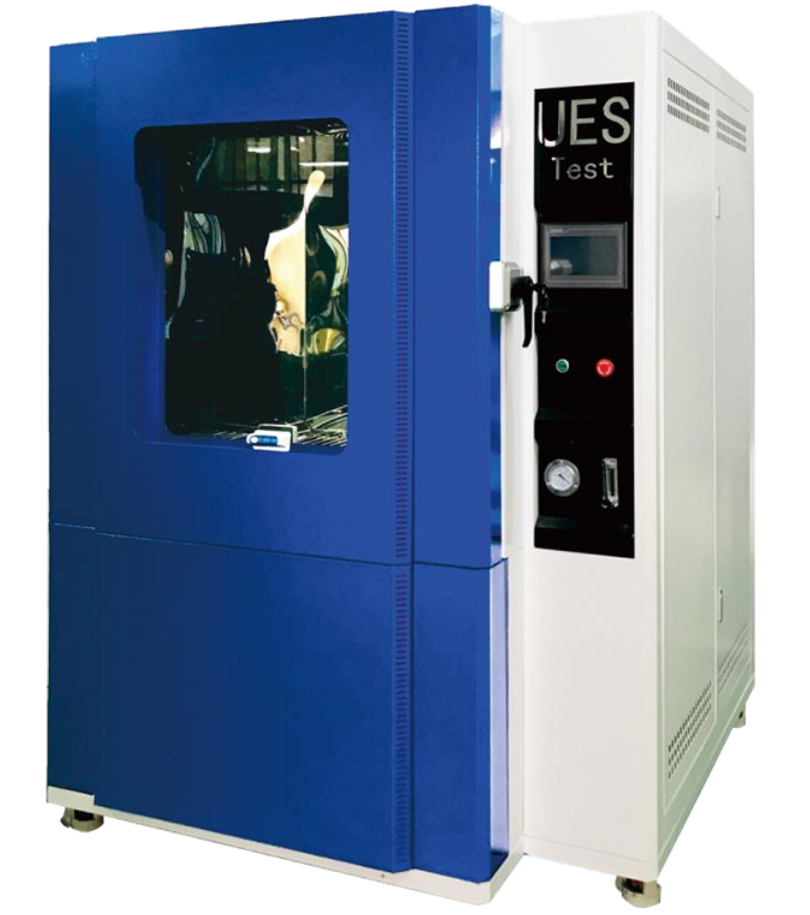
Environmental test chambers are far more than simple "weather boxes"; they are a cornerstone of modern product development and quality assurance. By enabling engineers to uncover hidden flaws, validate compliance, and accelerate innovation, these chambers are fundamental to building products that are not only functional but also durable, reliable, and trusted in the global marketplace. Investing in a robust environmental testing capability is, therefore, an investment in product integrity, brand reputation, and long-term business success.