


The Growing Importance of Moisture-Proof Cabinets in Protecting Precision Instruments
The Growing Importance of Moisture-Proof Cabinets in Protecting Precision Instruments
Safeguarding Measurement Integrity and Preventing Costly Damage
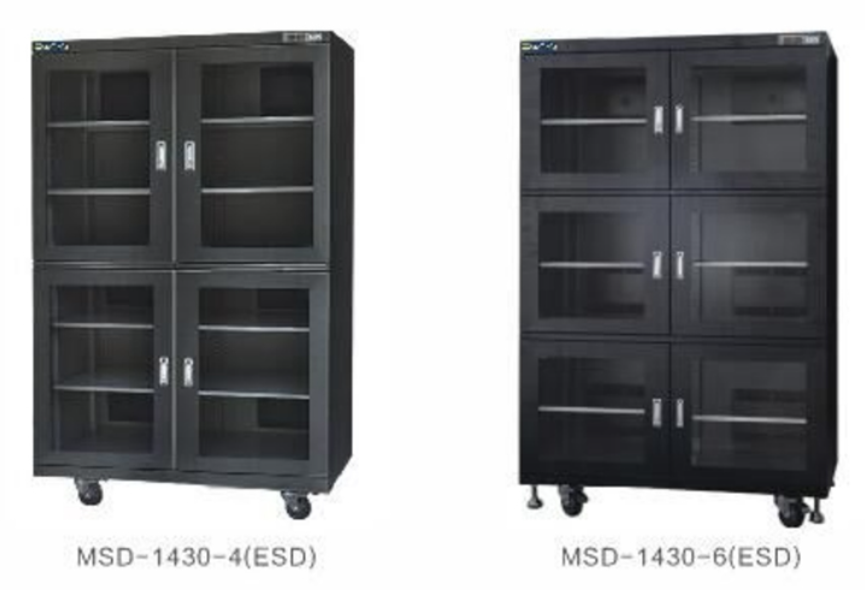
In environments with high humidity, such as coastal areas or during rainy seasons, the threat of moisture to precision instruments is silent, pervasive, and often irreversible. Moisture-proof cabinets, also known as dry cabinets or desiccator cabinets, have evolved from optional accessories to essential protective infrastructure for any quality-focused laboratory or manufacturing facility. The primary role of these cabinets is to maintain a consistently low and stable relative humidity (RH) level, typically below 40% or even lower for highly sensitive equipment. This controlled environment is critical for preventing corrosion on delicate metal components, such as probe tips, gauge blocks, and microscope stages. Furthermore, moisture can cause fungal growth on optical lenses, lead to electrical short circuits in circuit boards, and compromise the integrity of hygroscopic materials used in calibration standards. By eliminating these risks, moisture-proof cabinets directly protect significant capital investment in equipment, ensure the longevity of sensitive components, and, most importantly, guarantee that instruments perform to their specified accuracy, thereby upholding the integrity of every measurement taken.
Ensuring Calibration Stability and Compliance with Industry Standards
For calibration laboratories and facilities adhering to strict quality management systems like ISO/IEC 17025, ISO 9001, or IATF 16949, environmental control is not just a best practice—it is a mandatory requirement. The accuracy of calibration standards, such as gauge blocks, ring gauges, and torque wrenches, can drift if exposed to fluctuating humidity levels. Moisture-proof cabinets provide the stable environment necessary to maintain the certified accuracy of these master standards between calibrations. This ensures traceability to national and international measurement institutes, a cornerstone of reliable quality control. Without proper storage, the entire calibration chain is compromised, potentially leading to the production of non-conforming parts and significant compliance issues during audits. By integrating a reliable moisture-proof cabinet into the workflow, organizations generate defensible data, pass stringent audits with confidence, and demonstrate an unwavering commitment to metrological best practices, reinforcing their reputation for quality and reliability.
Precision Control and Connectivity
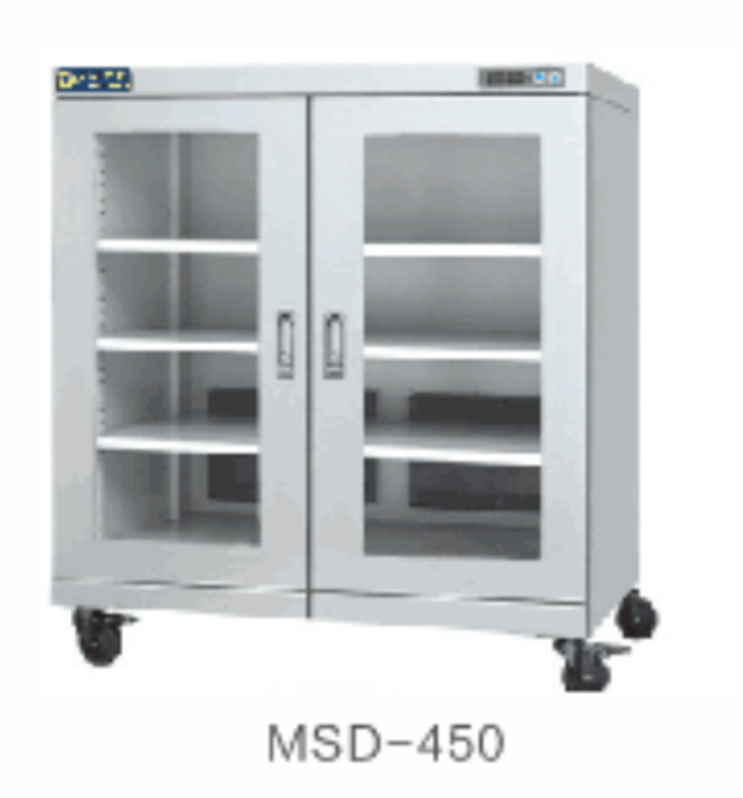
Modern moisture-proof cabinets offer far more than just passive storage. Advanced models feature electronic microprocessor-controlled desiccant systems that maintain a precise RH setpoint without the need for manual regeneration of desiccant beads. This provides superior stability and user convenience compared to traditional models. Key features to look for include digital RH displays and controllers for real-time monitoring, audible/visual alarms to alert staff of door-left-open events or system malfunctions, and robust data logging capabilities to record humidity levels over time for audit trails. For integration into smart factories, some cabinets offer connectivity options like RS-232 or Ethernet ports, allowing for remote monitoring and integration into facility management systems. These advanced features transform the moisture-proof cabinet from a simple storage box into an active, intelligent component of a modern quality assurance system, providing peace of mind and operational efficiency for demanding industrial and research applications.
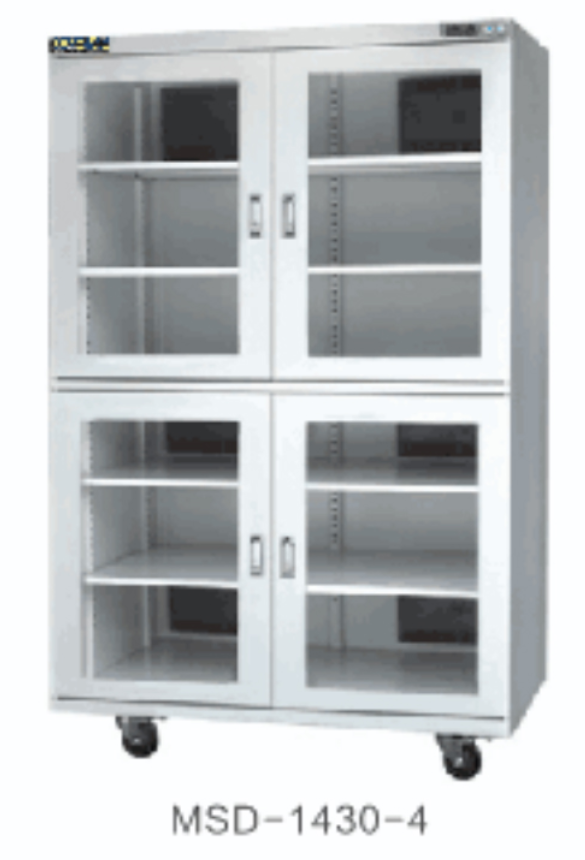
The growing importance of moisture-proof cabinets is inextricably linked to the increasing value and sensitivity of precision instrumentation. They are a fundamental investment in asset protection, data integrity, and regulatory compliance. By providing a stable, low-humidity sanctuary, these cabinets play a silent yet critical role in ensuring that every measurement is accurate, every calibration is valid, and every instrument delivers on its promise of precision, ultimately safeguarding product quality and brand reputation.