


Selecting the Right Abrasion Tester for Your Coatings and Materials
Selecting the Right Abrasion Tester for Your Coatings and Materials
Understanding Test Standards and Application-Specific Wear Mechanisms
The first and most critical step in selecting an abrasion tester is to define whatyou are testing for. Abrasion resistance is not a singular property; it varies dramatically based on the real-world wear mechanism the material or coating will face. Will the surface experience constant sliding friction, repeated impact with abrasive particles, or cyclical rubbing? The test method must simulate this. The industry provides a suite of standardized tests, each designed for specific scenarios. The Taber Abraser/Abrader (ASTM D4060, ISO 7784-2) is the industry benchmark for evaluating flat materials and coatings under rotary rubbing action with abrasive wheels, ideal for laminates, painted surfaces, and textiles. For assessing resistance to linear scratching and wear, the Linear Abraser (or Reciprocating Abraser, ASTM F2496) is preferred, simulating actions like wiping or back-and-forth contact. For more aggressive wear simulation, such as gravel impact on automotive paint, the Gravelometer (Stone Chip Tester, ASTM D3170) or the Falling Sand Abrasion Tester (ASTM D968) are employed. Aligning your selection with the correct international standard (ASTM, ISO, DIN, etc.) is non-negotiable for generating valid, comparable, and authoritative data that meets customer or regulatory specifications.
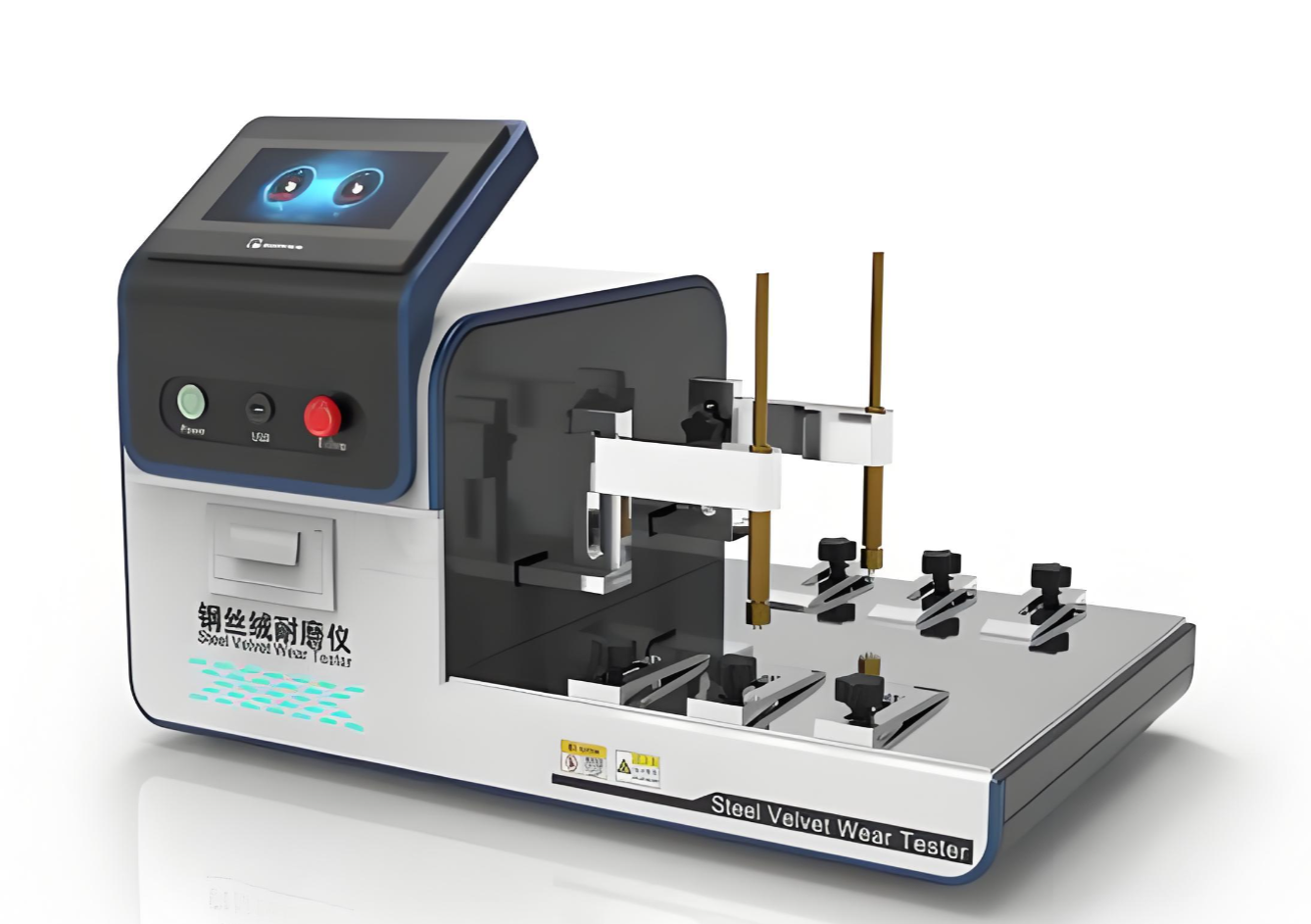
Matching Tester Specifications to Material Properties and Sample Requirements
Once the test principle is chosen, the physical and operational specifications of the tester must align with your sample's nature and your quality control (QC) or research and development (R&D) throughput. Consider the test load range; testing a soft polymer coating requires a different force (often measured in Newtons or grams) than evaluating a hardened ceramic layer. The abradant type is equally vital—standard Taber wheels (CS-10, CS-17, H-18), specialized abrasive papers, or even real-world media like fabric must be selectable. For sample handling, evaluate the sample size and fixturing. Can the tester accommodate your typical part dimensions, or must samples be cut to a specific size? Does it offer custom fixtures for non-flat or irregular components? Furthermore, assess the need for automation and data acquisition. Basic models may require manual cycle counting and post-test weight measurement, while advanced systems feature automatic cycle completion, integrated precision scales for mass loss measurement, and software for direct data logging and analysis. This directly impacts testing efficiency, repeatability, and operator influence on results, which is crucial for high-volume QC environments.
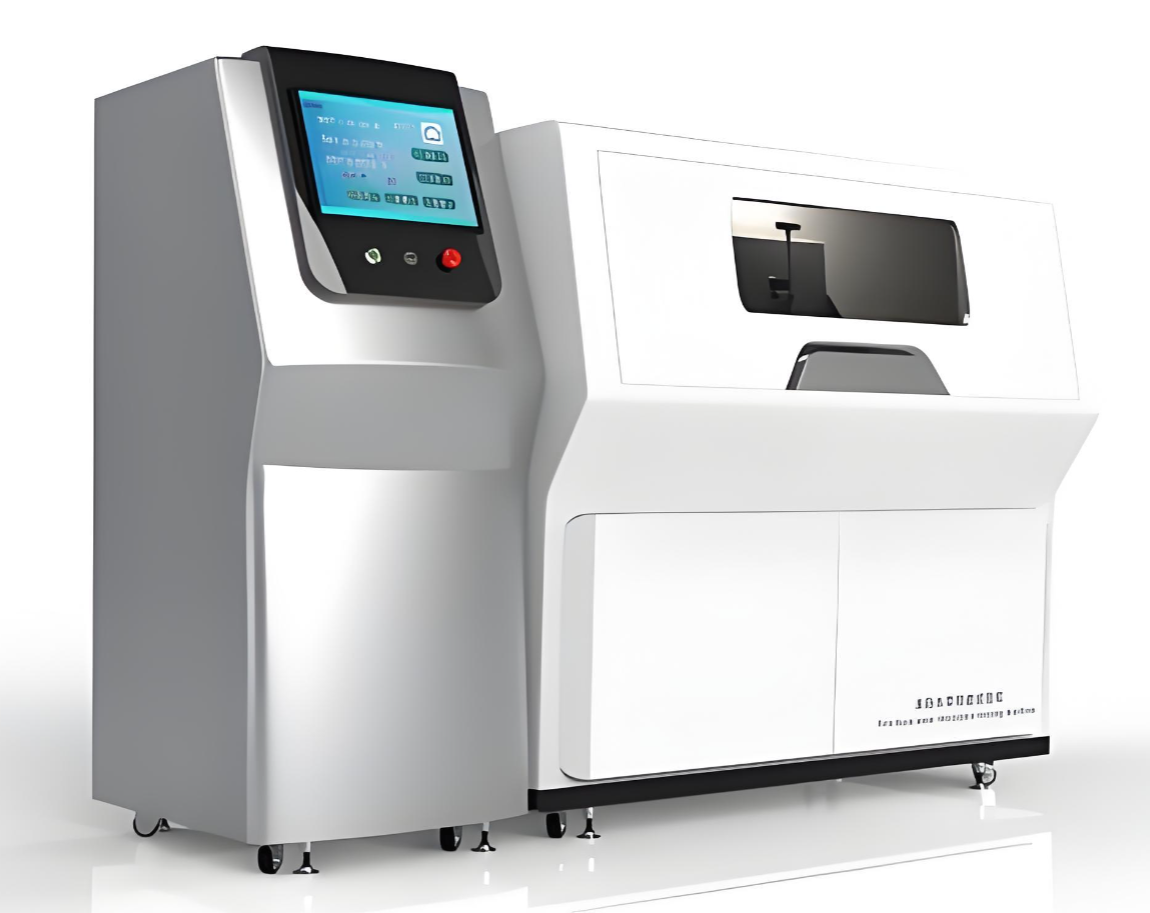
Evaluating Durability, Support, and Total Cost of Ownership
The final selection criteria extend beyond the initial purchase price to consider the instrument's longevity, ease of use, and the supplier's support ecosystem—critical factors for ensuring a sustainable testing operation. A robust tester built with high-quality components (e.g., precision motors, durable abradant arms, stainless steel construction) will provide stable, drift-free performance for years, minimizing downtime and recalibration frequency. Evaluate the ease of calibration and maintenance; user-replaceable parts and clear procedures reduce dependency on the supplier. Crucially, partner with a supplier that offers comprehensive technical support, application expertise, and readily available consumables (abrasive wheels, papers, calibration standards). A supplier with deep application knowledge, like a specialized provider, can offer invaluable guidance on method development and troubleshooting. Finally, calculate the Total Cost of Ownership (TCO), factoring in the initial investment, expected maintenance costs, consumable expenses, and potential costs of unsupported downtime. The most cost-effective choice is often a reliable, well-supported machine that ensures consistent, trustworthy data over its entire lifecycle, protecting your quality assurance integrity.
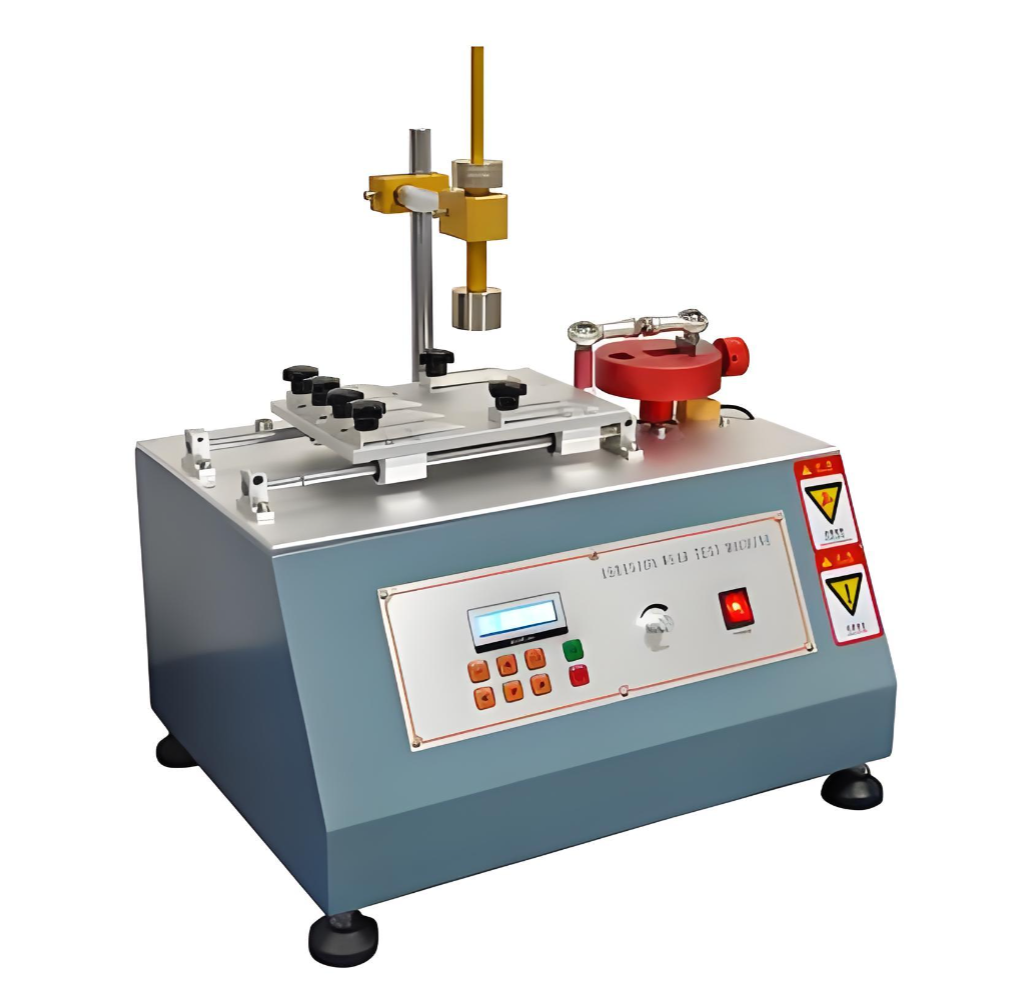
Selecting the right abrasion tester is a strategic decision that hinges on a clear understanding of your specific wear simulation needs, material characteristics, and operational context. By rigorously matching the tester to the relevant international standards, ensuring it meets your sample and throughput requirements, and choosing a reliable, well-supported partner, you invest not just in a piece of equipment, but in a foundational capability to quantify durability, drive product improvement, and substantiate your claims of quality and performance in the marketplace.