


The Critical Role of Cleanliness Testing in Automotive Manufacturing and Safety
The Critical Role of Cleanliness Testing in Automotive Manufacturing and Safety
From Micro-Particles to Macro Failures: The Unseen Threat in Modern Vehicles
Modern automotive systems are marvels of precision engineering, with components like fuel injectors, hydraulic valves, bearings, and electronic control units (ECUs) operating at extremely tight tolerances. The presence of microscopic particulate contamination—metal shavings, casting sand, fibers, or abrasive dust—poses a severe, often invisible threat. A single particle as small as a few tens of microns, invisible to the naked eye, can act as an abrasive agent, causing premature wear in moving parts. It can block a critical fuel injector nozzle, leading to engine misfire and increased emissions. In a brake or steering hydraulic system, it can cause valve seizing or seal damage, resulting in a partial or complete loss of function. This direct link between microscopic contamination and catastrophic system failure elevates cleanliness testing from a simple quality check to a fundamental pillar of functional safety and product reliability. It is the essential process that ensures components are free from the contaminants that could initiate a chain reaction of wear, blockage, and ultimately, failure in safety-critical systems. Implementing rigorous testing, supported by precise equipment and standards expertise from partners like Xinhe (Skyline Vietnam), is the first and most critical defense against this hidden risk.
Standardized Methodology: The Framework of ISO 16232 and VDA 19
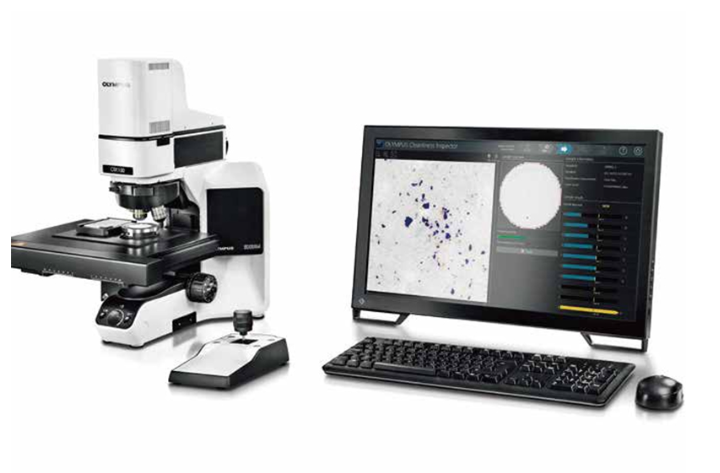
To combat the risk of particulate contamination effectively, the automotive industry relies on a rigorous, standardized methodology defined primarily by the ISO 16232 and VDA 19 standards. These are not mere guidelines but the definitive rulebooks for automotive cleanliness testing. They provide a complete, step-by-step framework covering the entire process: from the defined methods of contaminant extraction (e.g., pressure rinsing, ultrasonic agitation, shaking) from components, to the filtration of the extraction fluid onto a membrane, and the final microscopic analysis of the captured particles. The standards specify how to measure and classify particles by size (e.g., >25µm, >50µm, >100µm, >200µm, >400µm, >1000µm, >2000µm) and sometimes by material (metallic, non-metallic, fibrous). This allows for the establishment of precise, quantifiable cleanliness limits—for example, a maximum allowable number of particles greater than 200µm per component. Adherence to these standards ensures that test results are repeatable, reproducible, and comparable across different suppliers, manufacturing plants, and laboratories worldwide. It transforms subjective assessments of "clean" into objective, data-driven specifications. For manufacturers and suppliers, compliance with ISO 16232/VDA 19 is often a contractual obligation, a non-negotiable requirement to be part of the global automotive supply chain, ensuring that every component meets the exacting safety and performance criteria demanded by Original Equipment Manufacturers (OEMs).
A Proactive Investment in Quality, Cost, and Brand Integrity
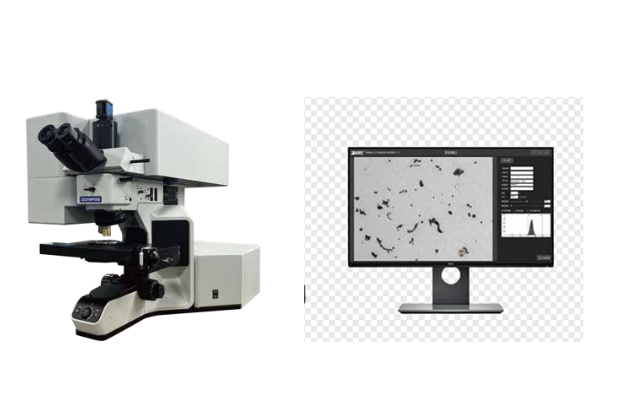
Implementing a robust cleanliness testing protocol is a proactive, strategic investment that pays dividends across three critical areas: quality, cost, and brand integrity. Firstly, it is the most effective method for preventive quality assurance. By screening components at the incoming inspection stage or during in-process audits, manufacturers can reject contaminated batches before they are assembled into higher-value systems, preventing the exponentially higher costs of downstream rework or field failures. This directly reduces the Cost of Poor Quality (COPQ) associated with warranty claims, recalls, and reputational damage. Secondly, it fosters supply chain discipline. By holding suppliers accountable to defined cleanliness specifications, OEMs and Tier-1 suppliers drive quality improvement upstream, leading to more reliable components and smoother production flows. Finally, and most importantly, it is a cornerstone of brand trust and corporate responsibility. In an industry where safety is paramount, demonstrating a commitment to verifying the cleanliness of safety-critical parts is a powerful message to consumers and regulators alike. It shows a dedication to engineering excellence and customer safety that transcends marketing claims, solidifying a brand's reputation for reliability and integrity in a fiercely competitive market.
In the high-stakes world of automotive manufacturing, cleanliness testing is far more than a procedural step; it is a critical engineering and ethical imperative. It serves as the essential safeguard against the microscopic contaminants that threaten vehicle safety, reliability, and performance. By enforcing rigorous standards like ISO 16232/VDA 19, manufacturers transform invisible risks into controlled, measurable parameters. This commitment to cleanliness is a direct investment in producing vehicles that are not only high-performing but, above all, safe and trustworthy—protecting end-users, preserving brand value, and upholding the very foundation of automotive excellence.