


Comprehensive Guide to Mechanical Testing Standards
Comprehensive Guide to Mechanical Testing Standards
The Foundational Role of Standards in Global Trade and Quality Assurance
In the world of material science and manufacturing, mechanical testing provides the fundamental data on how a material or component will behave under force. However, the true value of this data is unlocked only when tests are performed in a consistent, repeatable, and internationally recognized manner. This is where mechanical testing standards become indispensable. These standards, primarily developed by globally respected bodies like the American Society for Testing and Materials (ASTM) and the International Organization for Standardization (ISO), serve as the universal "rulebook" for testing. Standards such as ASTM E8/E8M for tensile testing of metals, ISO 527 for plastics, or ASTM D638 for plastic tensile properties, provide meticulously detailed protocols. They specify everything: the exact dimensions and preparation of test specimens, the calibration requirements for the testing machine (like a universal testing machine), the speed of load application (crosshead speed), the environmental conditions, and the precise method for calculating results like tensile strength, yield strength, and elongation at break. Adherence to these protocols ensures that a test result from a laboratory in Vietnam is directly comparable to one from Germany or the United States. For manufacturers and suppliers like Xinhe (Skyline Vietnam), this is the cornerstone of global market access, customer acceptance, and reliable quality assurance. It transforms subjective assessment into objective, defensible data.
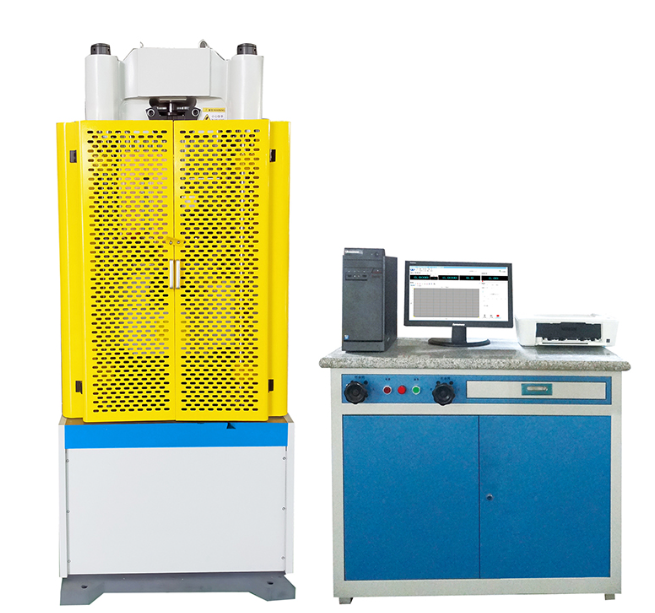
Navigating Key Standards for Common Mechanical Tests and Industries
The landscape of mechanical testing standards is vast, tailored to specific materials, test types, and industries. Navigating this landscape requires understanding the key standards relevant to common tests. For tensile and compression testing, which measures a material's response to stretching or crushing forces, ASTM E8/E8M (metals) and ISO 6892-1 (metals) are paramount, while ISO 527 and ASTM D638 govern plastics. Impact testing, which evaluates a material's toughness and notch sensitivity, is widely governed by Charpy (ISO 148-1, ASTM E23) and Izod (ASTM D256) methods. The packaging industry relies heavily on standards like ISO 3037 for Edge Crush Test (ECT) and ISO 2759 for Bursting Strength to ensure corrugated board can withstand stacking and handling. Vibration testing, crucial for simulating transportation stresses, follows standards such as ASTM D999 and ISTA procedures. For polymer processors, Melt Flow Rate (MFR) and Melt Volume Rate (MVR) testing, per ISO 1133 and ASTM D1238, are critical for quality control. Furthermore, industry-specific mandates are often layered on top. The automotive sector, for instance, frequently references IATF 16949 quality management requirements, which demand strict adherence to relevant testing standards for part validation. Understanding and applying the correct standard is not optional; it is a technical and commercial necessity for product certification, supplier qualification, and meeting OEM specifications.
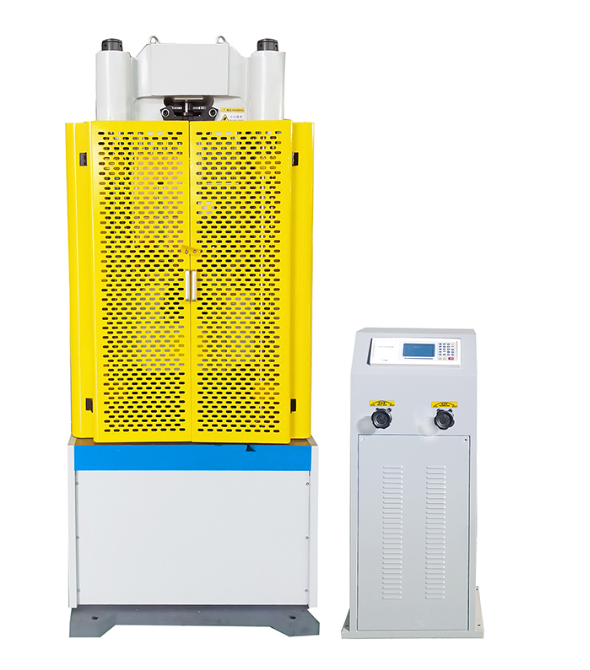
Implementing Standards: Equipment, Calibration, and Best Practices
Simply knowing the standard is not enough; its correct implementation is what guarantees data integrity. This implementation rests on three pillars: compliant equipment, rigorous calibration, and disciplined procedures. First, the testing equipment itself must be capable of meeting the standard's specifications. A universal testing machine must have the appropriate load cell capacity, precise crosshead speed control, and data acquisition system to record the force vs. displacement curve accurately. Specialized fixtures for bend testing, compression plates, or impact testers must conform to the dimensional and geometric tolerances outlined in the standard. Second, and critically, all equipment must be under a strict calibration regimen. Load cells, extensometers, and other measuring devices must be calibrated traceably to national or international standards (e.g., ISO/IEC 17025 accredited calibration) at prescribed intervals to ensure measurement accuracy and validity. This traceability is a core requirement of most quality management systems. Finally, standard operating procedures (SOPs) must be established and followed meticulously. This includes proper sample preparation (machining specimens to exact dimensions), correct specimen mounting, adherence to specified test conditions (temperature, humidity), and accurate data reporting. Partnering with an experienced provider like Xinhe ensures access not only to standard-compliant testing machines (like tensile testers, impact testers, burst testers) but also to the expertise in setting up a compliant testing workflow, ensuring that every test report is a credible, standards-backed document.
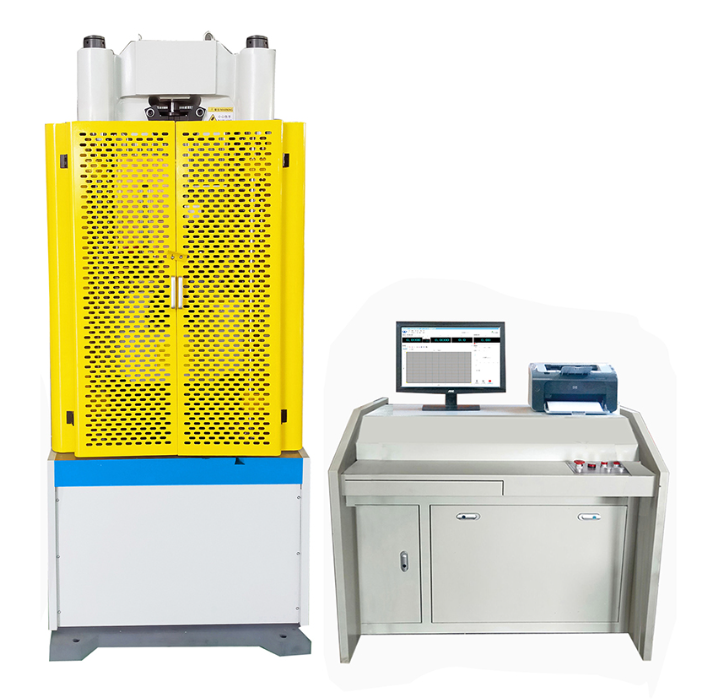
Mechanical testing standards are the essential framework that brings order, credibility, and global alignment to material evaluation. They are the critical link between a physical test performed in a lab and a meaningful data point that informs design decisions, validates production quality, and facilitates international commerce. For any organization committed to quality and competitiveness, understanding, acquiring the right equipment for, and rigorously implementing these standards is not a bureaucratic hurdle but a fundamental strategic imperative. It is the definitive path to producing reliable data, gaining customer trust, and ensuring products meet the rigorous demands of the global market.