


How Color and Gloss Detection Ensures Product Consistency and Brand Trust
How Color and Gloss Detection Ensures Product Consistency and Brand Trust
From Subjective Judgment to Objective Data: The Scientific Basis of Consistency
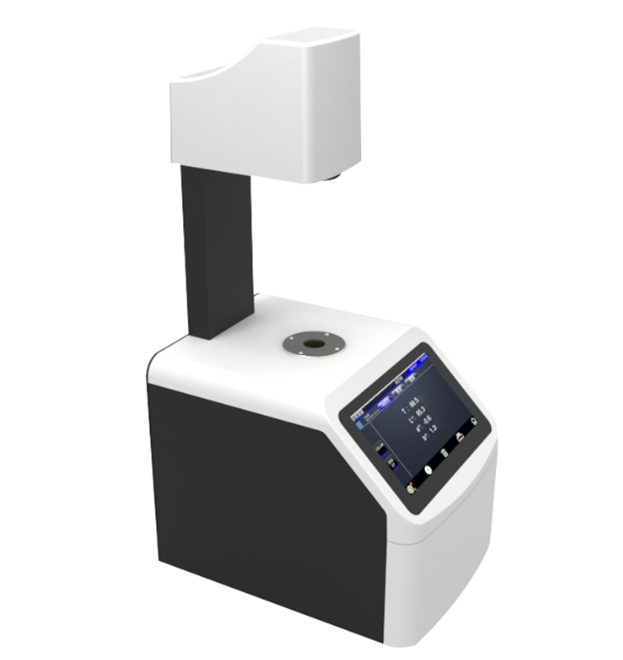
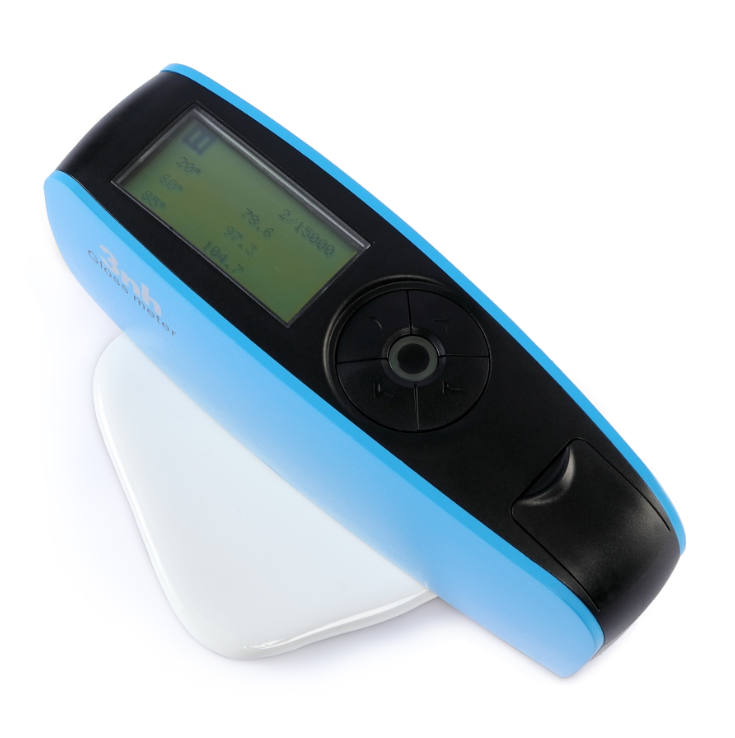
In today's competitive manufacturing landscape, ensuring that a product looks exactly the same, batch after batch, is a formidable challenge. Human visual perception, while sophisticated, is inherently subjective and vulnerable to inconsistencies caused by lighting conditions, viewer fatigue, and physiological differences. This is where Color and Gloss Detection technology performs its first critical function: it transforms the subjective qualities of appearance into objective, quantifiable, and repeatable data. Instruments such as spectrophotometers and gloss meters replace the unreliable "eye test." A spectrophotometer captures a material's spectral reflectance curve across the visible spectrum, generating precise colorimetric data like Lab* values**, Delta E (ΔE) for color difference, and metamerism indices. Simultaneously, a gloss meter quantifies surface shine by measuring the amount of reflected light at specific angles (e.g., 20°, 60°, 85°). By establishing these numerical tolerance limits for both color and gloss, manufacturers can move from vague descriptions like "a bit darker" or "less shiny" to definitive, data-driven pass/fail criteria. This objective measurement forms the absolute foundation for visual consistency, guaranteeing that every component and every finished product, regardless of where or when it is produced, matches the approved standard. Implementing this standardized measurement, supported by reliable equipment from partners like Xinhe (Skyline Vietnam), is the first non-negotiable step in building product integrity and, by extension, brand trust.
Controlling the Supply Chain and Production Line: A Proactive Quality Shield
Product appearance is rarely defined by a single material from a single source. A car's dashboard, a smartphone casing, or a cosmetic package involves multiple components, coatings, and materials often sourced from different suppliers across the globe. Color and gloss detection acts as a proactive shield at every critical juncture in this complex supply chain and production process. At the incoming inspection stage, raw materials and components are verified against master standards using portable colorimeters or benchtop spectrophotometers, preventing non-conforming inputs from ever entering production. On the production line, in-line or at-line color measurement systems provide real-time feedback, allowing for immediate adjustments to mixing, coating, or curing processes to correct deviations before they escalate. This is especially crucial in processes like plastic injection molding, paint application, or textile dyeing. Furthermore, these instruments are essential for batch-to-batch comparison, ensuring that a new shipment of polymer pellets or a new batch of paint precisely matches the previous one. By embedding precise color and gloss control from raw material through to finished goods inspection, manufacturers create a closed-loop quality system. This system minimizes waste, reduces rework, and, most importantly, eliminates the risk of shipping products with visible, customer-noticeable appearance defects—a direct threat to perceived quality.
The Intangible Asset: Building and Safeguarding Brand Equity
Ultimately, consistent product appearance is far more than a manufacturing metric; it is a tangible expression of a brand's promise and a key driver of customer satisfaction and brand loyalty. When a consumer purchases a product—be it a luxury car with a flawless paint finish, a consumer electronics device with a uniform casing color, or a premium cosmetic in signature packaging—they are purchasing an expectation of quality and identity. A visible mismatch in color or an inconsistent gloss level between components shatters this expectation. It signals a lack of attention to detail and poor quality control, eroding consumer confidence. In contrast, flawless visual consistency reinforces a narrative of precision, reliability, and premium quality. It assures customers that the brand is in complete control of its production, fostering brand trust. This trust translates directly into competitive advantage, allowing brands to command price premiums, secure repeat business, and build a formidable reputation. By investing in state-of-the-art color measurement and gloss measurement solutions, such as those offered by Xinhe, companies are not merely buying instruments; they are investing in the protection and enhancement of their most valuable intangible asset: their brand equity. It is a strategic move that turns a quality control process into a powerful marketing tool.

In essence, color and gloss detection is the indispensable bridge between subjective aesthetic appeal and objective, controllable quality. By replacing human judgment with scientific measurement, it secures visual consistency across complex supply chains and production runs. This unwavering consistency is the silent ambassador of a brand, communicating reliability, precision, and value directly to the consumer's senses. In a market where perception is reality, robust color and gloss control is not a mere operational task—it is a fundamental strategy for building enduring brand trust and sustainable commercial success.