


The Importance of ROHS Testing for Electronics and Electrical Equipment
The Importance of ROHS Testing for Electronics and Electrical Equipment
A Global Regulatory Gateway: Market Access and Legal Compliance
For any manufacturer or exporter of Electrical and Electronic Equipment (EEE), ROHS compliance is not an option; it is a mandatory legal and commercial prerequisite. The Restriction of Hazardous Substances (RoHS) Directive, along with its global equivalents like China's "China RoHS," constitutes a fundamental regulatory framework governing the global marketplace. These regulations strictly limit the concentration of specific hazardous substances—most notably lead (Pb), mercury (Hg), cadmium (Cd), and several others—within homogeneous materials of applicable products. Non-compliance is not a trivial matter; it can result in severe consequences including denied market entry, forced product recalls, substantial fines, and irreparable damage to a brand's reputation. Therefore, implementing a rigorous ROHS testing protocol, supported by reliable testing equipment and expertise from partners like Xinhe (Skyline Vietnam), is the essential first step to secure legal market access in regions like the European Union, North America, and Asia. It transforms a complex legal requirement into a manageable, verifiable component of the production process.
Ensuring Product Safety, Reliability, and Environmental Stewardship
Beyond legal mandates, ROHS testing serves a critical function in ensuring product safety, long-term reliability, and environmental responsibility. The restricted substances pose significant risks. For instance, lead and mercury are toxic to human health, affecting the nervous system and organs, while cadmium is a known carcinogen. By verifying the absence or minimal presence of these materials, manufacturers directly contribute to creating safer products for consumers and workers. From a technical perspective, these substances can also negatively impact product reliability; for example, the migration of lead in solder joints can lead to premature failure in electronic assemblies. Furthermore, at the end of a product's life, ROHS-compliant products are safer to recycle and dispose of, minimizing the leaching of toxins into landfills and the broader environment. Thus, ROHS compliance testing is a core element of corporate social responsibility (CSR) and sustainable manufacturing, aligning business practices with global environmental, health, and safety (EHS) goals. It builds consumer trust and future-proofs products against increasingly stringent global "green" regulations.
Supply Chain Verification and Risk Mitigation Through Proactive Testing
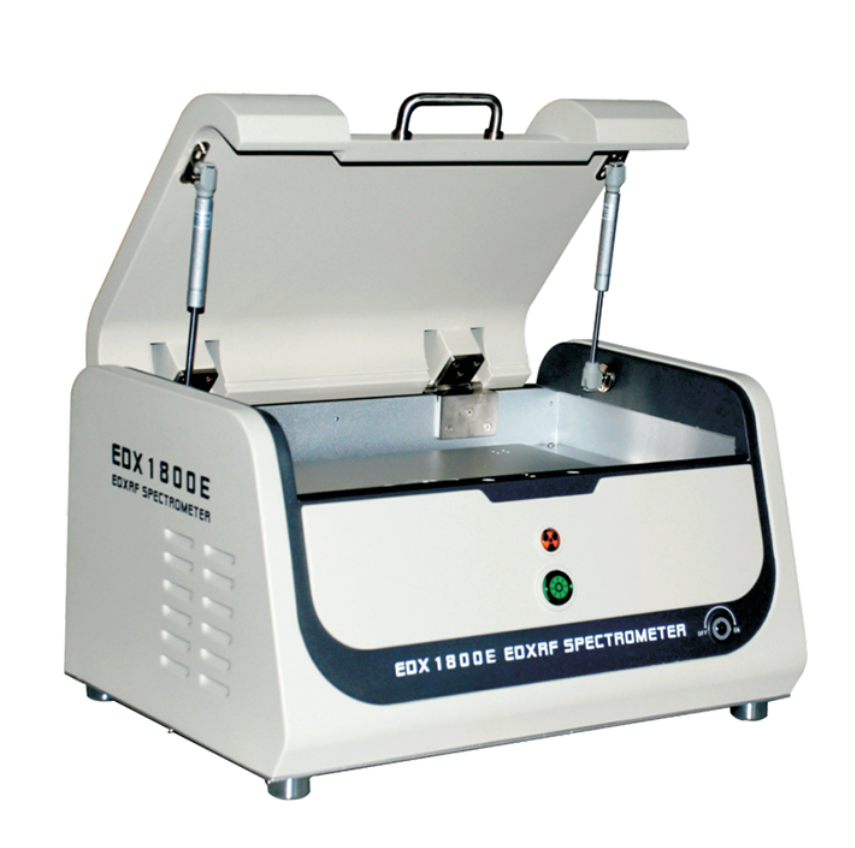
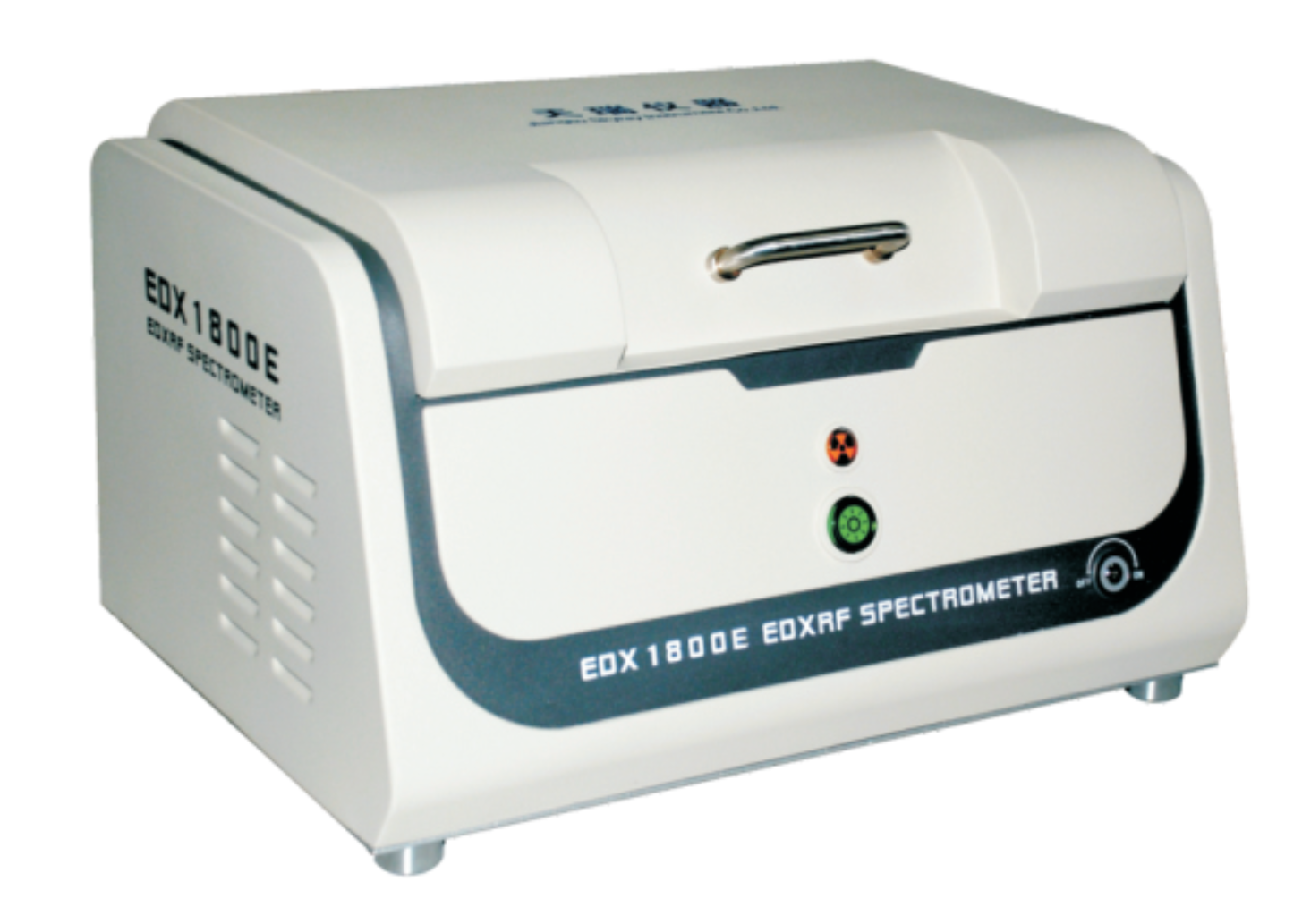
In today's complex, globalized supply chains, achieving ROHS compliance is a challenge that extends far beyond the final assembly line. A single non-compliant component—a capacitor containing lead, a plasticizer with restricted phthalates, or a coating with hexavalent chromium—can render an entire product batch non-compliant. This makes proactive supply chain management and verification absolutely critical. Manufacturers must implement a robust due diligence process, which includes demanding Declarations of Conformity (DoC) and material test reports from all suppliers. However, documentation alone is insufficient. Regular supply chain auditing and incoming inspection using appropriate ROHS testing equipment are necessary to validate claims. Reliable testing partners provide essential tools, from X-Ray Fluorescence (XRF) analyzers for fast, non-destructive screening of restricted elements to more precise laboratory-grade instruments for definitive analysis. This multi-layered verification strategy, supported by the right technology and expertise, is the most effective way to mitigate the severe financial, operational, and reputational risks associated with non-compliance, ensuring a smooth and resilient production flow.

In summary, ROHS testing is a multifaceted imperative for the electronics and electrical equipment industry. It functions simultaneously as a non-negotiable key to global market access, a cornerstone of product safety and environmental sustainability, and a critical tool for de-risking complex global supply chains. Proactive investment in reliable testing protocols and equipment is not merely a compliance cost, but a strategic investment in brand integrity, market agility, and long-term business resilience.