
Micro Vickers Hardness Tester RFQ Checklist for QC Labs
A micro Vickers hardness tester is usually purchased for metallographic labs, coating inspection, thin parts, heat treatment verification and quality control. Before requesting a quotation, buyers should define the test force range, automation level, sample type, optical system, software function and calibration requirement.
1. Confirm the sample and hardness testing method
Micro Vickers testing is used when the indentation area is small or the test location must be controlled precisely. Buyers should describe whether the samples are coatings, thin sheets, weld sections, small parts, heat-treated components or metallographic specimens. This helps the supplier recommend a suitable microhardness tester configuration.
For model comparison, review Vickers Hardness Testers and Microhardness Testers.
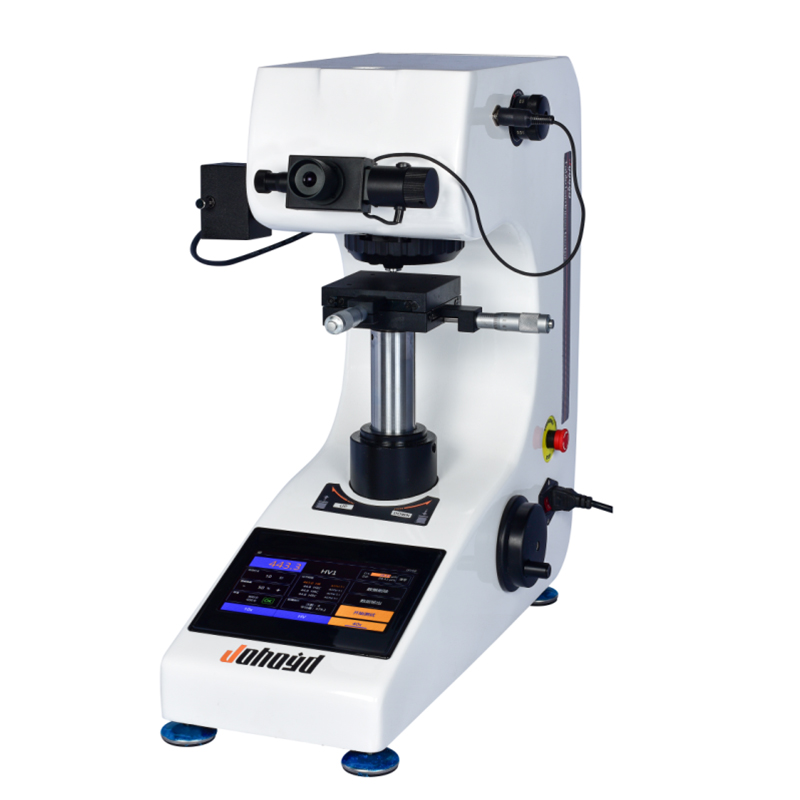
Micro Vickers hardness tester selection should match sample type, force range and measurement workflow.
2. Decide manual, semi-automatic or automatic configuration
For occasional checks, a simpler configuration may be enough. For QC labs with repeated testing, automatic turret, digital camera, software measurement and programmable XY stage can improve repeatability and efficiency. The RFQ should state daily test volume and whether the lab needs report export.
| RFQ item | What to confirm |
| Testing range | Vickers or Knoop method, test force range and applicable standards. |
| Automation | Manual measurement, automatic turret, camera, software and stage control. |
| Lab support | Standard blocks, calibration, installation, training and report format. |
3. Check optics, software and calibration documents
Indentation measurement accuracy depends on optics, image quality and operator workflow. Buyers should confirm objective magnification, camera option, measurement software, data storage and report export. For regulated QC work, calibration certificate and hardness test blocks should be included in the quotation scope.
If the lab also prepares metallographic samples, compare Metallographic Products and related grinder/polisher, mounting and cutting equipment.
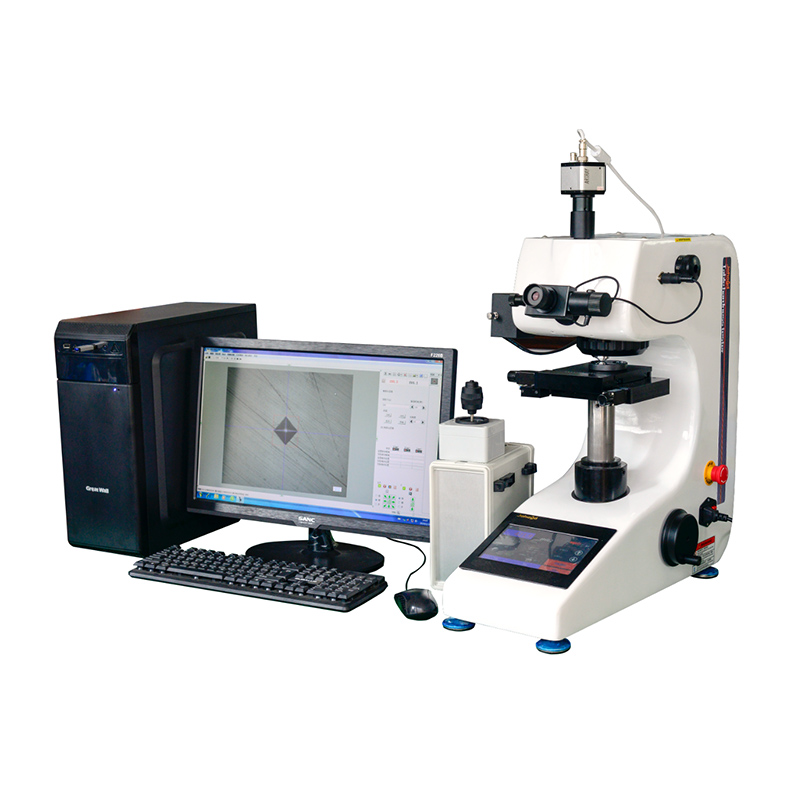
Software, calibration blocks and training should be included when comparing QC lab hardness tester quotations.
4. Compare quotations by complete lab workflow
A complete quotation should clarify instrument configuration, accessories, calibration, installation, training, warranty and after-sales support. For QC labs, repeatability and documentation are often more important than the lowest instrument price.
5. RFQ checklist for micro Vickers hardness testers
- Sample material, size, thickness, coating or cross-section testing requirement.
- Test method, force range, applicable standard and daily test volume.
- Manual, semi-automatic or automatic configuration and report export need.
- Optical magnification, camera, software, XY stage and lighting requirements.
- Standard hardness blocks, calibration certificate, installation and training.
- Warranty, spare parts, service response and delivery schedule.
FAQ
Is automatic measurement necessary?
It depends on test volume and repeatability needs. For frequent QC work, software and automatic functions can improve efficiency and reduce operator variation.
What accessories should be included?
Standard blocks, sample stage, objectives, calibration documents, software and training should be discussed before order confirmation.
Can one tester cover different hardness methods?
Some systems support multiple methods or configurations, but the buyer should confirm the required standards and force range before quotation.