


What Should Buyers Know Before Buying A Barcol Hardness Tester For Field Inspection
Barcol hardness testers are widely used in aluminum, soft metals, composites, fiberglass parts, and production environments where speed and portability matter. Because the device is small and simple to carry, many buyers assume it is also simple to purchase. In reality, field inspection creates its own risks. The instrument may be used on different shapes, different operators may hold it differently, and the tested surface may not be perfectly flat, clean, or supported. That means buyers should not evaluate a Barcol hardness tester only by price or appearance. They need to confirm whether it can deliver stable and meaningful readings under real field conditions.
Confirm Whether The Material And Surface Really Suit The Barcol Method
The first thing buyers should verify is whether Barcol testing is the right method for the target material. Barcol testers are especially useful for aluminum alloys, soft metals, and composite materials, but they are not a universal answer for every hardness task. If the material is too hard, too thin, too curved, or too sensitive to surface condition, the reading may become less meaningful. Buyers should also check whether the surface is coated, anodized, rough, or uneven, because these factors can influence the indentation response and make field readings harder to compare.
A good supplier should be able to explain where Barcol testing works well and where it should be used carefully. Buyers should ask for examples involving their own typical parts, such as aluminum profiles, sheets, castings, tanks, panels, ladders, composite housings, or fiberglass parts. If the supplier cannot relate the instrument to the actual workpiece family, the buyer may end up with a portable device that is convenient to carry but weak in practical decision-making value.
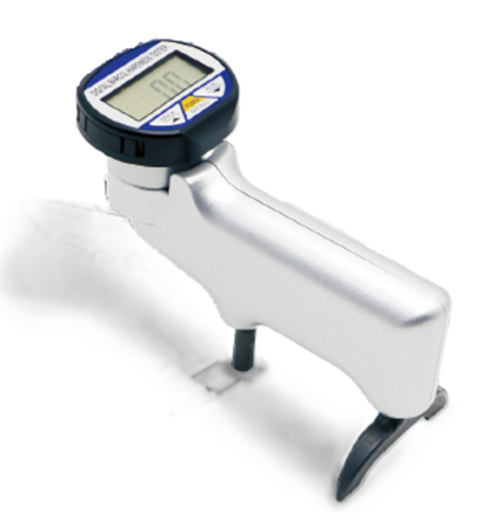
Evaluate Operator Dependence And Field Repeatability
Because Barcol testing is often used by hand, operator technique matters more than many buyers expect. The stability of contact, holding angle, support under the part, and consistency of test location can all affect the result. In a laboratory, these factors may be controlled. In a workshop, warehouse, construction site, or outdoor inspection area, they are harder to manage. This is why buyers should pay special attention to repeatability in practical use instead of assuming that a simple instrument will automatically give simple, repeatable results.
A useful evaluation method is to ask for repeated tests on representative field parts, preferably by more than one operator. Buyers should compare not only the average result but also the variation between measurements. If the instrument gives acceptable readings only in ideal conditions, it may disappoint in real field service. If it maintains good agreement across different users and different part positions, that is a much stronger sign of value. In field inspection, reliability is often more important than advanced display functions.
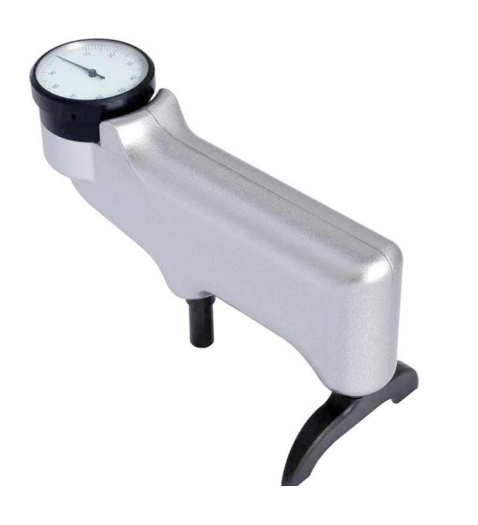
Check Calibration, Reference Blocks, And Daily Use Support
Even a small field instrument should be supported by proper verification and maintenance. Buyers should ask whether reference blocks are available, how often verification is recommended, what the expected wear items are, and whether local or remote support exists. A Barcol tester is often chosen because it seems quick and practical, but if the buyer cannot verify its condition easily, confidence in the readings will drop over time. In quality control, convenience without control quickly becomes risk.
Buyers should also compare carrying case design, reading clarity, ease of zero check, and the availability of simple work instructions for operators. These small details strongly influence whether the tester will actually be used correctly in the field. A good Barcol hardness tester for field inspection is not just portable. It is easy to verify, easy to standardize, and easy to trust during repeated daily use.
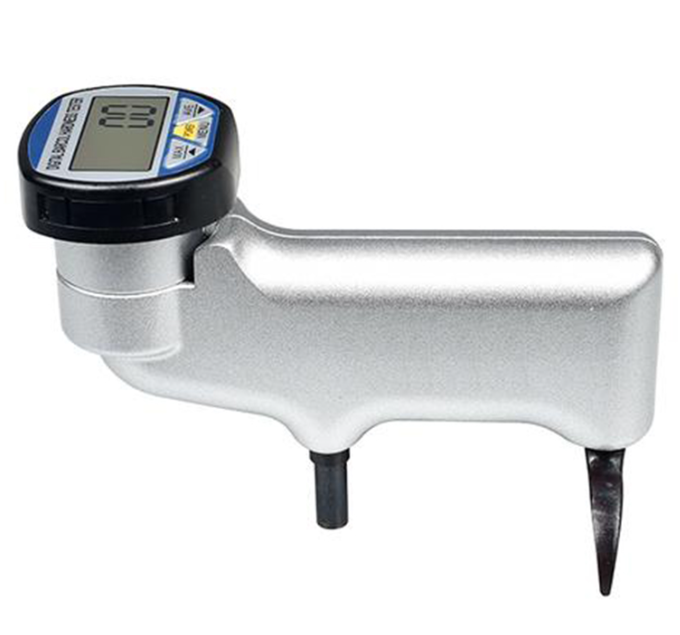
Before buying a Barcol hardness tester for field inspection, buyers should confirm three things clearly: whether the method suits the material, whether the readings remain stable in real operator use, and whether verification support is practical. When these points are confirmed, the tester becomes a fast and valuable field tool. When they are ignored, the same tester can become a source of uncertain decisions.