


What is an Environmental Test Chamber and How Does It Work?
What is an Environmental Test Chamber and How Does It Work?
An Environmental Test Chamber is a precision-engineered enclosure that artificially simulates and controls specific climatic conditions to evaluate how products, materials, and components will perform, endure, or degrade under various environmental stresses. It serves as an accelerated aging and reliability testing tool, allowing manufacturers to predict product lifespan, identify design weaknesses, and ensure compliance with international standards—all within a controlled laboratory setting. These chambers are critical for quality assurance and research & development (R&D) across industries like electronics, automotive, aerospace, pharmaceuticals, and consumer goods. By exposing items to precise levels of temperature, humidity, thermal shock, corrosion, or altitude (vacuum), engineers can answer crucial questions: Will a smartphone battery fail in extreme cold? Can an automotive seal withstand prolonged humidity? Will a medical device function after rapid temperature cycling? Suppliers like Suzhou Xinhe, providing robust testing solutions, enable companies to conduct this rigorous validation, significantly reducing the risk of costly field failures and recalls.
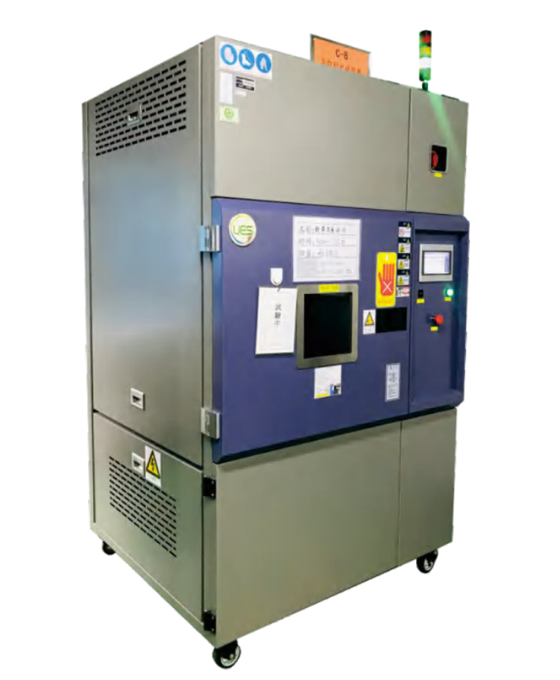
Core Components and the Working Principle
The operation of an environmental chamber hinges on a closed-loop system of interrelated core components working in concert. At its heart is the insulated test space (work zone), where samples are placed. The desired conditions are created and maintained by a climate generation and control system. For temperature, this involves a refrigeration circuit (compressor, condenser, evaporator) to remove heat for sub-ambient tests, and electric heaters to add heat for elevated temperatures. Humidity is typically generated by a water boiler or steam generator and injected into the air stream, while precise control is achieved by modulating both humidification and dehumidification (often via the cold evaporator coil). A powerful air circulation system, using fans and strategically placed ducts, ensures uniform distribution of temperature and humidity throughout the work zone, eliminating hot or cold spots. The entire process is governed by a sophisticated programmable controller, which continuously monitors conditions via sensors (like PT100 RTDs for temperature) and automatically adjusts the heating, cooling, and humidification systems to maintain the user-defined test profile with high stability and accuracy. This closed-loop feedback is what enables precise simulation of everything from a steady-state soak to complex multi-step cycles.
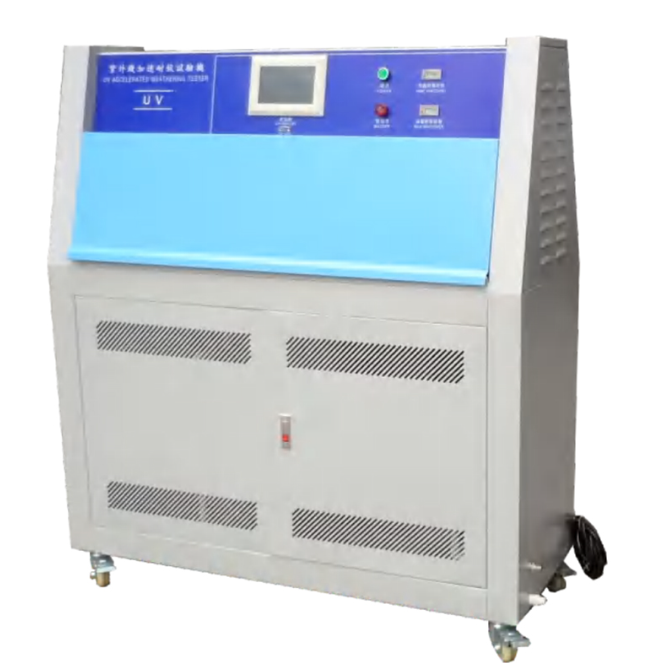
From Simple Simulation to Complex Accelerated Testing
The fundamental working principle enables a wide spectrum of test methodologies. The most basic is a steady-state test, where a product is held at a constant high temperature (e.g., 85°C) or low temperature (e.g., -40°C) for a specified duration to assess thermal endurance. More advanced is temperature cycling, where the chamber rapidly switches between high and low extremes to induce stress from thermal expansion and contraction, revealing solder joint failures or material cracks. Thermal shock testing takes this further, using separate hot and cold zones to transfer products rapidly for an even more severe test. Humidity testing, often combined with temperature, evaluates resistance to moisture absorption, corrosion, and fungal growth. Sophisticated chambers can run intricate combined environmental stress tests, such as Temperature-Humidity-Vibration, which closely mimics real-world conditions like a product shipping in a humid, bumpy truck. By compressing years of potential environmental exposure into days or weeks of controlled testing, chambers like those from Suzhou Xinhe provide invaluable data on product reliability, safety, and quality, enabling design improvements and giving manufacturers confidence before launch.
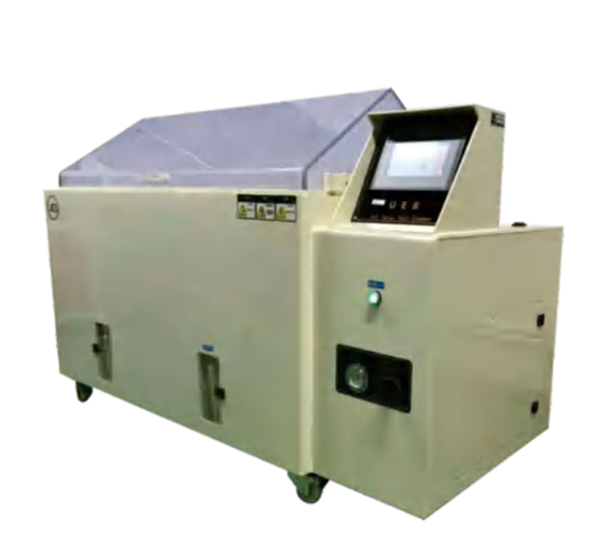
An Environmental Test Chamber is a sophisticated simulation engine that replicates the world's harshest conditions within a secure box. Through a precisely orchestrated interplay of heating, cooling, humidification, and control systems, it accelerates time, revealing how products will behave over their lifetime. This process is indispensable for building durable, reliable, and safe products that meet the stringent demands of the global market.