


How Ultrasonic Welding Creates Strong, Reliable Bonds for Plastics and Metals
How Ultrasonic Welding Creates Strong, Reliable Bonds for Plastics and Metals
Frictional Fusion: The Core Mechanism of Molecular Bonding
The fundamental principle behind ultrasonic welding is the efficient conversion of high-frequency electrical energy into mechanical vibrations. In a typical setup, a power supply generates a 20kHz or 15kHz signal, which is then transformed by a piezoelectric transducer into linear, ultrasonic-frequency vibrations. These vibrations are amplified by a booster and transmitted through a specially shaped component called a horn. When the vibrating horn contacts the parts to be joined under pressure, the high-frequency friction at the interface generates localized heat. Crucially, this heat is produced precisely at the intended bonding area, causing the material to melt almost instantaneously without significant heat transfer to the surrounding zones. For thermoplastics, this frictional heat melts the polymer chains, allowing them to intermix and form a molecular-level weld upon cooling. For metals, especially ductile ones like aluminum or copper, the intense vibration disrupts surface oxides and creates a solid-state bond through plastic deformation and atomic diffusion, a process requiring precise control of amplitude, pressure, and time provided by advanced ultrasonic welders like those from Xinhe (Skyline).
Equipment Precision: Key Components for Controlled Energy Delivery
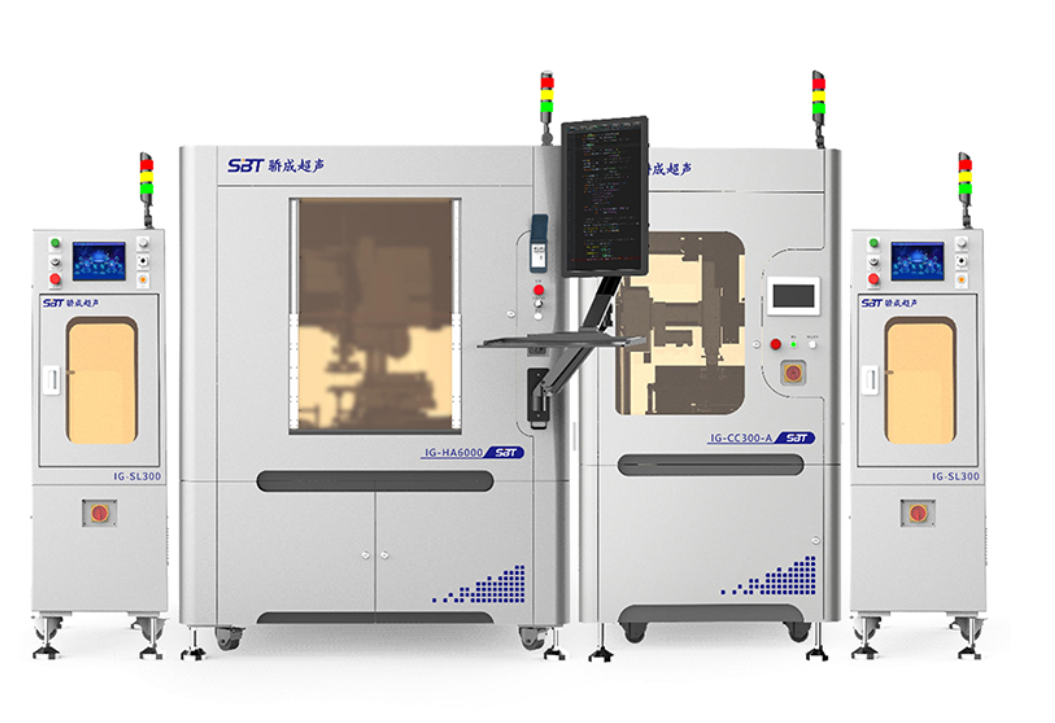
Achieving a consistent and strong bond relies entirely on the precision and synergy of the ultrasonic welding system's key components. The process begins with the generator (power supply), which controls the frequency, amplitude, and duration of the ultrasonic energy. The transducer (converter) is the heart, converting electrical signals into mechanical vibrations. The booster modifies the vibration amplitude to the optimal level, while the welding horn (sonotrode), customized to the part's geometry, delivers the vibrations directly to the weld interface. For applications like terminal welding or pin welding, the horn design is critical to concentrate energy on small, specific contact points. Simultaneously, a precision fixture (nesting) holds the parts immobile, ensuring perfect contact and alignment. Modern systems from suppliers like Xinhe integrate programmable logic controllers (PLCs) for repeatable welding parameter control, monitoring real-time data like welding time, energy, and pressure to guarantee each weld meets stringent quality standards, making the process ideal for automated production lines.
Material Science and Application-Specific Advantages
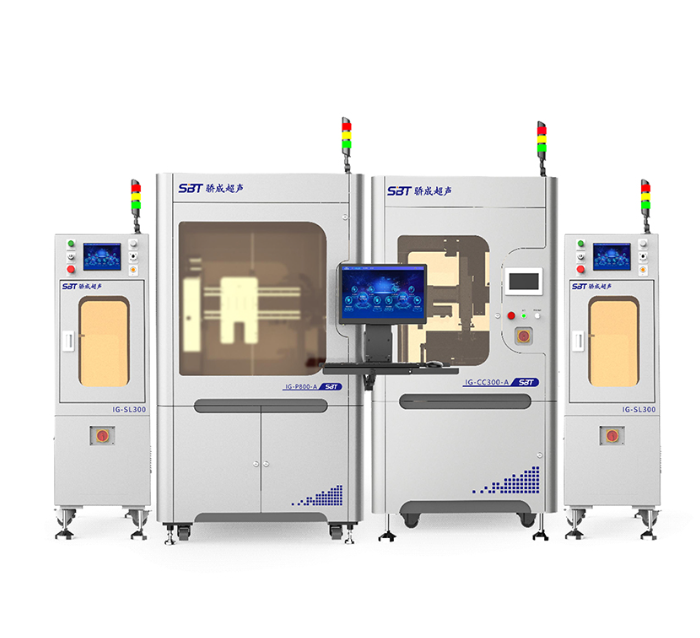
The success of ultrasonic welding is deeply rooted in material science. For plastics, amorphous polymers like ABS and polycarbonate weld more readily than semi-crystalline ones like polypropylene, requiring tailored parameters. In metal welding, the process excels with non-ferrous metals, creating bonds without melting points, thus avoiding brittle intermetallic compounds. This makes it perfect for electrical connections in automotive wiring harnesses or battery terminals. Specific models, such as terminal ultrasonic welders, are engineered for reliable wire-to-terminal crimping, while pin welders secure small components on circuit boards. The wire bonder ultrasonic welder is indispensable in semiconductor packaging for creating fine gold or aluminum wire connections. The advantages are profound: the solid-state bonding for metals preserves conductivity, the fast cycle time (often under one second) boosts productivity, the clean process produces no sparks or fumes, and it eliminates the need for consumables like solder or adhesives, reducing cost and environmental impact.
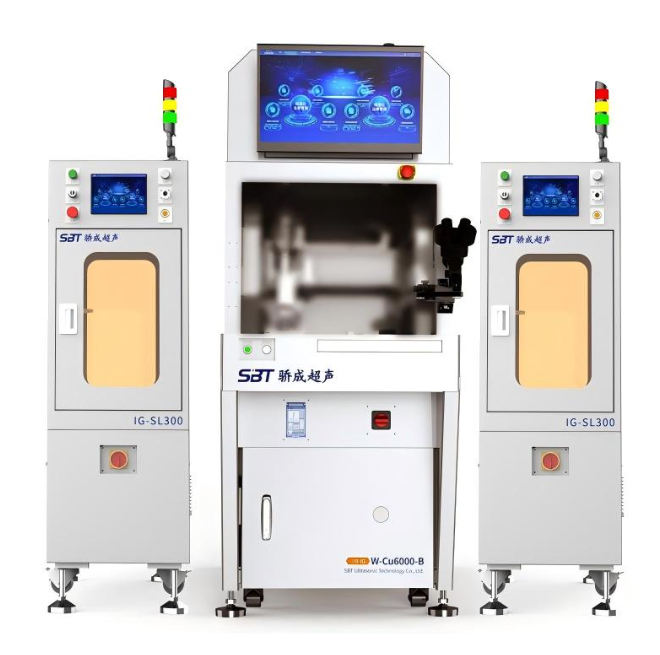
In summary, ultrasonic welding establishes robust bonds through a sophisticated interplay of targeted frictional energy, precision-engineered equipment, and material-specific principles. It transcends being merely a joining technique; it is a controllable, efficient, and clean manufacturing solution. For industries ranging from automotive and electronics to medical devices, partnering with a knowledgeable provider like Xinhe ensures access to optimized ultrasonic welding equipment and expertise, unlocking the full potential of this advanced technology for superior product reliability and manufacturing efficiency.