


How to Choose the Right Ultrasonic Welder
How to Choose the Right Ultrasonic Welder
Selecting the correct ultrasonic welder is a critical decision that directly impacts production efficiency, weld quality, and overall cost-effectiveness. It begins with a meticulous analysis of your application requirements. The primary considerations are the materials to be joined (e.g., ABS, polycarbonate, nylon, or metals) and the part design, including joint geometry, wall thickness, and intended contact area. The application's nature—whether it's a high-volume, simple hermetic seal or a complex, three-dimensional assembly—dictates the necessary power output, typically ranging from 700 watts for delicate components to 5,000 watts or more for large or challenging welds. Furthermore, the production environment is key; a high-speed automated line demands a robust, reliable system with quick cycle times, while a lab setting for prototyping may prioritize versatility and ease of adjustment. Leading manufacturers and suppliers, such as Suzhou Xinhe, offer comprehensive support to guide users through this initial assessment, ensuring the selected machine aligns perfectly with the end goal, whether it's for manufacturing medical devices, automotive parts, or consumer electronics.
Evaluating Key Machine Specifications and Components
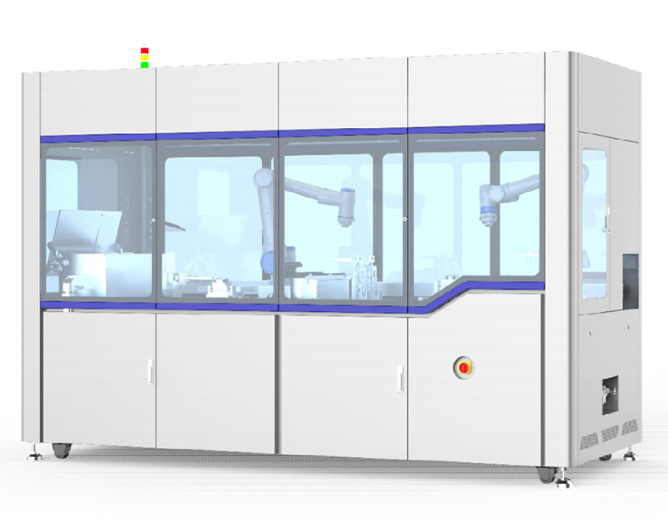
Once the application profile is clear, evaluating the technical specifications and core components of the welder is essential. The power output (wattage) must be sufficient for the task; insufficient power leads to weak welds, while excessive power can damage parts or the tooling. The frequency is another critical factor; 20 kHz systems are common for general plastics welding, while 15 kHz or 35/40 kHz systems are chosen for specific materials or applications requiring different amplitudes. Pay close attention to the quality and design of the acoustic stack—the converter, booster, and horn. A precisely tuned, high-quality horn is crucial for efficient energy transfer and consistent results. Modern digital welders, like those offered by industry leaders, provide superior control with features such as welding by energy, time, or distance, and offer advanced feedback systems for process monitoring. Features like amplitude regulation, programmable pressure profiles, and data logging for traceability are invaluable for achieving repeatable quality in regulated industries. It is advisable to partner with a supplier that provides not only robust equipment, like the solutions from Suzhou Xinhe, but also expert assistance in horn and fixture design, as improper tooling is a leading cause of welding failure.
Considering Support, Standards, and Long-Term Value
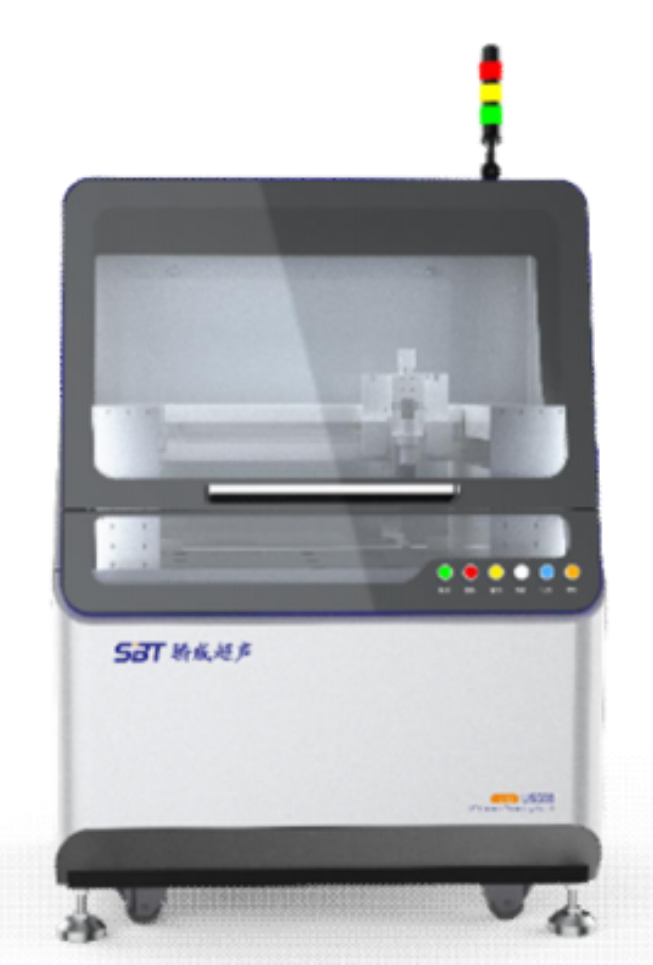
The final selection criteria extend beyond the machine itself to encompass the supplier's ecosystem. Reliable technical support, training, and availability of spare parts are non-negotiable for minimizing downtime. A supplier with deep application knowledge can be an invaluable partner in troubleshooting and process optimization. Ensure the equipment is designed to meet or exceed relevant safety and industry standards, which is critical for operator protection and market access. For manufacturers operating in global markets like Vietnam, partnering with a local expert such as Skyline International, which supplies and supports premium brands like Suzhou Xinhe, ensures ready access to service, consumables, and application expertise. This local presence mitigates supply chain risks and provides a significant advantage. Finally, consider the total cost of ownership (TCO). While the initial purchase price is a factor, the long-term value derived from energy efficiency, weld consistency (reducing scrap), machine durability, and the supplier's support network ultimately determines the return on investment. A machine that delivers flawless welds for years, backed by expert local support, is a far wiser investment than a cheaper, unsupported alternative.
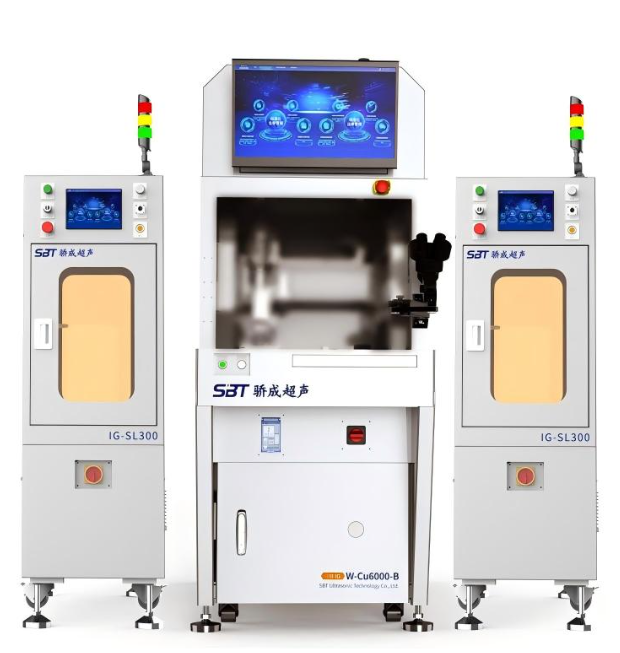
Choosing the right ultrasonic welder is a strategic process that balances material science, technical specifications, and supplier partnership. By thoroughly defining the application, scrutinizing the machine's core capabilities, and prioritizing long-term support and compliance, manufacturers can secure a welding solution that drives quality, efficiency, and profitability on the production floor for years to come.