


Comparative Analysis of Electronic and Hydraulic Universal Testing Machines
Comparative Analysis of Electronic and Hydraulic Universal Testing Machines
Fundamental Principles: Precision Control vs. High-Force Capability
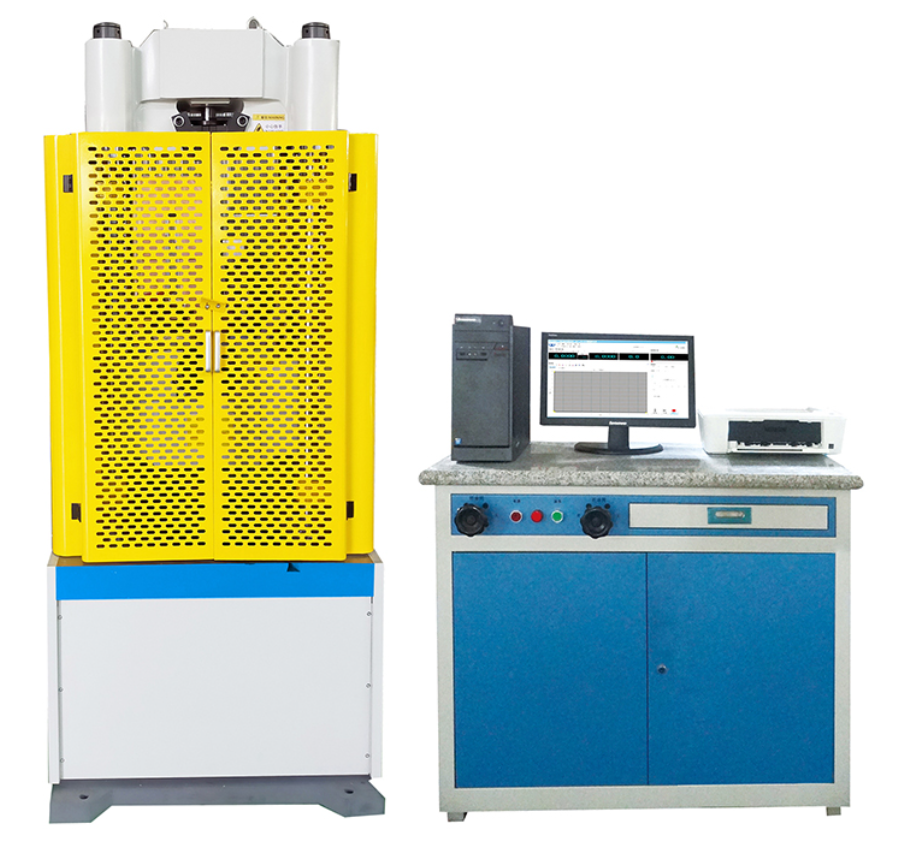
The core distinction between electronic and hydraulic universal testing machines lies in their fundamental drive and control mechanisms, which directly dictate their performance characteristics. Electronic Universal Testing Machines (UTMs), such as those offered by Skyline International, utilize a precision servo motor and ball screw system to generate and apply force. This electromechanical principle allows for exceptionally accurate control over the crosshead movement, enabling highly precise speed control and positioning resolution. This makes electronic UTMs ideal for applications requiring low to medium force capacities (typically up to 300 kN) and superior accuracy, such as testing polymers, textiles, thin metals, and other materials where precise strain data is critical. In contrast, Hydraulic Universal Testing Machines operate on a hydraulic piston system powered by an oil pump. The primary advantage of this design is its ability to generate immense forces efficiently, often ranging from a few kN to several thousand kN, making it the only viable option for testing high-strength materials like heavy-duty steel, concrete, and large composites. However, achieving precise control at very low speeds can be more challenging with hydraulic systems compared to their electronic counterparts.
Performance and Application: Where Each Technology Excels
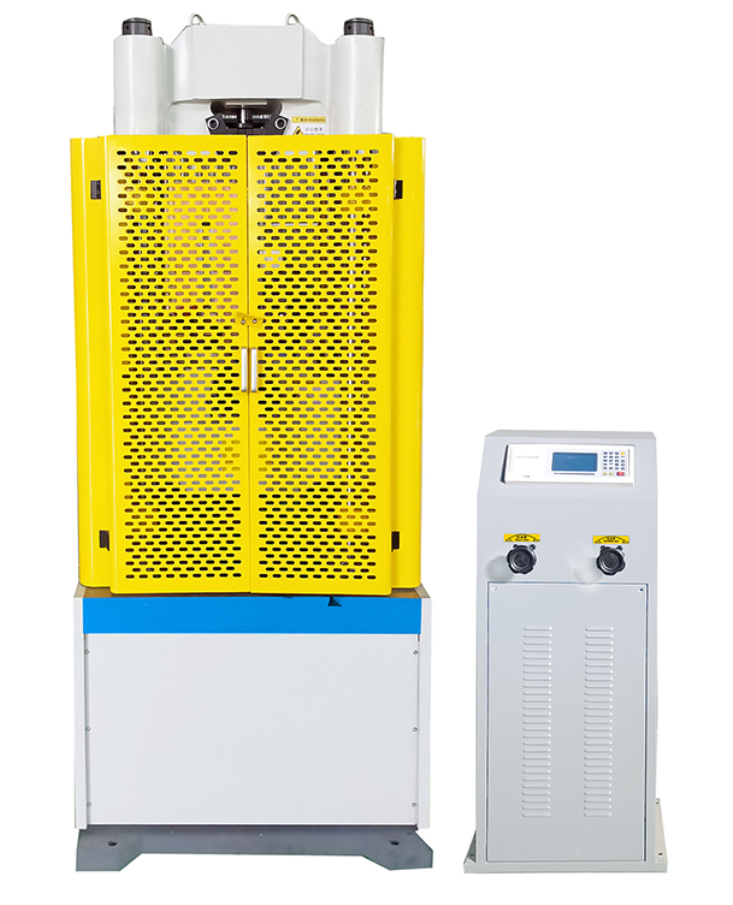
The differing principles of operation naturally lead to distinct performance profiles, making each type of machine uniquely suited for specific testing applications. Electronic UTMs excel in scenarios demanding high throughput, ease of use, and clean operation. Their rapid actuator response and advanced digital controllers facilitate the execution of complex test profiles, including fatigue cycles at lower frequencies. The absence of hydraulic oil eliminates the risk of leaks, making them cleaner and suitable for environmentally sensitive labs, such as those in the medical device or electronics industries. They are the preferred choice for standard tension, compression, and flexure tests on a wide range of materials within their force range. Hydraulic UTMs, on the other hand, are the workhorses for high-force, high-energy applications. They are indispensable for static tests on construction materials (e.g., rebar, concrete cylinders), large components, and for performing demanding tests like fracture toughness or fatigue tests that require high cyclic forces. While traditionally requiring more maintenance (e.g., oil filters, seals) and floor space, modern servo-hydraulic systems have significantly improved control accuracy and reliability, bridging the gap for many industrial applications.
Operational and Economic Considerations: Total Cost of Ownership
Beyond technical capabilities, the choice between electronic and hydraulic systems involves significant operational and economic considerations that impact the total cost of ownership (TCO). Electronic UTMs generally have a lower operational footprint. They are more energy-efficient, as power is consumed primarily during active loading, unlike hydraulic systems that may require a constantly running pump. Maintenance is typically simpler, involving less frequent lubrication and no hydraulic oil changes or filter replacements, leading to lower long-term upkeep costs and minimal downtime. Their compact size and clean operation also save valuable laboratory space. Hydraulic UTMs, while potentially having a higher operational cost due to energy consumption and fluid maintenance, offer an unparalleled advantage in terms of force generation per unit cost. For high-capacity testing, a hydraulic machine is often more economical to purchase and operate than an electronic machine of equivalent force, which would be prohibitively large and expensive. The decision, therefore, hinges on the specific force requirements, testing volume, available lab infrastructure, and budget constraints, balancing upfront investment against long-term operational expenses.
Selecting the Right Tool for the Task
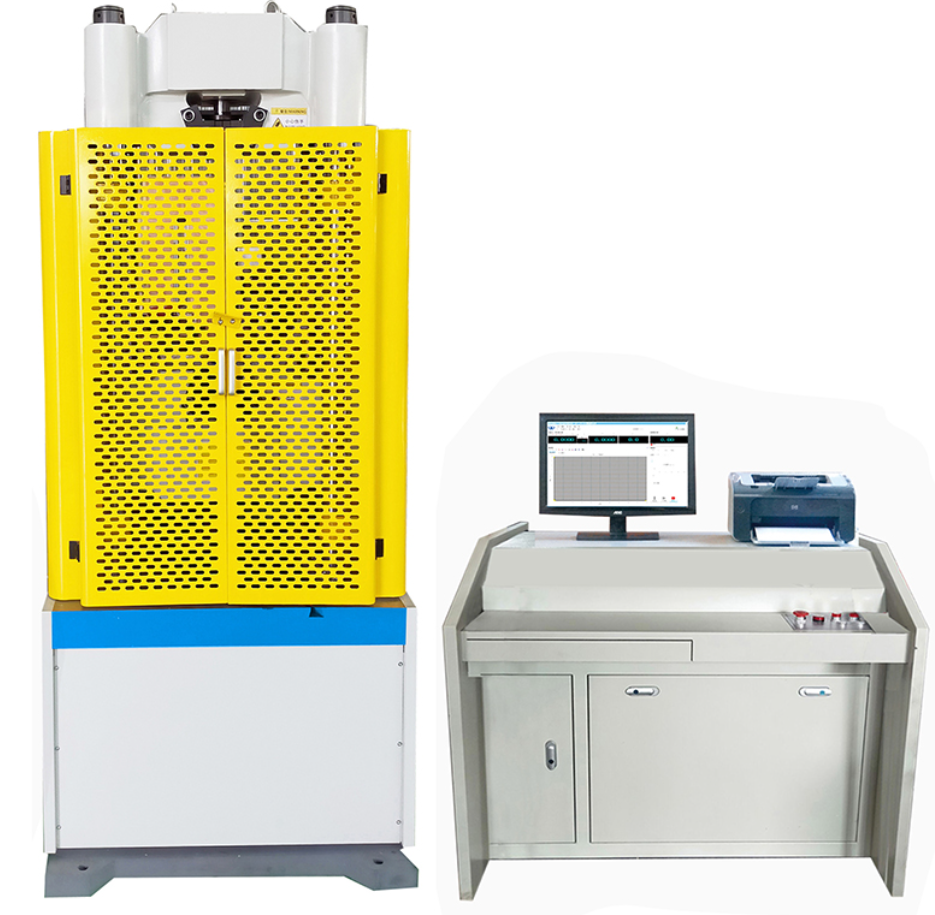
In conclusion, the choice between an electronic and a hydraulic universal testing machine is not a matter of one being superior to the other, but rather a strategic decision based on application requirements. Electronic UTMs are the champions of precision, speed, and clean operation for low-to-medium force applications, ideal for quality control and R&D labs handling smaller specimens. Hydraulic UTMs remain the undisputed choice for high-force, high-energy applications, providing the robust power needed to test construction materials and large components. Suppliers like Skyline International, offering both technologies, empower manufacturers to select the optimal testing solution that aligns with their specific material testing needs, force capacity requirements, and operational constraints, ensuring accurate and reliable data for informed decision-making.