-
05-17 2026
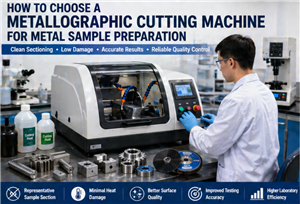
How To Choose A Metallographic Cutting Machine For Metal Sample Preparation
A metallographic cutting machine should be selected based on the real sample material, size, hardness, shape, and final testing purpose. For hardness testing and microstructure analysis, the cutting process must control heat, deformation, cracks, and surface damage. Buyers should check cutting capacity, machine rigidity, cutting wheel compatibility, coolant system, clamping fixtures, feed control, safety design, and maintenance support before ordering. If the laboratory prepares many different sample types, flexible fixtures and proper cutting wheel recommendations are especially important. A suitable cutting machine improves the entire sample preparation workflow. It reduces grinding time, protects the material structure, improves polishing quality, and supports more reliable hardness testing and metallographic analysis.
-
05-09 2026
How To Prepare Metallographic Samples Before Hardness Testing
Metallographic sample preparation is an important part of hardness testing accuracy. A properly cut, mounted, ground, polished, cleaned, and supported sample helps produce clear indentations and repeatable hardness values. This is especially important for Vickers, Micro Vickers, coatings, case depth analysis, weld sections, and small precision components. Buyers should not treat sample preparation as a secondary process. The hardness tester and preparation equipment should be selected together according to material type, sample geometry, testing method, daily workload, and documentation requirements. A complete preparation workflow can reduce testing errors, improve laboratory efficiency, and make quality control results more trustworthy for production teams, customers, and inspection records.