Why Hardness Test Results Are Unstable And How To Fix The Testing Process
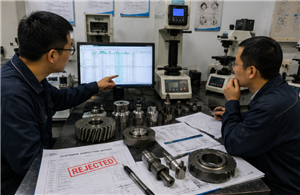
Unstable hardness test results should be handled as a process problem. The cause may be the sample surface, sample support, selected method, test scale, force, indenter, calibration block, operator procedure, sample preparation, software measurement, or machine condition.
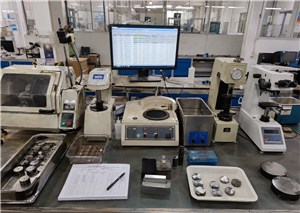
A reliable hardness testing workflow should include correct method selection, proper sample preparation, suitable fixtures, certified calibration blocks, inspected indenters, standard operating procedures, and traceable report records. For Vickers, Micro Vickers, and Brinell testing, digital or automatic vision measurement can further reduce human variation.
If your QC lab is facing unstable readings, repeated retesting, customer disputes, or unclear hardness reports, a complete process review can help identify the real cause and build a more stable hardness testing system.