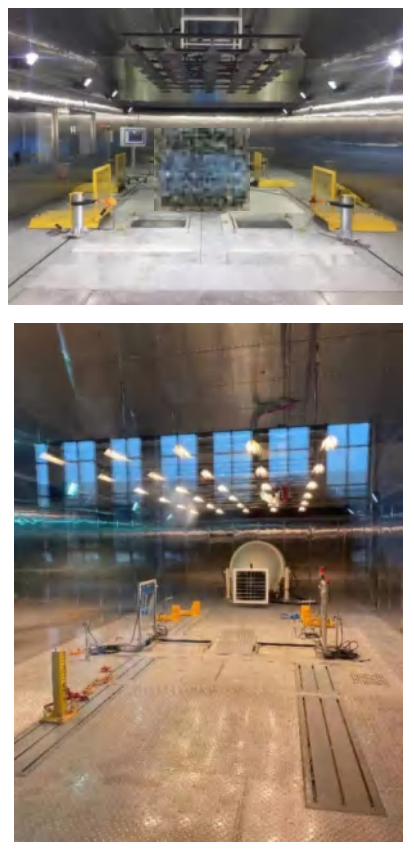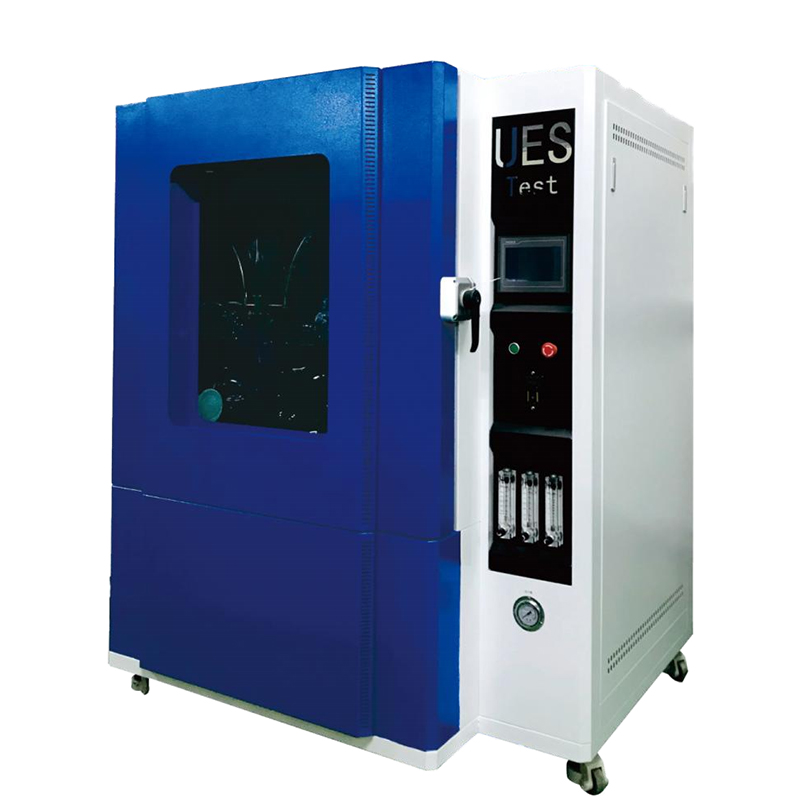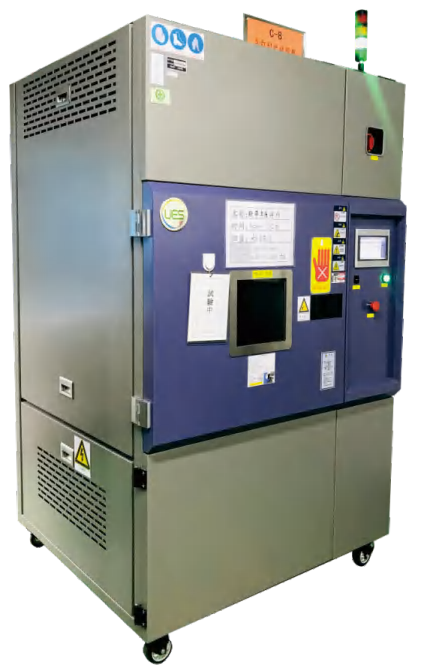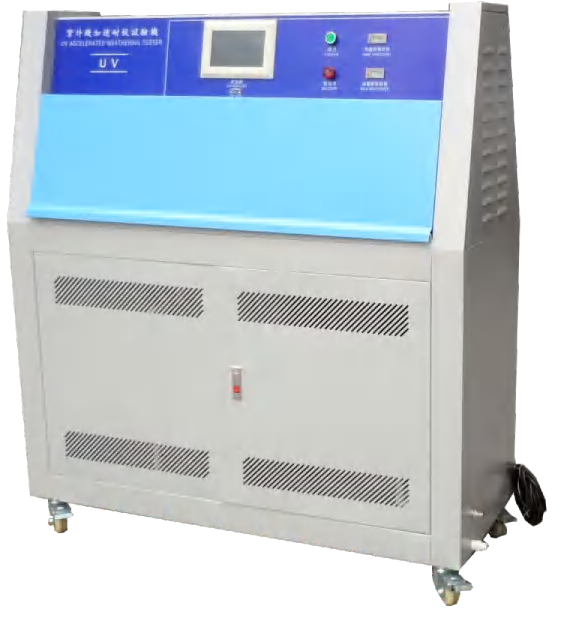


Salt Spray Corrosion Test Chamber for Environmental Reliability Testing
The Salt Spray Corrosion Test Chamber is a pivotal tool for assessing product corrosion resistance. Applied across electronics, automotive, construction, and more, it simulates harsh salt - mist, humidity, and corrosive environments. Key highlights include dry/wet heating options, customizable dimensions, and a range of models (neutral/complex salt spray). It accelerates product life testing, ensuring reliability from R&D to quality control, with precise temp/humidity control and uniform salt - mist distribution for repeatable results.
Product Introduction
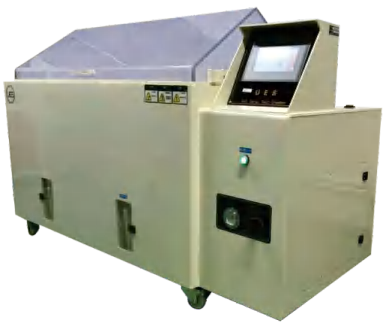
1. Application Scope
The Salt Spray Corrosion Test Chamber serves as an essential asset across diverse industries. In electronics, it rigorously tests circuit boards, connectors, and precision components for corrosion resistance, ensuring functionality in humid coastal areas or industrial environments. The automotive sector relies on it to evaluate parts exposed to road salts, exhaust fumes, and extreme weather—guaranteeing durability for engines, chassis, and electrical systems. For construction materials (like coatings, metals, and composites), it verifies longevity against salt - laden atmospheres. Additionally, instrumentation, chemical, and marine industries leverage it to simulate aggressive environmental conditions during product development.
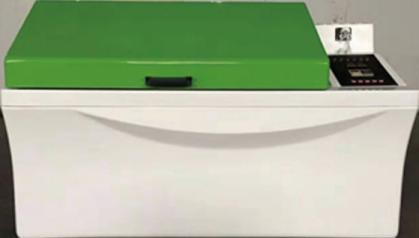
2. Working Principle
This chamber replicates real - world corrosive scenarios by generating a controlled salt - mist environment. A saline solution is atomized into fine droplets, which are then circulated within the chamber. It maintains precise parameters:
Temperature: Stabilized at target levels (e.g., + 35°C for neutral salt spray, - 40°C to + 70°C for composite models).
Humidity: Regulated to specified ranges (e.g., 30% - 98% RH for composite tests).
Salt Mist Deposition: Controlled flow rates (1 - 3ml/80cm²/h) ensure uniform coverage, accelerating corrosion processes to evaluate material/coating performance in compressed timeframes.
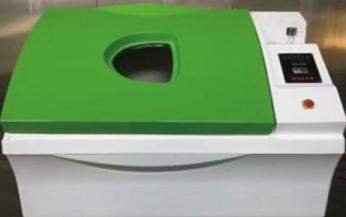
3. Model Diversity
Neutral Salt Spray Test Chambers (UYW Series): Designed for standard corrosion testing. Sizes range from compact (UYW - 108, 108L) for small components to large - scale (UYW - 1200, 1200L) for bulkier industrial parts. They deliver consistent salt - mist conditions, ideal for verifying basic corrosion resistance.
Composite Salt Spray Test Chambers (UGYW Series): Add complexity with temperature cycling (- 40°C to + 70°C) and humidity variation (30% - 98% RH). These models mimic extreme climates (e.g., freeze - thaw cycles, high - humidity coasts), testing products under multi - stressor scenarios.
4. Technical Advantages
Precision Engineering: Advanced sensors and controllers ensure temperature accuracy (±0.5°C) and humidity stability (±2% RH), guaranteeing repeatable test results.
Customization: Every model offers tailored dimensions to accommodate unique sample sizes—from tiny electronic modules to large construction panels.
Durable Build: High - grade stainless - steel interiors resist corrosion, ensuring long - term reliability even in harsh testing environments.
Efficient Mist Distribution: Optimized nozzles and airflow systems prevent uneven salt deposition, eliminating “hot spots” and ensuring all samples face identical corrosion challenges.
5. Value in R&D & Quality Assurance
For R&D teams, the chamber shortens product development cycles by rapidly identifying weak points in materials or coatings. In quality control, it validates compliance with international standards (e.g., ASTM B117, GB/T 2423.17), reducing field failures and warranty claims. Manufacturers also use it to benchmark new anti - corrosion technologies, driving innovation in product design.
6. After - Sales Support
We provide end - to - end support: installation guidance, operator training, and preventive maintenance. Our technical team offers 24/7 remote troubleshooting, ensuring uninterrupted testing operations and maximizing ROI.