


In-Lab vs. Portable Leeb Hardness Testers: Pros and Cons
Advantages and disadvantages of laboratory and portable Leeb hardness testers
The Case for Laboratory Leeb Hardness Testers
The Leeb hardness tester, a dynamic hardness testing method based on the principle of impact energy, is renowned for its versatility across various metal alloys. When configured for laboratory use, these testers reach their peak in terms of precision and stability. Laboratory-grade Leeb testers are often mounted on a robust stand, which ensures perfect perpendicularity during impact and minimizes operator influence. This setup, combined with a controlled laboratory environment free from temperature fluctuations and vibrations, guarantees highly repeatable and accurate readings that are essential for rigorous quality certification and research and development (R&D) applications. Furthermore, laboratory models often feature advanced data output options, seamlessly integrating with laboratory information management systems (LIMS) for comprehensive data tracking and analysis. For manufacturers like Suzhou Xinhe that supply precision instruments, the laboratory Leeb tester is the instrument of choice for calibrating master samples, conducting detailed material studies, and for any application where the highest level of data integrity is non-negotiable. However, the primary disadvantage is its lack of mobility; it is designed to test samples that can be brought to the machine, limiting its use for large, assembled, or fixed components.
The Strengths of Portable Leeb Hardness Testers
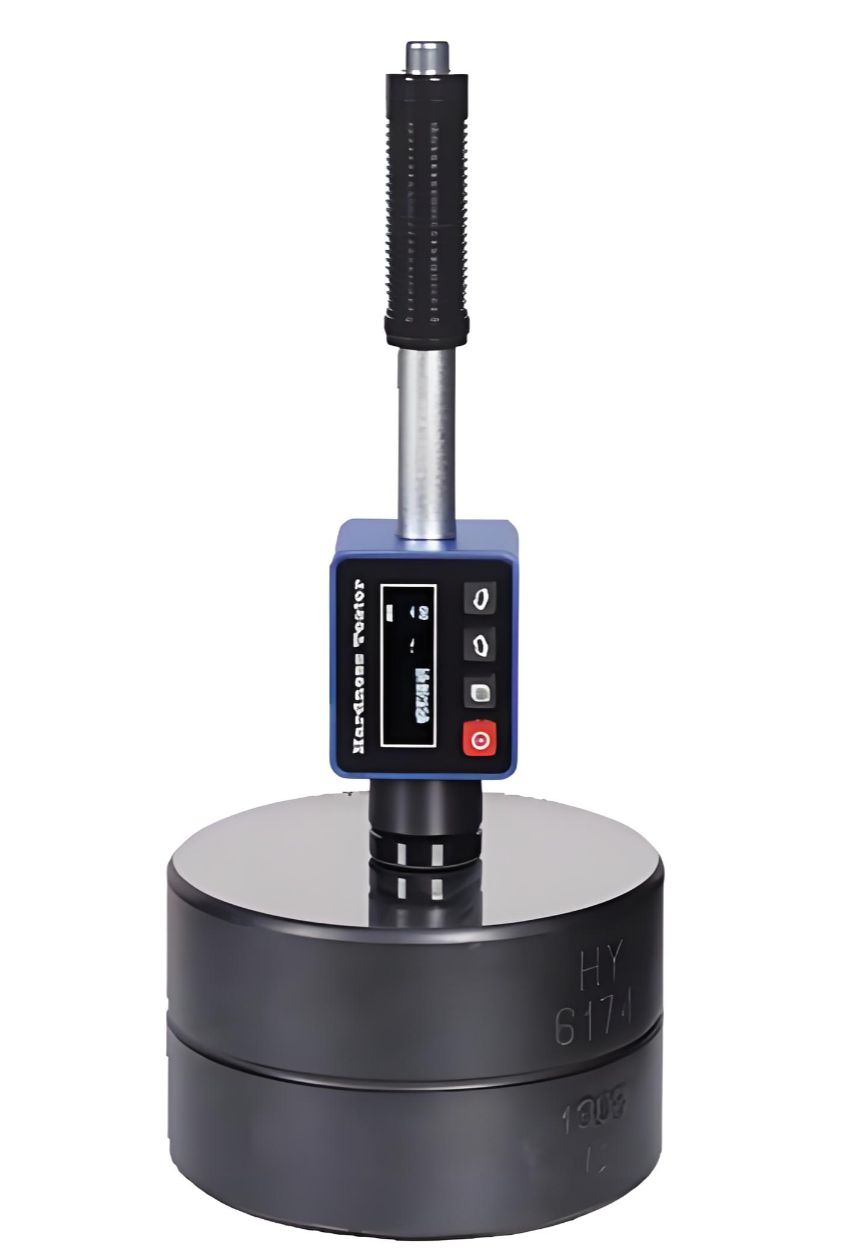
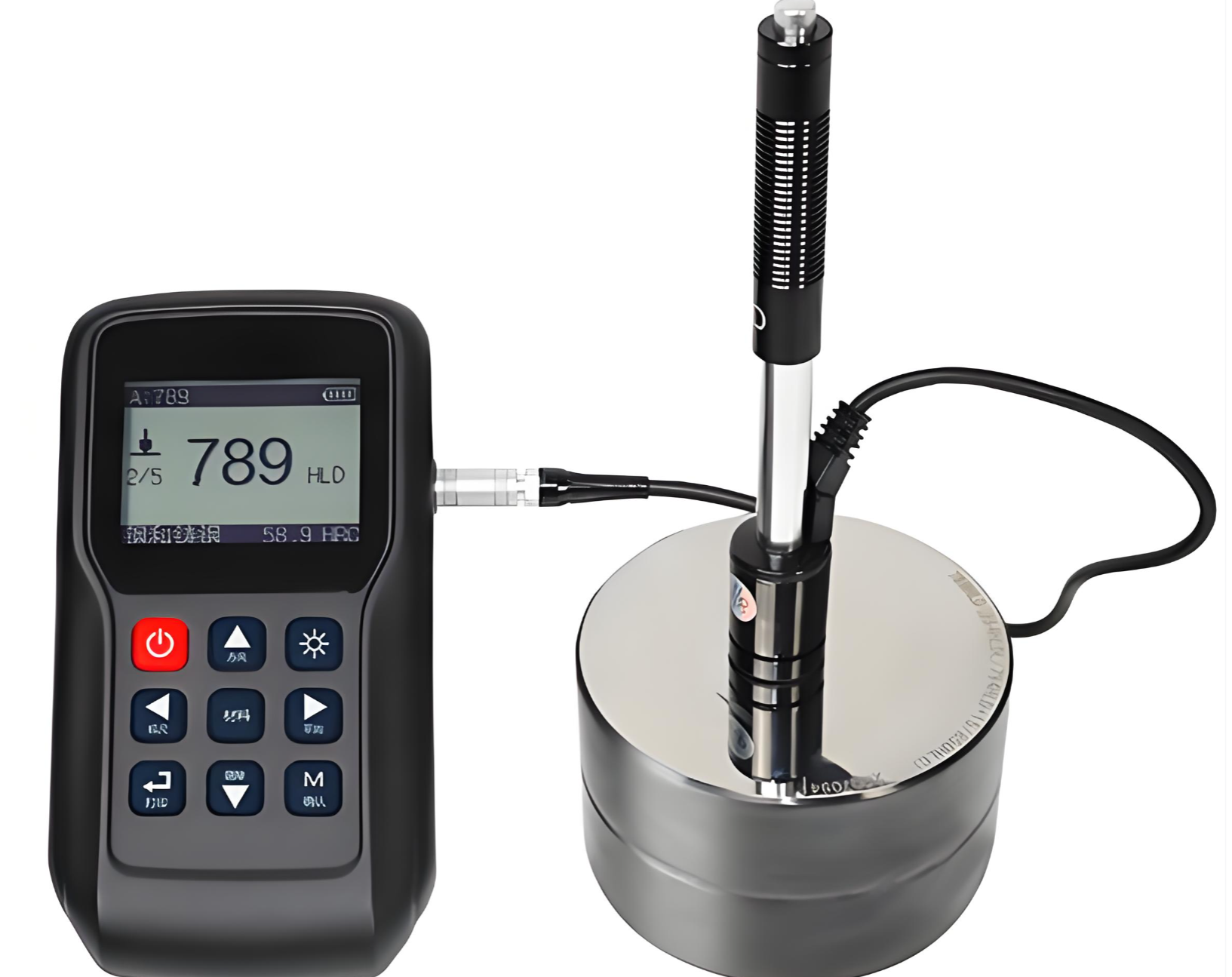
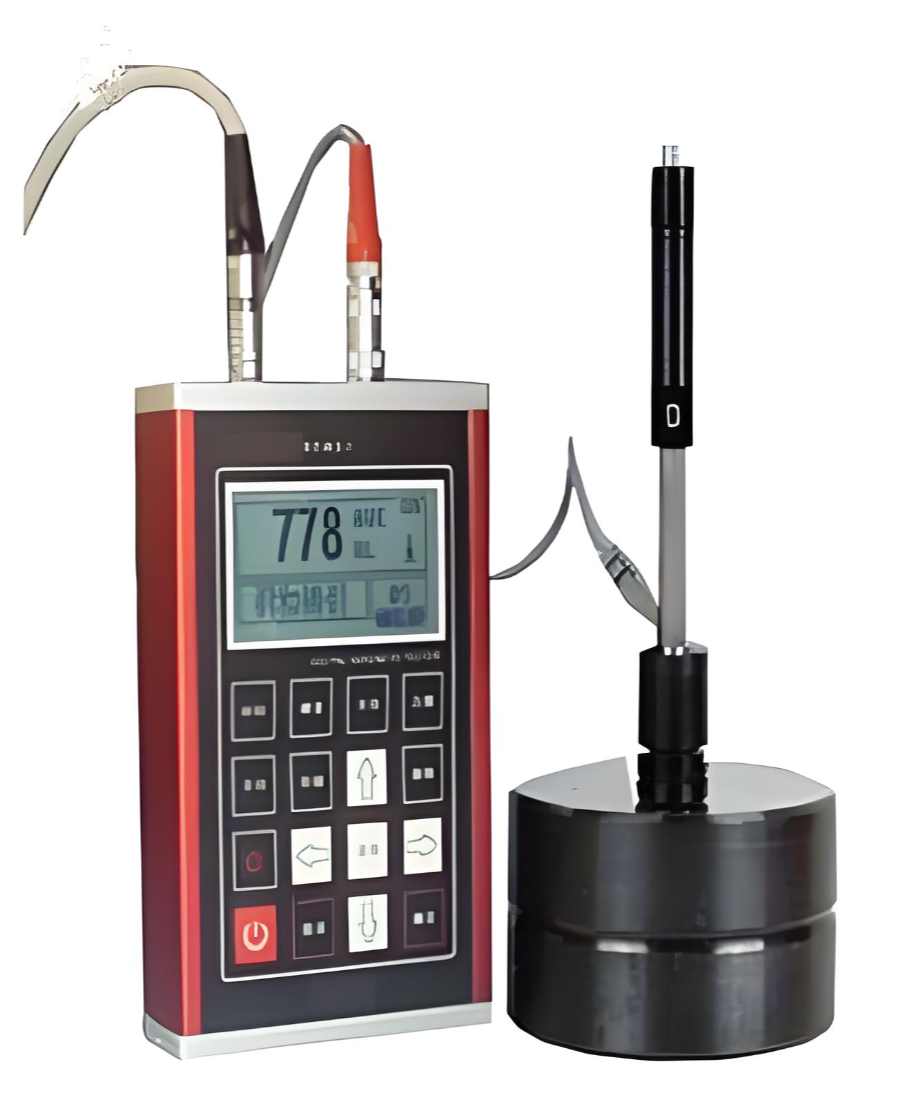
The most significant advantage of the portable Leeb hardness tester is its ability to conduct on-site hardness measurements virtually anywhere. This mobility is invaluable for testing large-scale infrastructure, pipelines, weld seams, pressure vessels, and machinery that cannot be disassembled or transported to a lab. Modern portable units, like those supplied by Skyline International to industries across Vietnam, are lightweight, battery-operated, and designed for ease of use in challenging field conditions. They provide immediate results, enabling rapid decision-making for material verification, incoming inspection, and preventative maintenance schedules. The versatility is enhanced with a range of impact devices (D, DC, G, C-type) suitable for different material types, geometries, and surface conditions. Despite these strengths, portable testers have inherent drawbacks. Their accuracy is more susceptible to operator technique, especially maintaining the correct impact direction. Measurements can be affected by surface roughness, curvature, and sample mass. While excellent for trend analysis and go/no-go testing, they may not achieve the same level of metrological traceability as their laboratory-bound counterparts without meticulous on-site calibration procedures.
Application Needs and Complementary Use
The decision between a laboratory and a portable Leeb hardness tester is not about which is superior, but about which is appropriate for the specific application. A laboratory tester is the definitive choice for high-precision, standardized testing where environmental controls and data integrity are paramount. Conversely, a portable tester is indispensable for field applications where mobility and immediate results are critical. For many comprehensive quality assurance programs, the two types are not mutually exclusive but are used complementarily. For instance, a laboratory tester might be used to create a certified hardness standard for a specific material or component, while portable testers are used on the production floor or in the field to verify that the hardness values remain within the specified range against that standard. Suzhou Xinhe's expertise allows them to guide customers in selecting the right type of Leeb tester—be it a benchtop model for a controlled lab or a rugged portable device for field engineers—ensuring that their investment directly addresses their operational requirements and quality standards.
In summary, both laboratory and portable Leeb hardness testers offer distinct advantages tailored to different testing environments. The laboratory version excels in providing unparalleled precision and stability for critical, controlled applications, while the portable version offers unmatched flexibility for on-site, immediate assessments. Understanding their respective strengths and limitations allows manufacturers to make an informed choice. Suzhou Xinhe Measurement Instrument Co., Ltd. and Skyline International provide both solutions, offering the technical guidance needed to implement an effective hardness testing strategy that leverages the best of both worlds for optimal quality control.