-
06-07 2026
Micro Vickers Hardness Tester RFQ Checklist for QC Labs
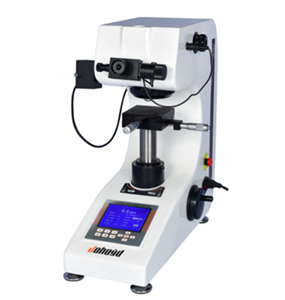
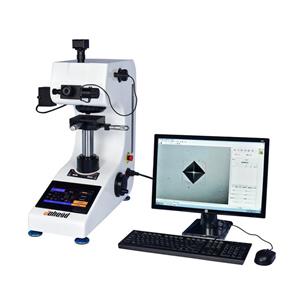
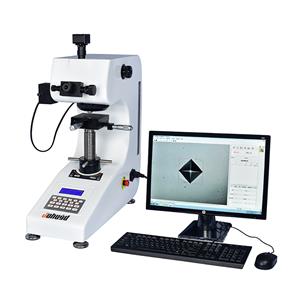
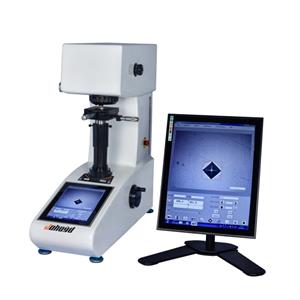
A practical RFQ checklist for QC labs sourcing Micro Vickers hardness testers, automatic hardness testing systems, metallographic preparation equipment and calibration accessories.
-
06-03 2026
Why Hardness Test Results Are Unstable And How To Fix The Testing Process
Unstable hardness test results should be handled as a process problem. The cause may be the sample surface, sample support, selected method, test scale, force, indenter, calibration block, operator procedure, sample preparation, software measurement, or machine condition. A reliable hardness testing workflow should include correct method selection, proper sample preparation, suitable fixtures, certified calibration blocks, inspected indenters, standard operating procedures, and traceable report records. For Vickers, Micro Vickers, and Brinell testing, digital or automatic vision measurement can further reduce human variation. If your QC lab is facing unstable readings, repeated retesting, customer disputes, or unclear hardness reports, a complete process review can help identify the real cause and build a more stable hardness testing system.
-
05-25 2026
Calibration Blocks For Hardness Testers: What Buyers Must Know
Calibration blocks are essential for reliable hardness testing. They help verify machine performance, detect abnormal readings, support daily quality checks, and strengthen customer confidence in test reports. The right block should match the hardness method, scale, value range, and certificate requirement. Buyers should avoid ordering generic “hardness blocks” without confirming the testing method and scale. Rockwell, Brinell, Vickers, Micro Vickers, Barcol, and Shore testing all require suitable references. Using the wrong block can lead to unreliable verification and quality disputes. For a complete QC system, calibration blocks should be purchased together with proper indenters, fixtures, maintenance procedures, operator training, and verification records. This creates a more stable and traceable hardness testing process.
-
05-19 2026
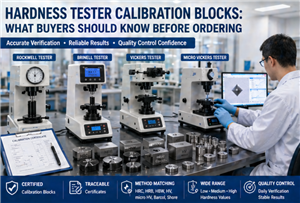
Hardness Tester Calibration Blocks: What Buyers Should Know Before Ordering
Hardness tester calibration blocks are small accessories, but they play a major role in measurement reliability. The right block helps verify tester performance, detect abnormal readings, support daily QC checks, and strengthen customer confidence in test reports. Buyers should confirm the hardness method, scale, value range, certificate, traceability requirement, surface condition, and block quantity before ordering. For laboratories using multiple hardness testers, each method should have suitable reference blocks. A complete hardness testing setup should include not only the machine, but also proper calibration blocks, indenters, fixtures, maintenance tools, software records, and operator procedures. This helps create a more stable and trustworthy quality control system.
-
04-20 2026
Preventive Maintenance Schedule for Your Environmental Test Chamber: Maximizing Uptime and Accuracy
Implementing a disciplined preventive maintenance schedule is not an optional cost but a strategic investment in the reliability and precision of your environmental test chamber. By integrating daily user checks, scheduled professional servicing, and proactive component management, you create a powerful framework that maximizes uptime, ensures data accuracy, and extends the operational life of your equipment. This systematic approach transforms your chamber from a potential source of costly downtime and unreliable data into a dependable pillar of your quality assurance and R&D processes. Partnering with a knowledgeable supplier who provides genuine parts, certified calibration, and expert support is the keystone to a successful PM program, delivering peace of mind and a superior return on your testing investment.
-
04-09 2026
Why More International Buyers Are Paying Attention to Calibration and Traceability in Measuring Equipment
More international buyers are paying attention to calibration and traceability because measurement data now plays a bigger role in product approval, customer trust, audit response, and cost control. In modern procurement, measuring equipment is not judged only by what it can measure, but by how dependable that measurement is over time. Buyers want results they can trust, records they can verify, and systems that support long-term quality stability. That is why calibration and traceability are becoming key decision factors rather than secondary technical details.
-
04-08 2026
How To Compare The Real Overall Strength Of A Measuring Instrument Supplier Beyond Price
Beyond price, the real strength of a measuring instrument supplier lies in technical understanding, product matching, quality control, calibration support, delivery reliability, and long-term service capability. These factors directly affect measurement accuracy, quality stability, audit readiness, and the true cost of ownership. For professional buyers, supplier evaluation is not just about finding a cheaper offer. It is about choosing a partner that can reduce risk, support consistent results, and create more value across the full procurement cycle. In the long run, that is what separates a low-cost purchase from a smart purchasing decision.
-
04-02 2026
How To Judge Whether Measuring Instruments Can Meet The Standards And Certification Requirements Of Export Projects
To judge whether a measuring instrument can meet the standards and certification requirements of an export project, buyers need to verify three things clearly: what standards actually apply, what evidence the supplier can provide, and whether the supplier can support the project professionally from approval to delivery. A measuring instrument that looks technically qualified is not always project-qualified. The real goal is to choose equipment that fits the destination market, satisfies customer expectations, and can be supported with complete, traceable, and professional documentation. In export procurement, that is what turns a quotation into a truly reliable project solution.
-
04-01 2026
Why Calibration Matters In Industrial Measuring Equipment Procurement
Calibration matters in industrial measuring equipment procurement because it directly influences accuracy, traceability, audit readiness, and long-term ownership cost. It protects daily measurement decisions, strengthens customer confidence, and reduces the risk of costly quality mistakes. For serious buyers, calibration should not be treated as an optional add-on. It should be treated as a core factor in supplier evaluation and equipment selection. In modern industrial sourcing, the value of a measuring instrument is not only in what it can measure, but in how confidently its results can be trusted over time.
-
03-09 2026
Comprehensive Guide to Sourcing Equipment via Skyline Vietnam
Sourcing critical equipment via a trusted local partner like Skyline Vietnam is a strategic move that de-risks procurement, unlocks local expertise, and ensures long-term operational reliability. It transcends a simple purchase to become a partnership for continuous productivity, turning complex capital equipment investment into a streamlined, supported, and value-driven process for sustainable growth in the Vietnamese market.